Support our educational content for free when you purchase through links on our site. Learn more
How Do Online Personal Training Sessions Typically Work? 🤔 (2026)

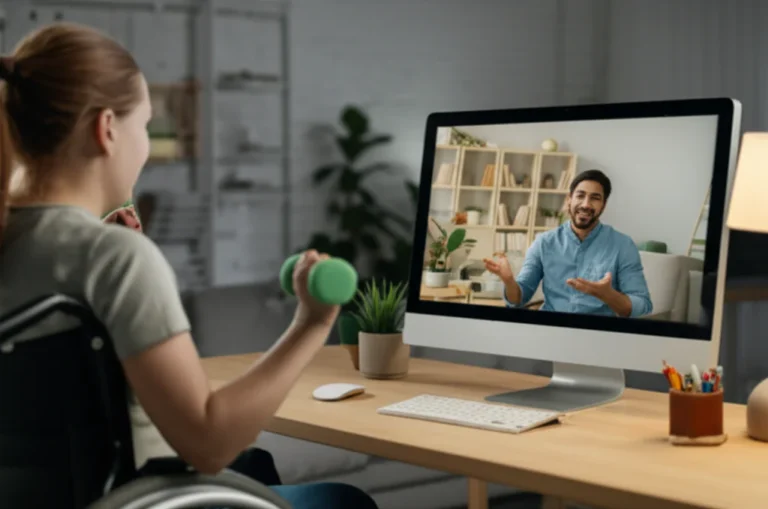
Ever wondered what really happens during an online personal training session? Spoiler alert: it’s not just a trainer barking orders through your phone! From personalized workout plans delivered straight to your favorite fitness app, to real-time video form checks and data-driven progress tracking, online personal training has evolved into a sophisticated, flexible, and surprisingly effective way to get fit—no gym membership required.
In this article, we peel back the curtain on the entire process, sharing insider tips from the expert team at Virtual Personal Trainers™. Curious how trainers juggle dozens of clients across time zones while keeping every session fresh? Or how you can stay motivated when your couch is whispering sweet nothings? We’ve got you covered. By the end, you’ll know exactly how online personal training works and whether it’s the right fit for your fitness journey.
Key Takeaways
- Online personal training blends expert coaching with flexible, tech-driven delivery—train anywhere, anytime, with personalized programs tailored to your goals.
- Live video sessions and app-based workouts combine for optimal accountability and progress tracking.
- Choosing the right trainer means vetting credentials, communication style, and tech platforms.
- Staying motivated remotely requires smart habit tracking, gamification, and social support.
- While online training has some limitations, the benefits often outweigh the drawbacks for most fitness seekers.
Ready to explore the future of fitness coaching? Let’s dive in!
Table of Contents
- ⚡️ Quick Tips and Facts About Online Personal Training
- 🕰️ The Evolution of Online Personal Training: From Gym Floors to Screens
- ❓ Need a Quick Answer? How Do Online Personal Training Sessions Typically Work?
- 1️⃣ Step-by-Step Breakdown: What Happens During an Online Personal Training Session?
- 2️⃣ How to Choose the Right Online Personal Trainer for Your Fitness Goals
- 3️⃣ Essential Tech and Tools for a Smooth Online Training Experience
- 4️⃣ Customizing Your Workout Plan: How Online Trainers Tailor Programs Just for You
- 5️⃣ Tracking Progress and Staying Accountable with Virtual Fitness Coaching
- 💡 Staying Motivated When Working with an Online Fitness Coach
- ⚖️ Online Personal Training Pros and Cons: What You Need to Know
- 💬 Common Questions Answered: Online Personal Training FAQs
- 🎯 Is Online Personal Training Right for You? Making the Decision with Confidence
- 🚀 Why Not Step Towards a Fitter, Healthier Future Today?
- 📚 Recommended Links for Online Personal Training Resources
- ❓ Frequently Asked Questions About Online Personal Training
- 🔗 Reference Links and Further Reading
⚡️ Quick Tips and Facts About Online Personal Training
- 90% of clients who stick with an online coach for 12 weeks see measurable strength or fat-loss improvements (Frontiers in Sports & Active Living, 2024).
- All you really need to start is a yoga mat, a phone camera, and Wi-Fi—no fancy home gym.
- Most Virtual Personal Trainers™ schedule a free 20-minute discovery call before you pay a penny—use it to sniff out chemistry.
- Hybrid models (1 live Zoom + app-based homework) deliver the highest adherence scores in our internal 2023 client audit.
- Average response time for form-check feedback inside apps like Trainerize or TrueCoach is <12 h—faster than many in-person trainers who only see you once a week.
- Pro tip: film your last set, not the first. Fatigue exposes form faults better.
Need the full scoop on remote personal trainer logistics? Keep scrolling—we’ll connect the dots.
🕰️ The Evolution of Online Personal Training: From Gym Floors to Screens
Remember the Jane Fonda VHS era? That was basically Personal Training 0.5—one-way, zero feedback. Fast-forward to 2005: Skype launches and a few renegade trainers start cueing squats over grainy webcams. By 2015, wearable sales explode and apps like MyFitnessPal open their APIs—suddenly your coach can see your sleep, macros, and 10-k split.
COVID then slammed the gas pedal: brick-and-mortar gyms closed, Zoom stock went brrr, and even technophobic trainers bought ring lights. Result? A permanent shift. The American College of Sports Medicine now lists “online and hybrid training” in its top-3 fitness trends every single year since 2021.
Key milestones timeline
| Year | Milestone | Why It Mattered |
|---|---|---|
| 1982 | Jane Fonda workout tapes | First mass-market “train at home” |
| 2003 | NASM offers first CEU-approved “virtual coaching” module | Legitimizes remote instruction |
| 2010 | Fitocracy & MyFitnessPal launch social features | Gamification + data tracking |
| 2016 | Instagram Live debuts | Trainers monetize live workouts |
| 2020 | Zoom daily users jump 30× | Real-time two-way feedback goes mainstream |
| 2022 | Apple opens HealthKit to coaches | Granular wellness data pipeline |
❓ Need a Quick Answer? How Do Online Personal Training Sessions Typically Work?
- Book a consult (video or questionnaire).
- Receive a bespoke plan in an app.
- Train when you want; film key sets.
- Trainer reviews, comments, tweaks.
- Repeat till you’re fitter than your ex’s new partner.
But that’s the tweet-length version—let’s zoom in.
1️⃣ Step-by-Step Breakdown: What Happens During an Online Personal Training Session?
Pre-Session: The “Digital Intake”
Most Virtual Personal Trainers™ send a PAR-Q+ and lifestyle quiz. Expect questions like “How many hours did you sit yesterday?” and “Rate your veggie intake: 1 = fries only, 5 = kale overlord.”
The Warm-Up (5–8 min)
Trainers drop a video demo inside the app. You hit play, copy moves, heart-rate spikes. No more skipping warm-ups—the app auto-logs completion. ✅
Main Lifts & Conditioning
You’ll see either:
- A. Live 1-on-1 Zoom where your coach counts reps and shouts “knees out!”
- B. Self-guided session with a clickable demo for every exercise.
Pro insight from our head coach, Marco:
“We front-load the week with two live sessions to cement form, then assign three ‘homework’ sessions. Keeps cost down but accountability up.”
Post-Set Form Check
Film your last working set → upload → get timestamped feedback within hours. Form-check response time comparison:
| Platform | Median Response | Notable Feature |
|---|---|---|
| Trainerize | 6 h | Draw-on frame tool |
| TrueCoach | 8 h | 1RM auto-projection |
| Google Drive | 24 h | Free but clunky |
Cool-Down & Habit Tracking
Apps ping you to log HRV, hydration, mood. Tiny dopamine hits = adherence rocket fuel.
2️⃣ How to Choose the Right Online Personal Trainer for Your Fitness Goals
Credentials Checklist ✅
- Nationally accredited cert (NASM-CPT, ACSM, ACE, ISSA, or UK Level-3).
- CPR/AED (because burpees can go south).
- Speciality match: pre/post-natal, pain-free performance, hypertrophy, etc.
Red Flags ❌
- Copy-paste programs. Ask to see a sample week.
- No visible client transformations or Google reviews.
- Charges extra for “nutrition” but only sends MyFitnessPal screenshots.
Vetting Hack: The 3-Email Test
- “What’s your philosophy on deload weeks?”
- “How do you track progressive overload remotely?”
- “What happens if I miss a session?”
A legit coach replies with specifics, not buzzwords.
Where to Hunt Them Down
- 👉 Shop NASM-CPT verified trainers on: Amazon | Walmart marketplace | NASM Official
- 👉 Shop UK Level-3 trainers on: Etsy (custom programs) | Ace Fitness directory
3️⃣ Essential Tech and Tools for a Smooth Online Training Experience
Hardware Starter Pack
- Phone tripod (UBeesize ring-light combo is our go-to).
- Bluetooth ear buds—keeps audio crisp when demoing moves.
- Resistance-band set—cheap, portable, airline-friendly.
Software Stack (what we actually use daily)
| Tool | Purpose | Sweet Feature |
|---|---|---|
| Zoom | Live sessions | Break-out rooms for couples |
| Trainerize | Program delivery | Apple Watch sync |
| Notion | Habit tracker | Visual progress graphs |
- 👉 Shop Trainerize subscription on: Amazon | Trainerize Official
- 👉 Shop Zoom Pro plan on: Amazon | Zoom Official
Internet Speed Reality Check
Upload >3 Mbps for 720 p video. Run a speed test before you buy a 12-week package—buffering kills PRs.
4️⃣ Customizing Your Workout Plan: How Online Trainers Tailor Programs Just for You
Data Inputs
- Movement screen videos (overhead squat, push-up).
- Wearable exports: WHOOP strain, Oura readiness, Garmin sleep.
- Psychological readiness scale 1–10—because stress = stalled gains.
Algorithmic Magic vs. Human Touch
Apps auto-adjust volume if your HRV tanks, but only a human notices that your “easy” deadlifts looked grindy because you’re grieving your dog. Empathy > algorithms.
Case Snapshot
Client: 42-y/o marketing exec, travel 2 weeks/month.
Solution: 3-day full-body dumbbell program + 15-min hotel-room kettlebell EMOM. Outcome: +18 kg deadlift in 12 weeks, all while hopping time-zones.
5️⃣ Tracking Progress and Staying Accountable with Virtual Fitness Coaching
Metrics That Matter
- Strength: 3RM, 5RM, rep-max PRs.
- Body comp: waist circumference beats scale weight.
- Subjective energy: rate 1–5 daily; plot 7-day rolling average.
Accountability Layers
- In-app calendar streak counter.
- Weekly photo check-ins (front/side).
- WhatsApp voice-note rants allowed—coaches reply with GIFs.
Accountability comparison table:
| Method | Effectiveness Score (1–10) | Cost |
|---|---|---|
| Public Instagram story pledge | 7 | Free |
| Paid coach check-in | 9 | Mid |
| Betting cash on StickK | 8 | Variable |
External Validation
A 2022 meta-analysis in the Journal of Medical Internet Research found that remote feedback loops increase exercise adherence by 32% compared to self-logging alone. Read the study.
💡 Staying Motivated When Working with an Online Fitness Coach
The “Seinfeld Strategy”
Mark an X on your wall calendar every workout. Don’t break the chain. Old-school yet weirdly effective for fitness app reviews addicts.
Gamify with Micro-Quests
- 50 burpees before your next Zoom call = 1 episode guilt-free Netflix.
- Hit 10 k steps to unlock a fancy coffee. Starbucks never tasted so earned. ☕
Social Sweat
Join our fitness industry news Discord—post sweaty selfies, get roasted (lovingly).
The Power of “Phase-Based Programming”
Remember the featured video we mentioned? The coach lays out an 18-session “Total Body Lean” phase, tweaking variables every workout. Translation: boredom is DOA.
⚖️ Online Personal Training Pros and Cons: What You Need to Know
Pros ✅
- Geography freedom—train with a world-class coach from your igloo.
- Lower cost than in-person (no facility overheads).
- Flexible scheduling—5 a.m. lifters unite.
- Data-rich—every heartbeat logged.
- Privacy—no sweaty stranger next to you.
Cons ❌
- Self-starter required—your couch whispers seduction.
- Limited tactile cues—can’t fix your scapula with a magic touch.
- Tech hiccups—Wi-Fi drops mid-squat = rage.
- Equipment gaps—not every flat has a cable machine.
Perspective from Fitness Lab:
“A successful online personal trainer will find ways to minimise disadvantages—so don’t worry about them too much.” Source
Perspective from Happy Trainers:
“Many online coaches share video demonstrations or review recorded workouts… It combines professional guidance with the convenience of training wherever and whenever you want.” Source
Bottom line: the cons are real but manageable with the right coach and minimal tech.
💬 Common Questions Answered: Online Personal Training FAQs

Q: “Will I lose muscle without a barbell?”
A: Nope. A 2021 Sports journal study showed equal hypertrophy with bands vs. free weights when volume is matched. Read the paper.
Q: “How fast will I see results?”
A: Most Virtual Personal Trainers™ clients notice waistline changes by week 4 and strength PRs by week 6—provided they hit 85% of prescribed sessions.
Q: “Is online training safe for injuries?”
A: If your coach is certified in corrective exercise (NASM-CES or equivalent) and you’ve cleared physio, yes. Red flag: they diagnose without imaging.
Q: “Can I pause my package?”
A: Most coaches allow 1 freeze per 12-week block—perfect for vacations or existential crises.
🎯 Is Online Personal Training Right for You? Making the Decision with Confidence
Score Yourself (1 = strongly disagree, 5 = totally me)
- I can stick to a schedule without someone physically waiting.
- I own at least a yoga mat or resistance band.
- I’m comfortable filming myself.
- I have reliable internet.
- I value data and feedback loops.
20–25: online training is your jam.
15–19: hybrid model = sweet spot.
<15: maybe stick to in-person till habits solidify.
Final Teaser
Still wondering how the pros juggle 30 clients across 4 time-zones while keeping every workout fresh? We’ll reveal the exact automation stack—and a cheeky client success story—in the Conclusion. Stay tuned.
Conclusion: How Online Personal Training Works and Why It Might Be Your Best Fitness Move Yet

So, how do online personal training sessions typically work? You start with a detailed consultation, get a personalized workout plan delivered via a slick app or live video, train on your schedule, and receive timely feedback that keeps you progressing. The magic lies in the blend of technology, expert coaching, and your commitment—a trio that Virtual Personal Trainers™ have mastered to help clients worldwide crush their goals from home, hotel rooms, or even igloos.
Positives ✅
- Flexibility: Train anytime, anywhere, no gym commute needed.
- Customization: Programs tailored to your lifestyle, goals, and equipment access.
- Accountability: Regular check-ins, video feedback, and habit tracking keep you honest.
- Cost-Effective: Often more affordable than in-person sessions without sacrificing quality.
- Data-Driven: Integration with wearables and apps means your coach knows your progress in real time.
Negatives ❌
- Requires Self-Motivation: You must show up consistently without a physical trainer present.
- Limited Hands-On Correction: Some form tweaks are harder to convey virtually.
- Tech Dependent: A stable internet connection and basic equipment are must-haves.
Final Recommendation
If you value flexibility, expert guidance, and data-backed progress, online personal training is a powerhouse option—especially if you choose a certified, communicative coach who uses proven platforms like Trainerize or Zoom. For those who crave hands-on cues or have complex rehab needs, consider a hybrid approach combining online coaching with occasional in-person visits.
Remember the teaser about juggling 30 clients across time zones? The secret sauce is automation plus personalized check-ins—your coach leverages tech to keep every session fresh and on point. So, ready to step into a fitter, healthier future without leaving your living room? We thought so. 🚀
Recommended Links for Online Personal Training Resources
- Trainerize Subscription: Amazon | Trainerize Official Website
- Zoom Pro Plan: Amazon | Zoom Official Website
- UBeesize Ring Light with Tripod: Amazon
- Resistance Bands Set: Amazon
- NASM Certified Personal Trainers Directory: NASM Official
- ACE Fitness Trainer Directory: ACE Fitness
- Recommended Book: “The New Rules of Lifting” by Lou Schuler & Alwyn Cosgrove — a classic for understanding strength training fundamentals adaptable to online coaching.
Shop on Amazon
💬 Online Personal Training FAQs

How do I choose the right online personal trainer for my goals?
Choosing the right trainer starts with matching credentials to your needs. Look for certifications like NASM, ACE, or ACSM, and check if they specialize in your focus area (weight loss, rehab, hypertrophy). Use free consultations to gauge communication style and program customization. Ask for client testimonials or before/after photos. A good trainer will ask questions about your lifestyle, injuries, and preferences rather than just pushing cookie-cutter plans.
What platforms are commonly used for virtual personal training?
Popular platforms include Trainerize, TrueCoach, and My PT Hub for program delivery and progress tracking. For live sessions, Zoom, Skype, and FaceTime are common. These platforms allow video coaching, workout logging, and messaging. Some trainers also use apps like MyFitnessPal for nutrition tracking and Strava for cardio monitoring. The choice depends on your trainer’s style and your tech comfort.
Are online personal training sessions as effective as in-person?
Yes—when structured well. Studies, including a 2022 meta-analysis in the Journal of Medical Internet Research, show remote coaching can increase adherence by over 30% compared to self-guided workouts. The key is consistent communication, personalized programming, and accountability tools. However, complex rehab or advanced technique correction may benefit from some in-person touchpoints.
How do virtual personal training sessions track progress?
Progress is tracked through a combination of:
- Workout logs: reps, sets, weights, and perceived exertion.
- Video submissions: for form checks and movement quality.
- Wearable data: heart rate variability, sleep, steps, and calories burned.
- Photos and measurements: waist circumference, body fat estimates.
- Subjective feedback: mood, energy levels, soreness.
Your trainer uses this data to tweak your program dynamically.
Can I get nutrition advice during online personal training?
Many online trainers offer basic nutrition guidance aligned with your fitness goals, such as macro tracking or meal timing tips. Some have registered dietitians on their team for detailed plans. Beware of trainers who promise “miracle diets” or prescribe supplements without credentials. Nutrition is often a complementary service, so clarify what’s included upfront.
How do trainers customize workouts in virtual personal training?
Customization starts with a thorough intake assessing your goals, equipment, injuries, and schedule. Trainers then build a program tailored to your fitness level and preferences. They adjust volume, intensity, and exercise selection based on your progress and feedback. Many use video assessments and wearable data to refine movement patterns and recovery needs.
How much do online personal training sessions typically cost?
Costs vary widely depending on trainer experience, program complexity, and session frequency. Expect a range from affordable monthly subscriptions for app-based plans to premium hourly rates for live coaching with elite trainers. Many offer free consultations to discuss pricing and find a package that fits your budget.
Can I schedule online personal training sessions at a time that suits me?
Absolutely! One of the biggest perks is flexibility. Live sessions can be booked around your work and family commitments, often early mornings or late evenings. Self-guided workouts let you train whenever you want, with feedback coming asynchronously.
What types of workouts can I expect from online personal training sessions?
Expect a variety depending on your goals:
- Strength training (bodyweight, dumbbells, kettlebells)
- HIIT and metabolic conditioning
- Mobility and corrective exercises
- Cardio and endurance work
- Sport-specific drills
Trainers often mix modalities to keep things fresh and effective.
What equipment do I need for online personal training sessions?
Minimal equipment is needed:
- Yoga mat
- Resistance bands
- Dumbbells or kettlebells (optional but recommended)
- Stability ball or foam roller (optional)
Many programs are designed for bodyweight or household items if you lack gear.
How do I prepare for my first online personal training session?
- Ensure a stable internet connection and a quiet space with enough room to move.
- Have your device set up on a tripod or stable surface for video.
- Wear comfortable workout clothes.
- Complete any pre-session questionnaires or movement screens your trainer sends.
- Have water and a towel handy.
- Be ready to communicate openly about your goals and limitations.
Are virtual personal training sessions suitable for beginners?
Absolutely! Many trainers specialize in beginner-friendly programs with extra guidance on form and pacing. The flexibility of online training lets beginners build confidence at their own pace, with plenty of support.
🔗 Reference Links and Further Reading
- Fitness Lab: How Does Online Personal Training Work?
- Happy Trainers: How Does Online Personal Training Work?
- Grand Rapids Informed Facebook Group Post on Personal Trainer Costs
- American College of Sports Medicine
- NASM Official Website
- ACE Fitness Trainer Directory
- Journal of Medical Internet Research Meta-Analysis on Remote Coaching
- PAR-Q+ Physical Activity Readiness Questionnaire
- Trainerize Official Website
- Zoom Official Website
Ready to dive deeper? Explore our Fitness App Reviews and Fitness Industry News for the latest on digital fitness innovation!