Support our educational content for free when you purchase through links on our site. Learn more
Unlocking Potential: Virtual Fitness Coaching for Special Needs (2026) 💪

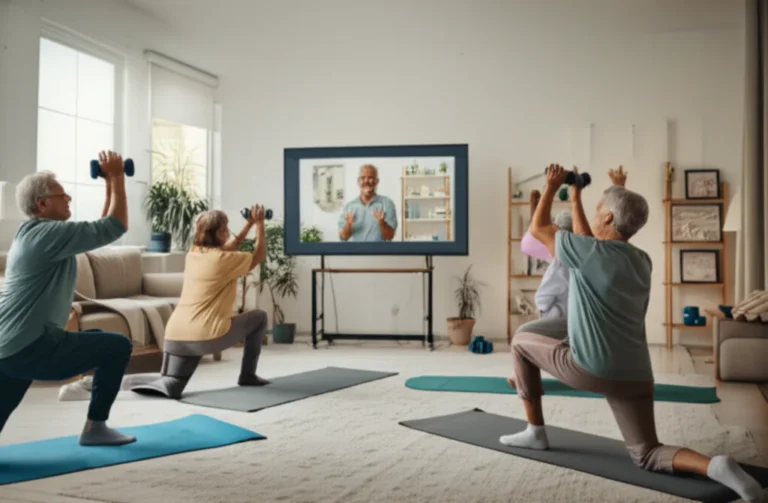
Imagine a world where personalized fitness isn’t limited by geography, mobility, or sensory challenges — where every individual, regardless of ability, can access expert coaching tailored just for them. Welcome to the transformative realm of virtual fitness coaching for special needs. At Virtual Personal Trainers™, we’ve seen firsthand how this innovative approach breaks down barriers, turning living rooms into empowering gyms and sparking confidence in clients of all abilities.
Did you know that over 80% of adults with intellectual disabilities don’t meet recommended physical activity levels? Yet, with the rise of adaptive virtual coaching, this gap is closing fast. In this comprehensive guide, we’ll explore everything from the history and benefits of virtual adaptive fitness to how to find the perfect coach, set up your virtual gym, and even tap into cutting-edge tech like AI and VR. Curious how to make workouts fun, safe, and effective for your unique needs? Keep reading — we’ve got you covered!
Key Takeaways
- Virtual fitness coaching for special needs offers unparalleled accessibility and personalization, empowering individuals to exercise safely from home.
- Specialized trainers use adaptive programming, communication strategies, and caregiver partnerships to maximize engagement and results.
- Technology like Zoom, resistance bands, and wearables enhance the virtual experience, while safety protocols ensure secure sessions.
- Funding options and community resources make adaptive fitness more affordable and inclusive.
- Future innovations like AI and VR promise even more immersive and personalized workouts for special needs clients.
Table of Contents
- ⚡️ Quick Tips and Facts: Your Essential Guide to Virtual Adaptive Fitness
- 🕰️ The Evolution of Accessible Movement: A Brief History of Virtual Fitness for Diverse Abilities
- 🤔 What Exactly IS Virtual Fitness Coaching for Special Needs? Unpacking the Concept
- 🌟 Who Benefits Most? Unlocking Potential for Every Ability
- 1. Neurodevelopmental Conditions: Autism Spectrum Disorder (ASD), ADHD, Down Syndrome
- 2. Physical Disabilities: Cerebral Palsy, Spina Bifida, Amputees, Mobility Impairments
- 3. Sensory Processing Differences & Visual/Hearing Impairments
- 4. Cognitive Impairments & Learning Disabilities
- 5. Chronic Health Conditions & Post-Rehabilitation Support
- 6. Seniors with Age-Related Mobility Challenges
- 🚀 The Game-Changing Advantages: Why Virtual Adaptive Coaching Shines Bright
- 🚧 Navigating the Hurdles: Common Challenges and Our Expert Solutions
- 🔍 Finding Your Perfect Match: How to Choose an Exceptional Virtual Adaptive Coach
- 🛠️ Your Virtual Gym Setup: Essential Technology & Accessible Equipment
- 🤸♀️ Crafting Inclusive Workouts: The Art of Adaptive Exercise Programming
- 🚨 Safety First, Always: Protocols for a Secure Virtual Training Session
- 💰 Funding Your Fitness Journey: Resources and Support for Adaptive Programs
- 🤝 The Power of Partnership: How Parents & Caregivers Can Maximize Virtual Coaching
- 🔮 The Future is Bright: Innovations in Virtual Adaptive Fitness
- ✨ Conclusion: Empowering Every Body, Everywhere
- 🔗 Recommended Links: Dive Deeper into Adaptive Fitness
- ❓ FAQ: Your Most Pressing Questions Answered
- 📚 Reference Links: Our Trusted Sources
⚡️ Quick Tips and Facts: Your Essential Guide to Virtual Adaptive Fitness
Welcome to the world of virtual fitness coaching for special needs — a realm where technology meets compassion, and every body is empowered to move, grow, and thrive! At Virtual Personal Trainers™, we’ve worked with countless clients with diverse abilities, and here are some quick nuggets to get you started:
- ✅ Over 80% of adults with intellectual disabilities engage in less physical activity than recommended (ACE Fitness) — virtual coaching can help close this gap.
- ✅ Virtual coaching removes geographical and transportation barriers, making fitness accessible from home.
- ✅ Adaptive trainers tailor workouts to individual needs, abilities, and preferences, ensuring safety and effectiveness.
- ✅ Communication is key: coaches use creative cues, visuals, and caregiver involvement to maximize engagement.
- ✅ Fun matters! Incorporating play, music, and interactive elements boosts motivation and adherence.
- ✅ Technology essentials include a reliable device (tablet, laptop), stable internet, and simple adaptive equipment like resistance bands or stability balls.
Curious how all this fits together? Stick with us — we’ll unpack everything from the history of adaptive virtual fitness to choosing the perfect coach for your journey.
For a deep dive into the best virtual personal trainers overall, check out our best virtual personal trainer guide.
🕰️ The Evolution of Accessible Movement: A Brief History of Virtual Fitness for Diverse Abilities
The idea of fitness for all isn’t new, but virtual fitness coaching for special needs is a relatively fresh frontier. Here’s a quick timeline:
| Era | Milestone |
|---|---|
| Pre-2000s | Adaptive fitness mostly in-person, limited by location and resources. |
| Early 2000s | Rise of telehealth and online exercise videos — but little specialization for special needs. |
| 2010s | Growth of virtual personal training platforms (e.g., Peloton, Mirror), still mostly general population focused. |
| 2020s | COVID-19 pandemic accelerates virtual fitness adoption; specialized programs for special needs emerge (e.g., Special Strong, WEFIT Specialized Training). |
| Present | Integration of AI, wearables, and VR to enhance adaptive virtual coaching. |
Our trainers remember when working with clients with disabilities meant driving across town or navigating inaccessible gyms. Now, with platforms like Zoom and Google Meet, plus specialized certifications like those from ACE and CertifyStrong, virtual adaptive fitness is booming — making personalized, safe, and fun workouts possible for everyone.
🤔 What Exactly IS Virtual Fitness Coaching for Special Needs? Unpacking the Concept
Beyond the Buzzword: Defining Inclusive Online Exercise
Virtual fitness coaching for special needs is a personalized, remote training service designed to meet the unique physical, cognitive, and emotional needs of individuals with disabilities or developmental differences. It’s not just a Zoom call with generic exercises — it’s a carefully crafted experience that adapts to:
- Mobility limitations
- Sensory sensitivities
- Cognitive processing differences
- Behavioral challenges
- And more
This coaching often includes caregiver involvement, adaptive equipment, and creative communication strategies.
The Role of a Specialized Virtual Adaptive Trainer
A specialized trainer is like a fitness Swiss Army knife — equipped with knowledge of anatomy, disability-specific modifications, motivational psychology, and tech savvy. They:
- Conduct thorough virtual assessments
- Design individualized programs based on client goals and abilities
- Use clear, accessible communication (visual aids, simple language)
- Monitor safety remotely
- Encourage independence and confidence
For example, trainers certified through ACE’s Adaptive Fitness course or CertifyStrong’s Adaptive Special Needs Virtual Trainer program have the skills to deliver these services effectively.
🌟 Who Benefits Most? Unlocking Potential for Every Ability
Virtual adaptive fitness is a game-changer for many populations. Here’s a breakdown:
1. Neurodevelopmental Conditions: Autism Spectrum Disorder (ASD), ADHD, Down Syndrome
- Benefits: Improved motor skills, reduced anxiety, better focus.
- Challenges: Sensory overload, communication barriers.
- Trainer tip: Use short, engaging sessions with clear visual schedules.
2. Physical Disabilities: Cerebral Palsy, Spina Bifida, Amputees, Mobility Impairments
- Benefits: Increased strength, flexibility, and independence.
- Challenges: Balance, coordination, and safety concerns.
- Trainer tip: Emphasize functional movement and adaptive equipment.
3. Sensory Processing Differences & Visual/Hearing Impairments
- Benefits: Sensory integration, improved spatial awareness.
- Challenges: Need for alternative communication methods.
- Trainer tip: Incorporate tactile cues and closed captioning.
4. Cognitive Impairments & Learning Disabilities
- Benefits: Enhanced cognitive function, routine building.
- Challenges: Attention span, understanding instructions.
- Trainer tip: Break exercises into simple steps, repeat often.
5. Chronic Health Conditions & Post-Rehabilitation Support
- Benefits: Improved cardiovascular health, pain management.
- Challenges: Fatigue, medical clearance needed.
- Trainer tip: Collaborate with healthcare providers for safe programming.
6. Seniors with Age-Related Mobility Challenges
- Benefits: Fall prevention, improved balance, social engagement.
- Challenges: Joint pain, slower recovery.
- Trainer tip: Focus on low-impact, balance, and flexibility exercises.
🚀 The Game-Changing Advantages: Why Virtual Adaptive Coaching Shines Bright
Accessibility & Convenience: Breaking Down Geographical Barriers
Virtual coaching means no more stressful commutes or inaccessible gyms. Whether you live in a rural town or a bustling city, your trainer is just a click away. This is especially vital for families juggling caregiving duties or transportation challenges.
Comfort & Familiarity: Exercising in Your Own Safe Space
Clients often feel more relaxed and willing to try new movements when in their own home environment. This comfort can reduce anxiety and improve focus, especially for neurodiverse clients.
Hyper-Personalization: Tailoring Every Rep to Individual Needs
Unlike generic workout videos, virtual adaptive trainers customize every detail — from exercise selection to session length — ensuring safety and progress.
Consistency & Routine: Building Healthy Habits with Ease
Regular sessions scheduled around your life create structure, which is crucial for many clients with special needs.
Empowerment & Independence: Fostering Self-Efficacy
Virtual coaching encourages clients to take ownership of their fitness journey, boosting confidence and autonomy.
🚧 Navigating the Hurdles: Common Challenges and Our Expert Solutions
Tech Troubles? We’ve Got Your Back!
Technology can be a barrier, but with simple setups and patient guidance, most clients adapt quickly. We recommend:
- Using user-friendly platforms like Zoom or Google Meet.
- Having a caregiver assist with device setup.
- Testing connections before sessions.
Motivation & Engagement: Keeping the Spark Alive
Virtual sessions can feel impersonal, so trainers use:
- Interactive games and challenges
- Music and movement breaks
- Positive reinforcement and progress tracking
Safety Concerns: Ensuring a Secure Virtual Workout Environment
Trainers conduct pre-session safety checks, instruct on proper form, and often involve caregivers to monitor during workouts.
Communication Barriers: Bridging the Gap with Clarity
Visual aids, closed captioning, and simple language help overcome communication challenges. Some trainers even use sign language or picture exchange systems.
🔍 Finding Your Perfect Match: How to Choose an Exceptional Virtual Adaptive Coach
Credentials & Certifications: What to Look For (ACE, NASM, ACSM, etc.)
Look for trainers with certifications in adaptive fitness, such as:
- ACE Adaptive Fitness Specialist (ACE course)
- CertifyStrong Adaptive Special Needs Virtual Trainer (CertifyStrong)
- NASM Corrective Exercise or Functional Training certifications
Experience & Specialization: A Track Record That Matters
Ask about their experience working with your specific needs or conditions. Personal stories and case studies can reveal a lot.
Communication Style & Personality: Finding Your Fitness Soulmate
The best trainer for you is one you feel comfortable with — patient, encouraging, and adaptable.
Client Testimonials & Reviews: Real Stories, Real Results
Check reviews on platforms like Google, Facebook, or specialized forums. Look for consistent praise about empathy, professionalism, and results.
🛠️ Your Virtual Gym Setup: Essential Technology & Accessible Equipment
Must-Have Tech: Devices, Internet, and Video Platforms (Zoom, Google Meet)
- Device: Laptop, tablet, or smartphone with camera and microphone.
- Internet: Stable broadband connection (minimum 5 Mbps recommended).
- Platforms: Zoom is popular for its breakout rooms and screen sharing; Google Meet is simple and integrated with Google accounts.
Adaptive Home Equipment: Making Fitness Accessible (Resistance Bands, Stability Balls, Light Weights)
- Resistance bands (TheraBand, Fit Simplify)
- Stability balls (Trideer, URBNFit)
- Light dumbbells or ankle weights
- Balance pads or foam rollers
These are affordable, versatile, and easy to store.
Smart Wearables & Apps: Enhancing the Virtual Experience
- Fitbit, Apple Watch, or Garmin for tracking activity.
- Apps like MyFitnessPal or Strong for logging workouts.
- Some trainers integrate these tools for real-time feedback.
🤸♀️ Crafting Inclusive Workouts: The Art of Adaptive Exercise Programming
The ACE IFT® Model & Beyond: A Framework for Individualized Fitness
The ACE Integrated Fitness Training® (IFT) Model guides trainers to:
- Assess movement and functional capacity
- Build foundational stability and mobility
- Progress to strength and endurance training
- Incorporate behavior change strategies
This model is ideal for adaptive programming because it emphasizes safety and progression.
Movement-Based Approach: Focusing on Functional Strength & Mobility
Exercises mimic real-life movements — sitting, standing, reaching — to improve daily living skills.
Modifications & Progressions: Making Every Exercise Work
Trainers adjust intensity, range of motion, and equipment to meet clients where they are, then gradually increase challenge.
Incorporating Play & Fun: Keeping Engagement High
Using games, music, and interactive challenges turns workouts into joyful experiences, not chores.
🚨 Safety First, Always: Protocols for a Secure Virtual Training Session
Pre-Session Assessments: Health History & Environmental Checks
Trainers collect detailed health info and assess the home workout space for hazards.
Emergency Action Plans: What to Do When Things Go Sideways
Coaches prepare protocols including:
- Contact info for caregivers or emergency services
- Clear instructions for clients and caregivers on stopping exercises if pain or discomfort occurs
Caregiver Involvement: A Crucial Partnership
Caregivers often assist with setup, spotting, and motivation, making sessions safer and more effective.
💰 Funding Your Fitness Journey: Resources and Support for Adaptive Programs
Insurance Coverage & Reimbursement: Navigating the Healthcare Maze
Some health insurance plans cover virtual therapy or fitness coaching under wellness or rehabilitation benefits. Check with your provider.
Grants & Scholarships: Finding Financial Aid for Adaptive Fitness
Organizations like the Christopher & Dana Reeve Foundation and Special Olympics offer grants for adaptive fitness programs.
Community Programs & Non-Profits: Local Support Networks
Many communities have nonprofits offering free or low-cost virtual fitness classes for special needs populations. Examples include:
- YMCA adaptive programs
- Local disability advocacy groups
🤝 The Power of Partnership: How Parents & Caregivers Can Maximize Virtual Coaching
Setting Up for Success: Creating an Optimal Environment
- Quiet, well-lit space free from distractions
- Equipment within reach
- Comfortable clothing and hydration nearby
Active Participation & Reinforcement: Being a Fitness Cheerleader
Caregivers can encourage, demonstrate, and celebrate progress, boosting client morale.
Communicating with Your Coach: The Feedback Loop
Regular updates on progress, challenges, and preferences help trainers fine-tune programs.
🔮 The Future is Bright: Innovations in Virtual Adaptive Fitness
AI & Wearable Tech: Personalized Feedback & Progress Tracking
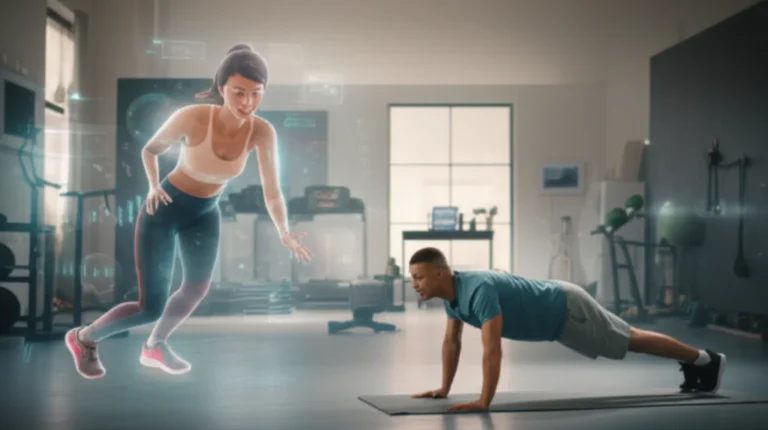
Imagine AI analyzing your movement in real-time, offering corrections and encouragement. Wearables track heart rate, steps, and sleep to optimize training.
Virtual Reality (VR) & Augmented Reality (AR) Workouts
VR environments can simulate real-world scenarios for functional training, making exercise immersive and fun.
Expanding Telehealth Integration: A Holistic Approach
Combining virtual fitness with teletherapy, nutrition coaching, and mental health support creates a comprehensive wellness ecosystem.
Stay tuned for our empowering conclusion and curated resources next! 💪✨
✨ Conclusion: Empowering Every Body, Everywhere
Virtual fitness coaching for special needs is not just a trend — it’s a revolution in accessibility, personalization, and empowerment. From our experience at Virtual Personal Trainers™, we’ve witnessed firsthand how adaptive virtual training transforms lives: boosting confidence, improving physical function, and fostering independence — all from the comfort and safety of home.
The major players like Special Strong, ACE Fitness Adaptive Programs, and CertifyStrong’s Adaptive Virtual Trainer Certification offer comprehensive, expert-led approaches that blend science, empathy, and technology. While challenges like tech glitches or motivation dips exist, the benefits far outweigh them. With the right coach, equipment, and support system, virtual adaptive fitness becomes a joyful, sustainable lifestyle.
If you’re wondering whether virtual coaching can truly meet your or your loved one’s unique needs, the answer is a resounding YES — especially when you partner with certified, experienced trainers who specialize in adaptive programming.
So, why wait? Dive into this accessible fitness frontier and unlock your full potential. Remember, every body deserves to move, thrive, and shine. 🌟
🔗 Recommended Links: Dive Deeper into Adaptive Fitness & Shop Essential Gear
-
Special Strong Adaptive Virtual Fitness Programs:
Special Strong Official Website -
ACE Adaptive Fitness Specialist Course:
ACE Fitness Adaptive Course -
CertifyStrong Adaptive Special Needs Virtual Trainer Certification:
CertifyStrong Adaptive Academy -
Adaptive Equipment on Amazon:
- Resistance Bands: Amazon Resistance Bands
- Stability Balls: Amazon Stability Balls
- Light Dumbbells: Amazon Dumbbells
- Balance Pads: Amazon Balance Pads
-
Recommended Books on Adaptive Fitness & Coaching:
- Adaptive Fitness Training: A Guide for Trainers and Coaches by Anna Woods — Amazon Link
- Inclusive Fitness: Strategies for Special Populations by CertifyStrong Team — Amazon Link
❓ FAQ: Your Most Pressing Questions Answered
What are the benefits of virtual fitness coaching for individuals with special needs?
Virtual fitness coaching offers unmatched accessibility, allowing clients to exercise from home without transportation barriers. It provides personalized programming tailored to unique abilities, improving physical health, motor skills, and mental well-being. The familiar environment reduces anxiety, and consistent sessions build routine and confidence. Studies show increased activity levels and improved quality of life when adaptive fitness is accessible (ACE Fitness).
How do virtual personal trainers customize workouts for special needs clients?
Trainers begin with a comprehensive virtual assessment covering physical abilities, medical history, and personal goals. Using frameworks like the ACE IFT® Model, they design workouts that focus on functional movement, strength, and flexibility, with modifications for safety and comfort. Communication methods are adapted (visual aids, simple cues), and caregivers are often involved to support execution and motivation.
Can virtual fitness coaching improve motor skills in people with disabilities?
Absolutely! Adaptive virtual coaching emphasizes functional, movement-based exercises that enhance coordination, balance, and strength. Regular guided practice helps develop fine and gross motor skills, which translate into improved daily living activities. Trainers track progress and adjust programs to continually challenge and support motor development.
What technology is used in virtual fitness coaching for special needs individuals?
Common tools include:
- Video conferencing platforms: Zoom, Google Meet
- Devices: laptops, tablets, smartphones with cameras and microphones
- Adaptive equipment: resistance bands, stability balls, light weights
- Wearables: Fitbit, Apple Watch for tracking activity and heart rate
- Apps: MyFitnessPal, Strong for logging workouts and progress
These tools enable real-time interaction, feedback, and motivation.
Are there certified virtual personal trainers specializing in special needs fitness?
Yes! Certifications like the ACE Adaptive Fitness Specialist and CertifyStrong Adaptive Special Needs Virtual Trainer equip trainers with the knowledge and skills to safely and effectively coach special needs clients online. These programs cover adaptive exercise programming, communication strategies, and safety protocols.
How does virtual fitness coaching support mental health for special needs clients?
Exercise releases endorphins and reduces stress, anxiety, and depression. Virtual coaching provides social interaction, structure, and a sense of achievement, all of which support mental well-being. Trainers incorporate motivational techniques and encourage caregiver involvement to foster a positive mindset.
What safety measures are taken during virtual fitness sessions for special needs participants?
Safety protocols include:
- Pre-session health and environment assessments
- Clear instructions and demonstrations
- Caregiver presence during workouts when needed
- Emergency action plans and communication channels
- Use of adaptive equipment to reduce injury risk
These measures ensure clients exercise safely while maximizing benefits.
📚 Reference Links: Our Trusted Sources
-
ACE Fitness Adaptive Fitness Course:
https://www.acefitness.org/continuing-education/course/4a5xvwv82/adaptive-fitness-for-clients-with-special-needs/ -
CertifyStrong Adaptive Special Needs Virtual Trainer:
https://www.certifystrong.com/adaptive-academy-membership/virtual-trainer/ -
Special Strong Virtual Fitness Coaching for Special Needs:
https://www.specialstrong.com/adaptive-special-needs-virtual-training/ -
American Council on Exercise (ACE) Official Site:
https://www.acefitness.org -
National Center on Health, Physical Activity and Disability (NCHPAD):
https://www.nchpad.org -
Christopher & Dana Reeve Foundation:
https://www.christopherreeve.org
Ready to start your journey? Remember, the right virtual coach can unlock your potential — wherever you are, whatever your ability. 💪✨