Support our educational content for free when you purchase through links on our site. Learn more
🤔 What Does a Remote Personal Trainer Do? (2026 Guide)


A remote personal trainer acts as your 24/7 digital coach, crafting hyper-personalized workout plans, analyzing your form via video, and providing the relentless accountability needed to crush your goals without ever stepping foot in a gym. If you’ve ever wondered what does a remote personal trainer do, the answer is simple: they bridge the gap between your current habits and your dream physique using data, technology, and human connection.
Imagine this: It’s 7 PM on a Tuesday, you’re exhausted, and your old self would have grabbed the remote. Instead, your phone buzzes. It’s a voice note from your trainer: “Hey, I saw you crushed those squats this morning! Your form on the last set was perfect. Let’s keep that momentum—here’s a 10-minute mobility flow to wind down. You’ve got this!” That is the power of virtual coaching.
Recent studies from the American Council on Exercise suggest that clients with remote coaches are significantly more likely to stick to their programs long-term compared to those going it alone. The secret isn’t just the workout; it’s the continuous feedback loop that keeps you engaged.
Key Takeaways
- ✅ Customization is King: Remote trainers design hyper-personalized plans based on your specific equipment, schedule, and goals, not generic templates.
- ✅ Form Over Speed: They utilize video analysis and live streaming to correct your technique, ensuring safety and maximizing results.
- ✅ Accountability Engine: Expect daily check-ins and real-time motivation that prevents you from skipping workouts or quitting.
- ✅ Holistic Support: Beyond lifting, they guide you on nutrition strategies, recovery protocols, and mindset shifts.
- ✅ Tech-Driven Results: You’ll leverage apps like Trainerize or TrueCoach to track progress, making your fitness journey data-driven and transparent.
Table of Contents
- ⚡️ Quick Tips and Facts
- 🕰️ The Evolution of Remote Personal Training: From Email Check-ins to AI Coaching
- 🤔 What Does a Remote Personal Trainer Actually Do? The Daily Grind Explained
- 📋 7 Core Responsibilities of Your Virtual Fitness Coach
- 1. Crafting Hyper-Personalized Workout Plans for Home Gyms
- 2. Analyzing Form via Video Submission and Live Streaming
- 3. Designing Nutrition Strategies and Macro Tracking
- 4. Providing Real-Time Accountability and Motivation Hacks
- 5. Adjusting Programs Based on Data and Feedback Lops
- 6. Managing Recovery Protocols and Injury Prevention
- 7. Offering 24/7 Support Through Apps and Messaging Platforms
- 🆚 In-Person vs. Online Coaching: Which Path Fits Your Lifestyle?
- 💻 The Tech Stack: Essential Apps and Platforms Used by Remote Trainers
- 💰 Understanding Online Personal Training Costs and Value
- 🧠 How to Find the Right Virtual Trainer for Your Specific Goals
- 🚀 Success Stories: Real Results from Remote Training Clients
- ❓ Frequently Asked Questions About Remote Personal Training
- 🔗 Recommended Links and Tools
- 📚 Reference Links and Sources
- 🏁 Conclusion
⚡️ Quick Tips and Facts
Before we dive into the nitty-gritty of what happens when you hire a remote personal trainer, let’s hit the rewind button on some common misconceptions. You might think virtual training is just a glorified YouTube playlist with a chat box, but it’s so much more.
Here are the facts you need to know right out of the gate:
- ✅ It’s Not Just Video Calls: While live Zoom sessions are popular, the real magic often happens asynchronously. You do the work, send a video, and get detailed feedback later.
- ✅ Tech is Your Gym Buddy: You don’t need a full commercial gym. A set of resistance bands, a yoga mat, and a smartphone are often all that’s required to start.
- ✅ Accountability is the Secret Sauce: Studies show that people are 3x more likely to stick to a fitness plan when they have a dedicated coach checking in. Source: American Council on Exercise
- ❌ It’s Not “Set It and Forget It”: A good remote trainer adjusts your plan weekly based on your feedback, not just a static PDF sent once a month.
- ✅ Nutrition is Included (But with a Caveat): Trainers can guide you on macros and habits, but they cannot prescribe medical diets unless they are also Registered Dietitians.
If you’re wondering how a stranger on the internet can possibly keep you in check, stick around. We’re about to peel back the curtain on the daily grind of your virtual coach. For a deeper dive into the mechanics of this relationship, check out our guide on how to find the right remote personal trainer.
🕰️ The Evolution of Remote Personal Training: From Email Check-ins to AI Coaching
Remember the “dark ages” of fitness? We’re talking about the early 20s when “remote training” meant printing out a PDF, mailing it to your trainer, and waiting three weeks for a reply via snail mail. Okay, maybe it was email, but the lag was real.
Back then, if you wanted a custom plan, you had to be in the same room as the trainer. But the internet changed the game. We moved from static emails to interactive apps, from grainy video calls to AI-driven form analysis.
At Virtual Personal Trainers™, we’ve seen the shift firsthand. We started with simple spreadsheets and evolved into sophisticated platforms that track your heart rate, sleep, and even your mood. The evolution isn’t just about better technology; it’s about better connectivity.
“The goal isn’t just to move your body; it’s to build a sustainable lifestyle that fits your unique schedule.” — A sentiment we hear from our top virtual coaches.
The industry has exploded, moving from a niche service for busy executives to a mainstream option for everyone from new moms to elite athletes. But with this explosion comes a question: Does the quality of coaching suffer when you remove the physical presence? The answer lies in the next section, where we dissect the actual daily tasks of a remote pro.
🤔 What Does a Remote Personal Trainer Actually Do? The Daily Grind Explained
So, you’ve signed up. You’ve paid the fee. Now what? Does your trainer just send you a generic “Go run 5 miles” text and call it a day? Absolutely not.
A remote personal trainer is a hybrid of a programer, a psychologist, a data analyst, and a cheerleader. Their day doesn’t start with a gym bag; it starts with a dashboard.
The Morning Rush: Data Review
Before the sun is fully up, your trainer is likely reviewing your data from the night before. Did you sleep 8 hours? Did you hit your protein goal? Did you complete that set of squats you promised? They are looking for patterns. If you missed three days in a row, they aren’t judging; they are troubleshooting.
The Mid-Day Huddle: Communication
This is where the magic happens. Your trainer might be replying to 20 different clients via an app like Trainerize or TrueCoach. They are:
- Answering questions like, “Can I do this exercise with a dumbell instead of a kettlebell?”
- Reviewing video submissions of your deadlift form.
- Adjusting tomorrow’s workout because you mentioned you have a stiff knee today.
The Evening Wrap: Planning
While you’re winding down, your trainer is building your next week’s schedule. They are ensuring progressive overload (making things harder over time) without burning you out.
But how does this differ from the old-school in-person model? Let’s break it down.
📋 7 Core Responsibilities of Your Virtual Fitness Coach
If you were to list the duties of a remote trainer on a napkin, it might look short. But in reality, these responsibilities are deep, complex, and highly personalized. Here are the 7 core pillars that define a successful virtual training relationship.
1. Crafting Hyper-Personalized Workout Plans for Home Gyms
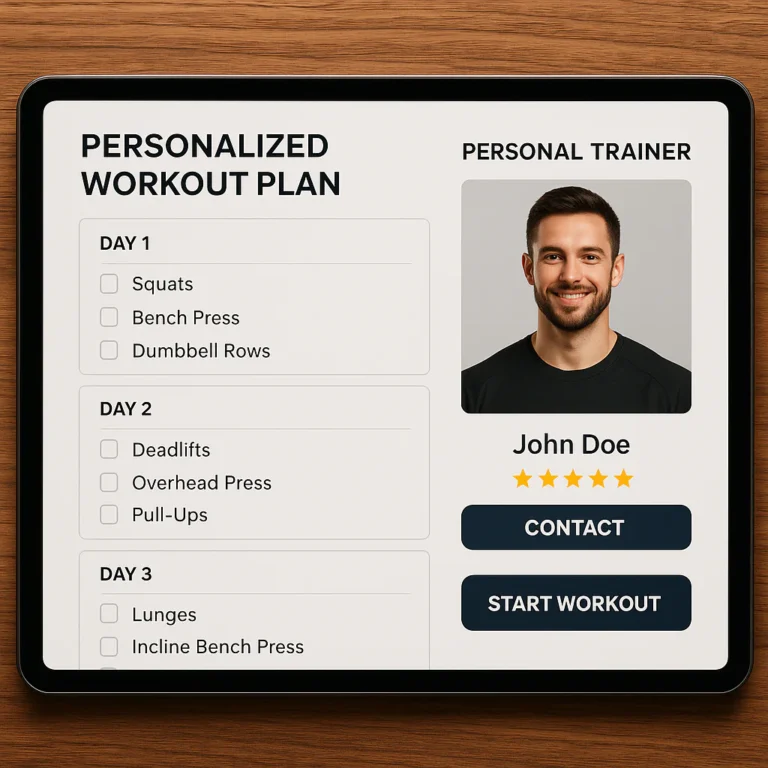
Forget the “one-size-fits-all” PDF. A remote trainer builds a plan based on your equipment, your schedule, and your goals.
- The Process: They ask, “Do you have a pull-up bar? A set of dumbells? Just your body weight?”
- The Output: A dynamic plan that adapts. If you’re traveling, they swap the gym leg press for a single-leg glute bridge you can do in a hotel room.
- Real-World Example: Using Fitbod or Strong app integration to ensure the exercises match your available gear.
2. Analyzing Form via Video Submission and Live Streaming
This is the biggest fear for beginners: “Will I hurt myself?”
- Asynchronous: You record a video of your squat, upload it, and the trainer draws on the video (using tools like Coach’s Eye or Hudl Technique) to show you exactly where your knees are caving in.
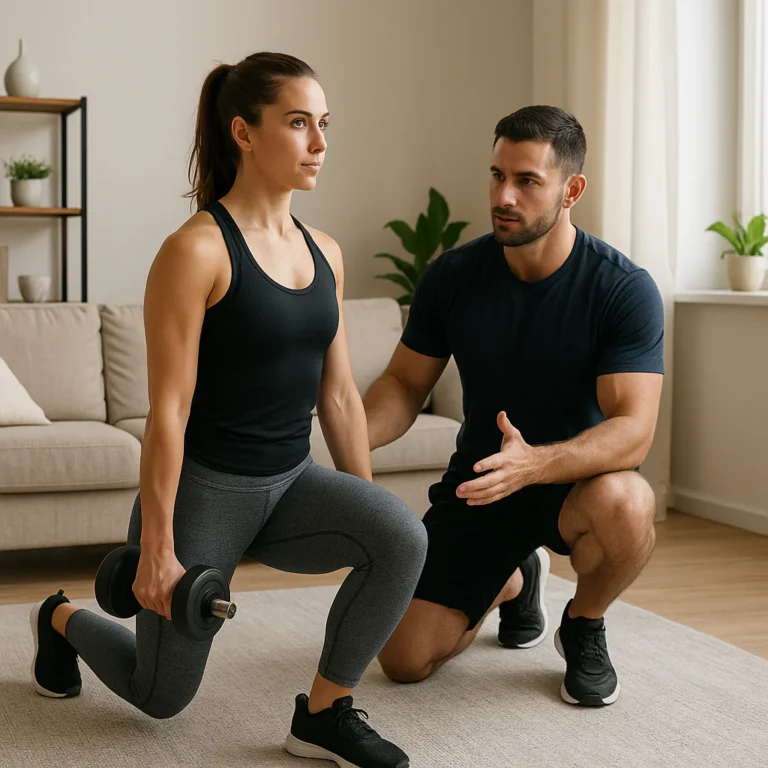
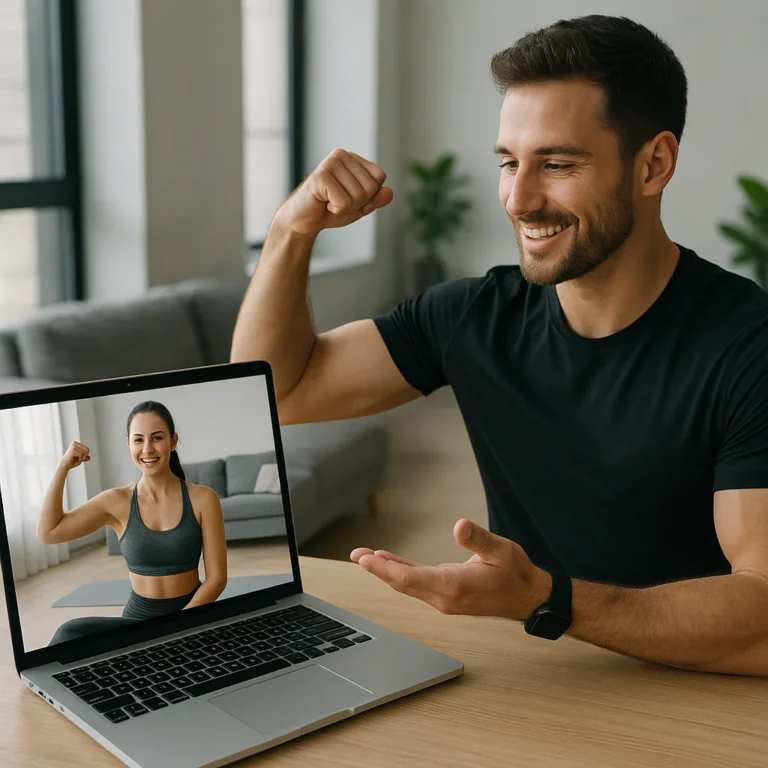
- Synchronous: During a live Zoom session, they act as your eyes, shouting cues like “Chest up!” or “Drive through your heels!” in real-time.
3. Designing Nutrition Strategies and Macro Tracking
Note: We are not doctors, but we are experts in fueling.
Trainers help you understand macronutrients (protein, carbs, fats) and how they affect your energy.
- The Approach: Instead of a restrictive diet, they focus on habit formation. “Let’s add a serving of protein to your breakfast” rather than “Don’t eat carbs.”
- Tools: Many use MyFitnessPal or Cronometer to track your intake and spot trends.
4. Providing Real-Time Accountability and Motivation Hacks
Motivation is fleeting; discipline is built.
- The Nudge: A simple “How’s that workout looking?” text at 6 PM can be the difference between skipping the gym and crushing it.
- The Psychology: They know when you need a pep talk and when you need a reality check. They celebrate your small wins (like drinking more water) to build momentum.
5. Adjusting Programs Based on Data and Feedback Lops
Your body changes, and so should your plan.
- The Feedback Loop: You report soreness, fatigue, or boredom. The trainer adjusts the volume or intensity immediately.
- The Science: This is based on periodization, ensuring you don’t plateau. If you’ve been doing the same workout for 4 weeks, it’s time to switch it up.
6. Managing Recovery Protocols and Injury Prevention
Training is only half the battle; recovery is the other half.
- The Plan: They prescribe mobility work, foam rolling routines, and rest days.
- The Warning Signs: If you mention pain, they know when to tell you to stop and see a physical therapist. They don’t push through injury; they modify to prevent it.
7. Offering 24/7 Support Through Apps and Messaging Platforms
You don’t train 9-to-5, and neither do they.
- Accessibility: Most remote trainers offer messaging support via apps like WhatsApp, Slack, or dedicated coaching platforms.
- The Benefit: Got a question at 10 PM? You can ask. They might not reply instantly, but they will get back to you, ensuring you never feel stuck.
🆚 In-Person vs. Online Coaching: Which Path Fits Your Lifestyle?
We’ve all been there: staring at the gym door, wondering if we should pay for a trainer to stand next to us or hire one to text us. Let’s settle this debate once and for all.
| Feature | In-Person Training | Remote/Virtual Training |
|---|---|---|
| Form Correction | Immediate & Physical: Trainer can touch and adjust you. | Visual & Verbal: Trainer uses video analysis and cues. |
| Convenience | Low: Must travel to the gym at a specific time. | High: Train anywhere, anytime, on your schedule. |
| Cost | High: Includes facility fees and travel time. | Moderate: Usually 30-50% less than in-person rates. |
| Accountability | External: You have to show up physically. | Internal & Digital: Apps track your consistency. |
| Equipment | Full Access: Commercial gym machines available. | Limited: Depends on what you own (or can buy). |
| Social Aspect | High: Face-to-face interaction. | Variable: Can be lonely or highly connected via chat. |
The Verdict?
If you are a complete beginner with zero confidence in your form, in-person might be the best start for a few weeks. But if you have a busy schedule, travel often, or just hate the commute, remote training is the superior choice for long-term consistency.
“The best trainer is the one you actually stick with.” — Virtual Personal Trainers™ Team
💻 The Tech Stack: Essential Apps and Platforms Used by Remote Trainers
You might think you need a supercomputer, but the tech stack is surprisingly user-friendly. Here’s what powers the remote training revolution.
Coaching Platforms
These are the “operating systems” for your training.
- Trainerize: The industry giant. Allows for custom workout building, video analysis, and nutrition tracking.
- TrueCoach: Known for its clean interface and great client communication tools.
- Everfit: A favorite for trainers who want to bundle nutrition and coaching in one place.
Video Analysis Tools
- Hudl Technique: Slow down your form frame-by-frame.
- Coach’s Eye: Add voiceovers and drawings to your client’s videos.
Wearables & Tracking
- Whop / Oura Ring: Trainers use this data to monitor your readiness and recovery. If your HRV (Heart Rate Variability) is low, they might dial back the intensity.
- Apple Watch / Garmin: For tracking heart rate zones during live sessions.
Pro Tip: Don’t let the tech overwhelm you. A good trainer will walk you through setting up these apps on your first day.
💰 Understanding Online Personal Training Costs and Value
Let’s talk money. How much does it cost to hire a remote personal trainer?
While prices vary wildly based on the trainer’s experience and the level of service, here is a general breakdown of what you can expect. Note that these are estimates and not fixed prices.
- Entry-Level / Group Coaching: $50 – $10 per month. You get a generic plan and monthly check-ins.
- Mid-Tier / 1-on-1 Remote: $150 – $30 per month. Includes custom plans, weekly check-ins, and video form analysis.
- Premium / High-Touch: $40+ per month. Includes daily messaging, nutrition coaching, and live video sessions.
Is it worth it?
Compare this to in-person training, which can easily run $60-$10 per session. If you train 3 times a week, that’s $720+ a month. Remote training often offers better value because you get more frequent contact (daily texts vs. weekly sessions) for a fraction of the price.
Did you know? Some gyms like Healthworks Fitness offer “Remote Pilates Express” sessions, but these are often billed per session rather than as a comprehensive monthly package. Always ask what’s included!
🧠 How to Find the Right Virtual Trainer for Your Specific Goals
Not all trainers are created equal. Finding the right fit is like dating; you need to check for compatibility.
1. Check Their Certifications
Look for NCCA-acredited certifications. The gold standards include:
- NSCA-CSCS (Certified Strength and Conditioning Specialist)
- ACE-CPT (American Council on Exercise)
- NASM-CPT (National Academy of Sports Medicine)
- ACSM-CPT (American College of Sports Medicine)
2. Define Your Niche
Do you need a specialist?
- Post-Rehab: Look for trainers with a background in physical therapy or corrective exercise.
- Weight Loss: Look for those who specialize in nutrition and habit change.
- Athletic Performance: Look for CSCS certified trainers.
3. Ask the Right Questions
- “How often do you check in?”
- “Do you provide video analysis?”
- “What is your philosophy on nutrition?”
- “Can I see a sample of a client’s progress?”
4. Read Reviews and Testimonials
Check their social media or Google reviews. Look for real stories of people with goals similar to yours.
🚀 Success Stories: Real Results from Remote Training Clients
Still skeptical? Let’s look at the evidence.
Case Study: Sarah, The Busy Mom
- Goal: Lose 20 lbs and regain core strength after pregnancy.
- Challenge: No time to go to the gym; kids at home.
- Solution: A 20-minute home workout plan using bodyweight and resistance bands.
- Result: In 6 months, Sarah lost 2 lbs and reported feeling “stronger than ever.” She credited the daily accountability from her trainer for keeping her on track.
Case Study: Mike, The Traveling Executive
- Goal: Maintain muscle mass while traveling 3 weeks a month.
- Challenge: Inconsistent schedule and limited hotel gym equipment.
- Solution: A “travel-friendly” program that required only a pull-up bar and resistance bands.
- Result: Mike maintained his strength levels and even added 5 lbs of muscle, proving you don’t need a gym to get results.
These stories aren’t anomalies. They are the norm when you have the right strategy and support.
❓ Frequently Asked Questions About Remote Personal Training
How do I find and choose a qualified remote personal trainer that suits my needs?
Start by identifying your specific goals (weight loss, strength, mobility). Then, search for trainers who specialize in that area. Check their certifications (ACE, NASM, NSCA) and read client testimonials. Don’t be afraid to ask for a free consultation to see if your personalities click.
Can a remote personal trainer help me achieve my fitness goals?
Absolutely. In fact, many clients achieve their goals faster with remote training because of the daily accountability and customized programming that fits their lifestyle. The key is consistency and communication.
What types of workouts can I expect from a virtual personal trainer?
Workouts are tailored to your equipment and goals. You might get:
- HIT (High-Intensity Interval Training) for fat loss.
- Strength Training with dumbells or bands.
- Mobility and Yoga flows for flexibility.
- Cardio sessions using running, cycling, or jumping rope.
How does online personal training work and what equipment is needed?
You sign up, fill out a questionnaire, and receive a custom plan via an app. You perform the workouts, often recording videos form checks. Equipment varies: some plans need nothing but your body, while others might require dumbells, resistance bands, or a pull-up bar.
What are the benefits of hiring a remote personal trainer?
- Flexibility: Train anytime, anywhere.
- Cost-Effective: Often cheaper than in-person sessions.
- Personalization: Plans adapt to your life, not the other way around.
- Accountability: Daily check-ins keep you on track.
What are the duties of a personal trainer?
Whether remote or in-person, duties include assessing fitness levels, designing programs, monitoring progress, providing motivation, and ensuring safety. Remote trainers add digital communication and video analysis to this list.
What does virtual personal training look like?
It looks like you working out in your living room, hotel room, or park while your coach watches via video or reviews your submission later. It involves messaging, video calls, and app-based tracking.
What to expect from a virtual personal trainer?
Expect a personalized plan, regular feedback, nutrition guidance, and emotional support. You should feel heard and challenged, but never overwhelmed.
How much does a remote personal trainer cost?
Prices range from $50 to $40+ per month, depending on the level of service. Group coaching is cheaper, while 1-on-1 high-touch coaching is more expensive.
What equipment do I need for virtual personal training?
It depends on the plan. Many trainers design programs for no equipment. Others might ask for a set of dumbells, resistance bands, or a yoga mat.
Can a remote personal trainer create a nutrition plan?
Yes, but with limits. They can create macronutrient-based plans and offer habit-based advice. However, they cannot prescribe medical diets or treat eating disorders unless they are also Registered Dietitians.
How effective is online personal training compared to in-person?
Studies show that online training is just as effective for weight loss and strength gains, provided the client is self-motivated and the trainer is responsive. The convenience often leads to better long-term adherence.
What platforms are best for virtual training sessions?
Popular platforms include Trainerize, TrueCoach, Zoom (for live sessions), and Hudl Technique (for form analysis).
How do remote personal trainers track my progress?
They use apps to track workout completion, weight, measurements, and photos. Some also integrate with wearables to monitor heart rate and sleep.
Can I hire a remote personal trainer if I have no gym access?
Yes! In fact, many remote trainers specialize in home workouts using minimal equipment. Your lack of a gym is not a barrier; it’s just a variable they will account for in your plan.
Conclusion

So, what does a remote personal trainer actually do? They are your architect, your coach, and your cherleader, all rolled into one digital package. They don’t just hand you a plan and walk away; they build a living, breathing program that evolves with you.
From analyzing your squat form via video to tweaking your macros based on your energy levels, the remote trainer’s role is dynamic and deeply personal. The old myth that you need a trainer standing next to you to get results has been debunked. With the right tech, the right mindset, and the right coach, you can achieve elite-level results from the comfort of your living room.
The Verdict: If you value flexibility, cost-efficiency, and personalized attention, remote personal training is not just an option; it’s the future of fitness. Don’t let the lack of a physical presence fool you—the connection is real, and the results are undeniable.
Ready to take the leap? Find a trainer who fits your vibe, download the app, and let’s get moving. Your future self will thank you.
🔗 Recommended Links and Tools
Ready to get started? Here are some of our top picks for gear and resources to support your remote training journey.
👉 Shop Home Gym Essentials on:
- Resistance Bands: Amazon | Walmart | Theraband Official
- Adjustable Dumbells: Amazon | Rogue Fitness
- Yoga Mats: Amazon | Manduka Official
Recommended Books:
- The New Rules of Lifting by Lou Schuler and Alwyn Cosgrove: Amazon
- Atomic Habits by James Clear (for mindset): Amazon
Explore More on Virtual Personal Trainers™:
📚 Reference Links and Sources
- American Council on Exercise (ACE): ACE Fitness Research
- National Strength and Conditioning Association (NSCA): NSCA Certification
- Simple Solutions Fitness: What Do Personal Trainers Do?
- Healthworks Fitness: Paid in Full Personal Training Rates
- Precision Nutrition: Nutrition Coaching Guidelines
- Trainerize: Trainerize Platform
- TrueCoach: TrueCoach Platform