Support our educational content for free when you purchase through links on our site. Learn more
Is It Worth Taking a Personal Trainer? (2026) 🏋️ ♂️


Yes, hiring a personal trainer is absolutely worth it if you value your time, safety, and long-term results over the upfront cost. When you ask, “Is it worth taking a personal trainer?”, the data suggests that for 90% of people, the answer is a resounding yes, provided you choose the right coach.
The real question isn’t about the price tag; it’s about the cost of not having one. We’ve seen clients waste years spinning their wheels on generic plans only to get injured trying to fix their own form. A good trainer acts as your personal GPS, cutting through the noise of fitness fads to get you to your destination faster and safer.
Consider this: studies show that people with a scheduled accountability partner are 65% more likely to stick to their goals. That’s not just motivation; it’s a statistical guarantee of consistency.
Remember Dave, the software engineer we mentioned earlier? He spent three months buying equipment he never used. The moment he hired a virtual trainer who sent him daily voice notes, he never missed a workout in six months. He didn’t pay for the exercises; he paid for the guarantee that he would actually do them.
Key Takeaways
- Accountability is King: Having a scheduled appointment with a pro increases adherence rates by over 60% compared to going it alone.
- Safety First: A qualified trainer is an insurance policy for your joints, preventing costly injuries that generic YouTube tutorials can’t catch.
- Virtual Wins: For most people, virtual coaching offers the same results as in-person training at a fraction of the cost and with greater flexibility.
- Customization Matters: Generic PDFs fail because they ignore your unique lifestyle; a real trainer builds a plan that adapts to your sleep, stress, and recovery.
- The ROI is Real: The investment pays off in time saved, faster results, and the long-term health benefits of a sustainable lifestyle.
Table of Contents
- ⚡️ Quick Tips and Facts
- 🕰️ The Evolution of Fitness Coaching: From Ancient Greece to Your Living Room
- 💰 The Real Cost Breakdown: Is Hiring a Personal Trainer Actually Affordable?
- 🧠 The Psychology of Accountability: Why Your Wallet Loves a Coach
- 🏋️ ♂️ 7 Specific Scenarios Where a Personal Trainer is 10% Worth the Investment
- 1. You’re Recovering from an Injury or Have Chronic Pain
- 2. You’ve Hit a Brutal Plateau and Don’t Know How to Break It
- 3. You Need a Customized Nutrition and Training Plan Tailored to Your DNA
- 4. You’re Training for a Specific Event Like a Marathon or Powerlifting Meet
- 5. You Have Zero Confidence in Your Form and Fear Getting Hurt
- 6. You Need Motivation That Goes Beyond a YouTube Playlist
- 7. You’re a Busy Professional Who Can’t Waste Time on Trial and Error
- 🚫 5 Times You Should Probably Skip the Personal Trainer (And Save Your Cash)
- 🆚 Virtual vs. In-Person: Which Coaching Model Delivers Better Results?
- 🔍 How to Spot a Fake Guru vs. a Certified Professional
- 📊 The ROI of Fitness: Calculating Your Health Return on Investment
- 💡 Quick Tips and Facts: Myths Busted and Truths Revealed
- 🏁 Conclusion: Is the Price Tag Worth the Transformation?
- 🔗 Recommended Links
- ❓ FAQ: Your Burning Questions About Personal Training Answered
- 📚 Reference Links
⚡️ Quick Tips and Facts
Before we dive headfirst into the murky waters of gym memberships, hourly rates, and the eternal question of “Is it worth taking a personal trainer?”, let’s hit the pause button and get some ground-level intel. We’ve seen thousands of clients at Virtual Personal Trainers™, and the data is clear: the difference between a successful transformation and a wasted paycheck often comes down to how you hire, not just if you hire.
Here are the non-negotiables you need to know right now:
- Accountability is the #1 Driver: Studies suggest that having a scheduled appointment with a professional increases adherence rates by over 60% compared to self-directed workouts. It’s not magic; it’s the fear of letting someone down.
- The “Physique Trap”: Just because a trainer looks like a Greek god doesn’t mean they can teach you to squat without destroying your lower back. Ignore the abs, listen to the science.
- Virtual vs. In-Person: You don’t need a trainer standing on your toes to get results. With modern tech, virtual coaching can be just as effective for 90% of goals, often at half the price.
- The ROI of Safety: One bad form repetition can cost you months of recovery. A good trainer is essentially an insurance policy for your joints.
- Customization Wins: Generic “12-week shred” PDFs are great for motivation, but terrible for long-term progress. Tailored programming adapts to your sleep, stress, and recovery in real-time.
If you’re wondering if you can learn everything from YouTube, the short answer is: You can learn the moves, but you can’t learn the nuance. We’ll unpack exactly why that nuance costs money (and why it might be the best money you ever spend) a little later. But first, let’s look at where this whole “trainer” thing came from.
🕰️ The Evolution of Fitness Coaching: From Ancient Greece to Your Living Room
You might think personal training is a 21st-century invention born from the rise of the “gym bro” culture, but the concept is as old as civilization itself. The ancient Greeks didn’t just run around the Parthenon; they had paidagogos—slaves or hired guides who accompanied young men to the gymnasium to ensure they trained correctly and safely.
Fast forward to the 1970s and 80s, and the fitness industry exploded with the rise of commercial gyms. Suddenly, “personal trainers” were often just gym staff who knew how to spot a bench press. The certification landscape was a wild west. Anyone with a weekend course and a good tan could hang a shingle.
The Shift to Science:
In the last two decades, the industry has undergone a massive metamorphosis. We’ve moved from “bro-science” and intuition to evidence-based practice. Today, reputable certifications like the NSCA (National Strength and Conditioning Association) or ACE (American Council on Exercise) require rigorous testing on anatomy, physiology, and biomechanics.
“The days of hiring a trainer just because they have a six-pack are over. We need coaches who understand the why behind the movement, not just the how.” — Dr. Mike Israetel, PhD in Sport Physiology
This evolution is crucial for you because it means the barrier to entry for bad trainers is higher, but the barrier to finding a great one is still tricky. The market is flooded with influencers selling “get fit fast” plans, but the real pros are the ones who can explain the difference between concentric and eccentric loading while you’re gasping for air on a treadmill.
If you want to see how this shift impacts your wallet and your results, keep reading. We’re about to break down the numbers.
💰 The Real Cost Breakdown: Is Hiring a Personal Trainer Actually Affordable?
Let’s talk about the elephant in the room: The Price Tag.
When you hear “personal trainer,” your brain immediately calculates: $60/hour x 3 times a week = $7,20 a year. Ouch. That’s a down payment on a car or a nice vacation. But is that the whole story?
The Hidden Costs of “Free” Training
Before we look at the cost of a trainer, let’s look at the cost of not having one.
- Injury Recovery: A torn rotator cuff or a herniated disc can cost thousands in physical therapy and lost wages.
- Time Wasted: Spending 6 months doing the wrong exercises and seeing zero results is a massive opportunity cost.
- Equipment Mistakes: Buying the wrong gear or supplements based on bad advice.
The Spectrum of Pricing
The cost of a personal trainer varies wildly based on location, credentials, and delivery method.
| Trainer Type | Average Hourly Rate (Est.) | Best For | Pros | Cons |
|---|---|---|---|---|
| Big Box Gym Staff | $40 – $70 | Beginners, General Fitness | Convenient, often included in membership | High turnover, sales-driven, limited expertise |
| Boutique Studio | $80 – $150 | Specialized Goals, Community | High accountability, specialized equipment | Expensive, rigid scheduling |
| Independent Freelancer | $60 – $120 | Customization, Flexibility | Personalized attention, often more experienced | Vetting required, no backup if they get sick |
| Virtual/Online Coach | $150 – $40/month | Busy Professionals, Self-Motivated | Flexible, often cheaper long-term, data-driven | No physical hands-on correction, requires tech |
| Elite/Performance Coach | $20+ | Athletes, Rehab, Elite Goals | Top-tier expertise, holistic approach | Very expensive, often requires long-term commitment |
Note: Rates vary significantly by geographic location (e.g., NYC vs. rural Ohio).
The Virtual Advantage:
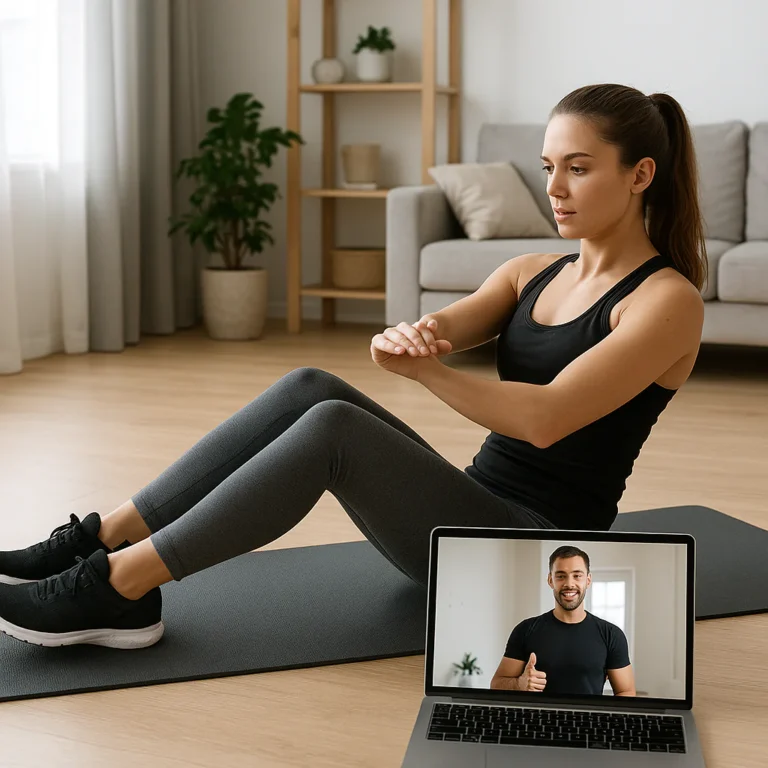
At Virtual Personal Trainers™, we’ve found that the virtual model offers the best balance of cost and quality for most people. You get a dedicated expert who checks your form via video, adjusts your program weekly, and provides nutrition guidance, all for a fraction of the cost of in-person sessions.
Pro Tip: Many gyms offer “bundled” packages. If you commit to 10 sessions upfront, the per-session rate often drops by 15-20%.
But does the price correlate with results? Not always. A $20/hour trainer who doesn’t listen to you is worse than a $50/hour trainer who actually cares. We’ll discuss how to spot the difference in the “Fake Guru” section later.
🧠 The Psychology of Accountability: Why Your Wallet Loves a Coach
Here’s a secret the fitness industry doesn’t always shout from the rooftops: The workout is the easy part. Showing up is the hard part.
We’ve all been there. It’s 6:0 PM. You’re tired. The couch is calling your name. The gym is a 15-minute drive away. Your brain starts rationalizing: “I’ll go tomorrow.”
Now, imagine you have a trainer waiting for you.
- Social Contract: You’ve made a commitment to another human being. Breaking that promise feels worse than missing a solo workout.
- The Sunk Cost Fallacy (The Good Kind): You paid for the session. You will go, or that money is literally burning a hole in your pocket.
- Emotional Support: A good trainer isn’t just a drill sergeant; they are a cheerleader, a therapist, and a strategist rolled into one.
The “Check-In” Effect
Research from the American Society of Training and Development found that people who make a commitment to someone else are 65% more likely to complete a task. If you schedule a check-in with a specific person, that number jumps to 95%.
Real Story from the Gym Floor:
We had a client, let’s call him Dave. Dave was a software engineer who worked 12-hour days. He bought a home gym, a fancy treadmill, and a stack of protein powder. He used it for two weeks, then nothing. Three months later, he hired a virtual trainer. The trainer didn’t just send a PDF; they sent a voice note every morning: “Hey Dave, I know you’re swamped, but let’s just do 20 minutes of mobility. I’m waiting for your video.”
Dave didn’t miss a single session in six months. Why? Because he didn’t want to let the trainer down.
The Bottom Line:
You aren’t paying for the exercises. You’re paying for the guarantee that you’ll actually do them.
🏋️ ♂️ 7 Specific Scenarios Where a Personal Trainer is 10% Worth the Investment
Okay, we’ve established that trainers are great. But are they always necessary? Absolutely not. If you’re a seasoned lifter who knows their macros, has a solid routine, and loves the solitude of the gym, you might be wasting your money.
However, there are 7 specific scenarios where a personal trainer is not just “worth it,” but essential for your success. If you fall into any of these buckets, the investment pays for itself in speed, safety, and sanity.
1. You’re Recovering from an Injury or Have Chronic Pain
If you have a history of back pain, knee issues, or a recent surgery, do not guess.
- The Risk: Self-correcting your form based on a YouTube video can aggravate old injuries.
- The Trainer Value: A trainer with a background in rehabilitation or corrective exercise (look for certifications like NASM CES or PES) can modify movements to keep you active without pain. They know which muscles to fire and which to rest.
- The Verdict: Essential. The cost of a trainer is negligible compared to the cost of surgery.
2. You’ve Hit a Brutal Plateau and Don’t Know How to Break It
You’ve been lifting the same weights for six months. The scale hasn’t moved. You’re frustrated.
- The Risk: Stagnation leads to demotivation and quitting.
- The Trainer Value: A pro knows how to manipulate volume, intensity, and frequency to shock the body into adaptation. They can spot the tiny form flaws that are limiting your strength.
- The Verdict: Highly Recommended. One month of expert programming can break a plateau that took you a year to build.
3. You Need a Customized Nutrition and Training Plan Tailored to Your DNA
Generic plans are like buying off-the-rack suits: they fit “most” people, but they never fit you perfectly.
- The Risk: Following a plan designed for a 20-year-old athlete when you’re a 45-year-old parent with a desk job.
- The Trainer Value: They tailor the program to your lifestyle, schedule, and goals. They adjust your nutrition based on your energy levels, not just a calorie calculator.
- The Verdict: Worth It. Customization is the key to long-term adherence.
4. You’re Training for a Specific Event Like a Marathon or Powerlifting Meet
Whether it’s your first 5K or your first deadlift competition, periodization is key.
- The Risk: Overtraining, burnout, or peaking at the wrong time.
- The Trainer Value: They build a periodized plan that peaks exactly on your event date. They know when to push hard and when to deload.
- The Verdict: Mandatory. You wouldn’t build a house without an architect; don’t train for an event without a coach.
5. You Have Zero Confidence in Your Form and Fear Getting Hurt
If you’re afraid touch a barbell because you think you’ll hurt your back, you’ll never get strong.
- The Risk: Fear leads to avoidance, which leads to weakness.
- The Trainer Value: They provide hands-on cues and immediate feedback. They create a safe environment where you can learn to lift heavy without the fear.
- The Verdict: Crucial for Beginners. Confidence is the first step to strength.
6. You Need Motivation That Goes Beyond a YouTube Playlist
Some people need a drill sergeant. Some need a gentle nudge.
- The Risk: Relying on willpower, which is a finite resource.
- The Trainer Value: They provide external motivation and emotional support. They celebrate your wins and help you navigate your losses.
- The Verdict: Game-Changer. If you struggle with consistency, this is your secret weapon.
7. You’re a Busy Professional Who Can’t Waste Time on Trial and Error
You have 30 minutes to work out. You can’t afford to spend 10 minutes figuring out what to do.
- The Risk: Wasting precious time on ineffective exercises.
- The Trainer Value: They design efficient, high-impact workouts that maximize your time. Every minute counts.
- The Verdict: Smart Investment. Time is your most valuable asset.
🚫 5 Times You Should Probably Skip the Personal Trainer (And Save Your Cash)
We love our job, but we’re not going to sell you a bill of goods. Sometimes, a personal trainer is the wrong tool for the job. Here are 5 scenarios where you should probably skip the hire and go it alone (or try a cheaper alternative).
- You’re an Experienced Lifter with a Solid Routine: If you’ve been training for 5+ years, understand periodization, and have a proven plan that works, you don’t need a trainer to tell you what to do. You might need a spoter or a consultation occasionally, but not a full-time coach.
- You’re on a Strict Budget and Can’t Afford the Premium: If hiring a trainer means you can’t pay your rent or buy groceries, don’t do it. There are plenty of free resources, apps, and community groups that can help you get started.
- You Hate Being Told What to Do: If you’re the type of person who rebels against authority and prefers to figure things out on your own, a trainer might just annoy you. You might better off with a self-guided app that offers flexibility.
- You’re Looking for a “Magic Bullet” for Weight Loss: If you think a trainer will make you lose weight without changing your diet or putting in the effort, you’re in for a disappointment. No trainer can out-train a bad diet.
- You Have Access to Excellent Free Resources: If you have a great mentor, a supportive gym community, or access to high-quality online courses, you might not need to pay for a 1-on-1 session.
The Middle Ground:
If you fall into one of these categories, consider hybrid models. Maybe you hire a trainer for a one-time consultation to check your form, or you sign up for a group class where the cost is shared.
🆚 Virtual vs. In-Person: Which Coaching Model Delivers Better Results?
The fitness world is currently split between the traditional in-person model and the rising tide of virtual coaching. Which one is right for you?
In-Person Training: The Classic Approach
- Pros:
Hands-on Correction: The trainer can physically adjust your form.
Equipment Access: You have access to the gym’s full range of machines.
Atmosphere: The energy of the gym can be motivating. - Cons:
Cost: Significantly more expensive.
Scheduling: You must be at the gym at a specific time.
Travel: You have to commute.
Virtual Training: The Modern Solution
- Pros:
Flexibility: Train anywhere, anytime.
Cost: Often 50-70% cheaper than in-person.
Data-Driven: Apps track your progress, form, and nutrition in real-time.
Global Talent: You can hire the best trainer in the world, not just the one down the street. - Cons:
No Physical Touch: You have to rely on video feedback.
Self-Motivation: You need to be more self-disciplined.
Equipment Limitations: You need to have access to the equipment your trainer prescribes.
The Verdict:
For 90% of people, virtual training offers the best balance of cost, flexibility, and results. The technology has advanced so much that video analysis is often just as effective as a physical touch for correcting form. Plus, the ability to train from your living room removes the “commute” barrier that kills so many gym habits.
Did you know? A study published in the Journal of Sports Science & Medicine found that virtual coaching resulted in similar improvements in strength and body composition compared to in-person training, provided the client was motivated.
🔍 How to Spot a Fake Guru vs. a Certified Professional
The fitness industry is unregulated. Anyone can call themselves a “coach.” So, how do you avoid the fakes?
The Red Flags 🚩
- “Get Ripped in 30 Days”: If it sounds too good to be true, it is. Real fitness takes time.
- No Credentials: If they can’t show you a certification from a reputable organization (NSCA, ACE, NASM, ISSA), walk away.
- Physique Obsession: As mentioned earlier, do not judge a trainer by their abs. A trainer’s job is to teach, not to be a model.
- One-Size-Fits-All Plans: If they send you the same PDF to everyone, they don’t care about your individual needs.
- Suplement Pushing: If their main goal is to sell you their own brand of protein or fat burners, they are a salesperson, not a coach.
The Green Flags ✅
- Rigorous Certification: Look for degrees in Kinesiology or certifications from NSCA or ACE.
- Scientific Rationale: They can explain why they are prescribing a specific exercise.
- Personalized Approach: They ask about your history, goals, and lifestyle before writing a single rep.
- Good Communication: They respond to messages, check in on you, and listen to your feedback.
- Continuing Education: The best trainers are always learning. They attend workshops, read research, and stay up to date.
The “Vibe” Check:
As the first video in our research highlighted, raport is half the battle. If you don’t “vibe” with the trainer, it won’t work. Schedule a free consultation call. If you feel uncomfortable or unheard, keep looking.
📊 The ROI of Fitness: Calculating Your Health Return on Investment
Let’s do the math. Is a personal trainer a financial investment or an expense?
The Cost of Inaction
- Healthcare Costs: Chronic conditions like obesity, diabetes, and heart disease cost the US healthcare system billions annually.
- Lost Productivity: Poor health leads to missed work and lower energy levels.
- Quality of Life: Imagine being able to play with your grandkids, hike a mountain, or just carry your groceries without pain.
The Return on Investment (ROI)
- Longevity: Regular exercise can add 7-10 years to your life.
- Energy: Increased energy levels mean you can work harder and enjoy life more.
- Confidence: Feeling good in your body boosts your self-esteem and social life.
The Calculation:
If a personal trainer costs $3,0 a year, but helps you avoid a $10,0 medical bill, or increases your productivity by 10%, the ROI is massive. Plus, the intangible benefits of feeling strong and confident are priceless.
Key Insight: Think of a personal trainer not as a cost, but as an investment in your future self.
💡 Quick Tips and Facts: Myths Busted and Truths Revealed
Let’s clear up some common misconceptions about personal training.
- Myth: “Personal trainers are just for people who want to get huge.”
Truth: Trainers help with weight loss, mobility, injury prevention, and mental health just as much as muscle building. - Myth: “I can learn everything from YouTube.”
Truth: YouTube is great for ideas, but terrible for personalized feedback. You can’t see your own form errors. - Myth: “Virtual training isn’t effective.”
Truth: Studies show virtual training is just as effective as in-person for most goals, especially when combined with video analysis. - Myth: “I need to be in shape before I hire a trainer.”
Truth: You hire a trainer to get in shape. They meet you where you are. - Myth: “Trainers just count reps and yell at you.”
Truth: Modern trainers are educators, strategists, and motivators. They teach you how to train for life.
🏁 Conclusion: Is the Price Tag Worth the Transformation?

So, we’ve come full circle. Is it worth taking a personal trainer?
The answer is a resounding YES—but with a caveat.
It is worth it if you are willing to invest in a professional who is qualified, personalized, and a good fit for your personality. It is worth it if you value your time, your safety, and your long-term health. It is worth it if you’ve hit a plateau, are recovering from an injury, or simply need that extra push to show up.
However, it is not worth it if you expect a magic wand, if you’re on a shoestring budget that compromises your basic needs, or if you’re the type of person who will rebel against any form of guidance.
The Final Verdict:
For most people, the best path is to start with a virtual personal trainer. It offers the perfect balance of expert guidance, flexibility, and affordability. You get the accountability and the science without the high price tag of in-person sessions.
Remember, the goal isn’t just to “get fit” for a few months. The goal is to build a lifestyle that lasts a lifetime. A good trainer gives you the tools, the knowledge, and the confidence to do exactly that.
Don’t let the fear of the price tag stop you from investing in your health. The cost of not acting is far higher.
Ready to take the next step? Check out our Recommended Links below for some of the best tools and resources to get you started.
🔗 Recommended Links
Ready to find the perfect trainer or tool for your journey? Here are our top picks:
- 👉 Shop Virtual Personal Training Platforms:
Trainerize: Amazon Search | Official Website
Future: Official Website
Freeletics: Official Website - Books to Deepen Your Knowledge:
Starting Strength by Mark Rippetoe: Amazon Link
Bigger Leaner Stronger by Michael Matthews: Amazon Link
The New Rules of Lifting by Lou Schuler and Alwyn Cosgrove: Amazon Link - Certifications to Look For:
NSCA (National Strength and Conditioning Association): Official Website
ACE (American Council on Exercise): Official Website
NASM (National Academy of Sports Medicine): Official Website
❓ FAQ: Your Burning Questions About Personal Training Answered

Is virtual training as effective as in-person?
Yes, for the vast majority of goals. Research indicates that virtual coaching yields similar results in strength, hypertrophy, and weight loss compared to in-person training, provided the client is motivated and has access to the necessary equipment. The key difference is the lack of physical hands-on correction, which can be mitigated through high-quality video analysis and clear communication.
Read more about “🚀 Are Online Trainers Effective? The 2026 Truth (10 Reasons Why)”
Can I get a free trial or consultation with a virtual personal trainer before committing to a program?
Absolutely. Most reputable virtual trainers offer a free discovery call or a low-cost trial session. This is your chance to assess their communication style, expertise, and whether you “vibe” with them. Don’t hesitate to ask for this before signing a long-term contract.
Are virtual personal training sessions as effective as in-gym training sessions?
Yes. The effectiveness of a session depends more on the quality of the programming and the client’s adherence than the physical presence of the trainer. Virtual trainers can design highly effective programs that utilize home equipment, bodyweight, or gym equipment, depending on your access.
Read more about “Can You Get a Great Workout Remotely with a Personal Trainer? 🏋️ ♀️ (2026)”
What kind of support and accountability can I expect from a virtual personal trainer?
Expect daily or weekly check-ins, form checks via video, program adjustments based on your feedback, and nutritional guidance. Many virtual trainers also provide access to apps where you can log workouts, track progress, and message your coach directly.
Read more about “🏠 Will a Personal Trainer Come to My House? (2026 Guide)”
How do I find the right virtual personal trainer for my fitness needs and goals?
Start by defining your goals (weight loss, muscle gain, mobility). Then, look for trainers with relevant certifications (NSCA, ACE, NASM) and experience in your specific area. Read reviews, ask for a consultation, and ensure their coaching style matches your personality.
Can a personal trainer really help me achieve my fitness goals faster?
Yes. A trainer eliminates the trial-and-error phase, ensures you’re using the correct form to maximize results, and provides the accountability needed to stay consistent. This can significantly accelerate your progress compared to going it alone.
What are the benefits of working with a personal trainer online versus in-person?
Online training offers greater flexibility, lower cost, and access to a wider pool of talent. You can train from anywhere, on your own schedule, and often get more personalized attention from a specialist in your specific goal area.
Read more about “🤔 What Does a Remote Personal Trainer Do? (2026 Guide)”
How much does a personal trainer cost and is it worth the investment?
Costs vary widely, from $40 to $150+ per hour for in-person, and $150 to $40 per month for virtual. It is worth the investment if you value your time, safety, and long-term health. Consider it an investment in your future well-being.
Read more about “Is There an Online Personal Trainer for Weight Loss? (2026) 🏋️ ♀️”
What are the disadvantages of having a personal trainer?
The main disadvantages are the cost and the potential for scheduling conflicts. Some people may also feel uncomfortable with the level of accountability or find the dynamic too intense.
Read more about “🚀 How Virtual Personal Training Works: The 5-Step Blueprint (2026)”
What are the disadvantages of personal training?
Similar to the above, the primary downsides are financial and logistical. Additionally, if you hire a bad trainer, you could end up with a program that doesn’t suit your needs or even leads to injury.
Read more about “How Online Personal Training Works: Your 2026 Guide 🚀”
Does a personal trainer really help?
Yes. They provide expertise, accountability, and motivation. They help you avoid injuries, optimize your workouts, and stay on track. For many, the difference between success and failure is the presence of a knowledgeable guide.
Read more about “🏆 15 Best Online Fitness Coach Apps of 2026: Real Results, No Fluff”
📚 Reference Links
- American Council on Exercise (ACE): ACE Fitness Research
- National Strength and Conditioning Association (NSCA): NSCA Science of Training
- Journal of Sports Science & Medicine: Virtual vs. In-Person Training Study
- Medium Article: Is Getting a Personal Trainer Worth It For Building Muscle?
- Virtual Personal Trainers™: Personal Trainer Guide
- Virtual Personal Trainers™: Fitness App Reviews
- Virtual Personal Trainers™: Fitness Motivation
- Virtual Personal Trainers™: Fitness Industry News
- Virtual Personal Trainers™: Health and Wellness Tips