Support our educational content for free when you purchase through links on our site. Learn more
🚀 8 Must-Have Features for a Personal Trainer App (2026)

The single most critical feature to look for in a personal trainer app is direct access to a certified human coach who adapts your plan in real-time, not just a static AI algorithm. When you ask yourself, “What features should I look for in a personal trainer app for effective virtual training?”, the answer isn’t a massive video library or a fancy interface; it’s dynamic personalization that evolves as you do.
Imagine logging into an app that knows you slept poorly last night and automatically swaps your heavy leg day for a mobility flow, all because your trainer saw your check-in. That is the difference between a digital brochure and a true training partner.
Did you know that 92% of people who start a New Year’s resolution quit by February? Source: U.S. News & World Report. The apps that keep you moving are the ones that make you feel seen, heard, and supported by a real person.
Key Takeaways
- Human Connection is King: The top feature to seek is 1-on-1 access to a certified trainer who can adjust your workouts based on your daily feedback.
- Dynamic Adaptability: Avoid static plans; look for apps that automatically modify intensity and exercises based on your performance and life events.
- Holistic Tracking: Effective apps track sleep, stress, and recovery alongside your reps to prevent burnout and injury.
- Frictionless Design: The interface must be intuitive and fast, allowing you to start a workout in under 3 seconds.
👉 Shop Top Virtual Training Platforms:
- Trainwell (Human-Led Coaching): Trainwell Official Website
- Home Workout Equipment: Amazon Search for Adjustable Dumbells
Table of Contents
- ⚡️ Quick Tips and Facts
- 📜 The Evolution of Digital Coaching: From PDFs to AI
- 🤔 What Exactly Is a Personal Trainer App?
- 🚀 Why Virtual Training Apps Are Your New Best Friend
- 🔍 The Ultimate Checklist: Key Features to Seek in a Personal Training App
- 1. Hyper-Personalized Workout Plans That Adapt to You
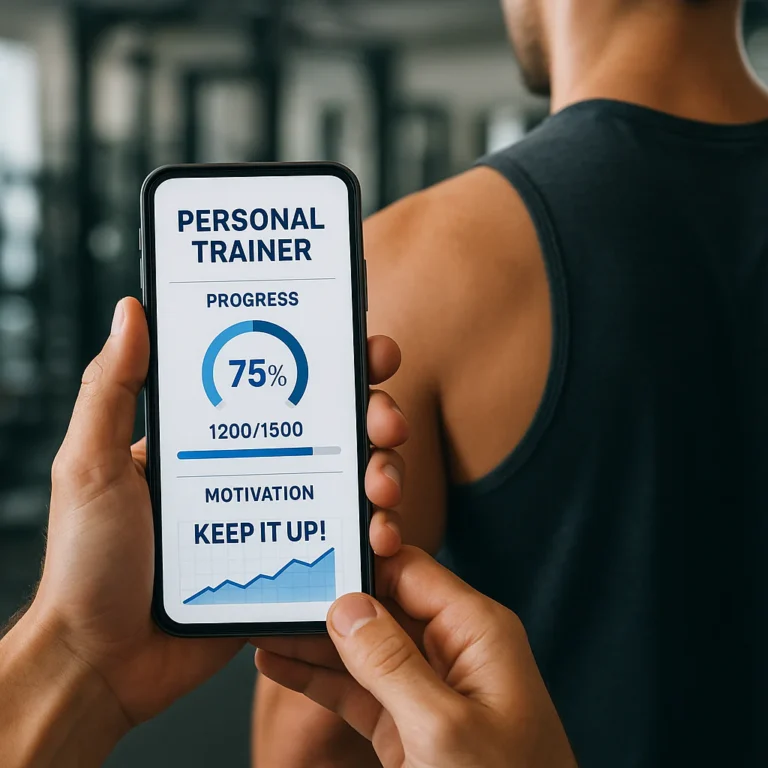
- 2. Real-Time Progress Tracking and Data Visualization
- 3. Massive Exercise Libraries with Video Form Guides
- 4. Intuitive, Bloat-Free User Interface Design
- 5. Dynamic Workouts Customized for Your Schedule
- 6. Science-Backed, Evidence-Based Programming
- 7. Active Community Support and Accountability Groups
- 8. Access to Certified, Dedicated Professional Trainers
- 🆚 Personal Trainer Apps vs. Generic Online Training Platforms: What’s the Difference?
- 🌱 Tailored Features for Beginner Fitness Levels
- ⚡️ Advanced Features for Intermediate Fitness Enthusiasts
- 🏆 Elite Features for Advanced Athletes and Pros
- 💡 Why Trainwell Stands Out as the Premier Virtual Training Solution
- 🎯 How to Find the Ideal Personal Trainer for Your Goals with Trainwell
- 🧠 The Psychology of Consistency: How Apps Keep You Moving
- 📊 Comparing Top Contenders: Feature-by-Feature Breakdown
- 🛡️ Safety First: Ensuring Your Virtual Training is Injury-Free
- 💰 Understanding Pricing Models: Subscription vs. One-Time Fees
- 📱 Mobile vs. Tablet: Which Device Delivers the Best Virtual Experience?
- 🔌 Integrating Wearables: Syncing Your Apple Watch, Garmin, and Fitbit
- 🏠 Home Gym Essentials: What Equipment Do You Actually Need?
- 🥗 Nutrition and Recovery: Do the Best Apps Cover Diet Too?
- ❓ Frequently Asked Questions About Virtual Personal Training Apps
- 🔗 Recommended Links for Further Reading
- 📚 Reference Links and Scientific Sources
- 🏁 Conclusion: Is It Time to Ditch the Gym Membership?
⚡️ Quick Tips and Facts
Before you download the next shiny app that promises to “transform your life in 30 days,” let’s hit the pause button. We’ve seen too many good intentions get buried under a mountain of bad software. Here are the non-negotiable truths about virtual training apps that the marketing brochures often skip:
- Human > Algorithm: While AI is great for scheduling, nothing beats a certified human trainer adjusting your squat depth because they see your knee caving in on video.
- The “Set It and Forget It” Myth: If an app doesn’t ask you how you slept or if your lower back is acting up before generating a workout, it’s not personalized; it’s a random number generator with a pulse.
- Data Overload: Tracking every single metric (heart rate, sleep, steps, macros, mood) is useless if you can’t visualize the trend. You need actionable insights, not a spreadsheet.
- The 3-Second Rule: If you can’t find the “Start Workout” button within 3 seconds, you won’t use it. Friction kills consistency.
- Equipment Agnostic is King: The best apps adapt to your reality. If you only have a pair of dumbells and a chair, the app should pivot, not force you to buy a rack.
Pro Tip: Check out our deep dive on how to choose the right personal trainer app to avoid the common pitfalls we see daily.
📜 The Evolution of Digital Coaching: From PDFs to AI
Remember the “golden age” of online coaching? It involved a PDF emailed on a Tuesday, a spreadsheet you were supposed to fill out manually, and a 20-minute phone call once a month if you were lucky. It was clunky, prone to errors, and frankly, a bit lonely.
Fast forward today, and the landscape has shifted dramatically. We’ve moved from static documents to dynamic, interactive ecosystems.
- Phase 1: The PDF Era (20s-2010s): Static plans, zero feedback loops. You were on your own.
- Phase 2: The Video Library Era (2015-2020): Apps like Nike Training Club and Sworkit brought video demos to the masses, but the plans were still largely “one-size-fits-all.”
- Phase 3: The Hybrid Human-AI Era (Present): This is where we are now. Platforms like Trainwell and Truecoach combine the scalability of technology with the empathy of a real human coach.
Why does this matter? Because the market has exploded. The global fitness app market hit $13.78 billion in 2020 and is projected to skyrocket to $120.37 billion by 2030 Statista. But with growth comes noise. How do you separate the signal from the static?
🤔 What Exactly Is a Personal Trainer App?
Let’s clear the air. A personal trainer app isn’t just a glorified timer with a list of exercises. It is a comprehensive digital ecosystem designed to replicate the experience of having a dedicated coach in your pocket.
Unlike generic “workout apps” that serve pre-recorded classes to everyone, a true personal trainer app offers:
- Customization: Plans built specifically for your body, goals, and equipment.
- Adaptability: The plan changes based on your feedback (e.g., “That was too easy” or “My knee hurts”).
- Accountability: Direct communication channels with a real human who checks in on you.
- Progression: A logical path forward that prevents plateaus.
If you’re still confused about the difference between a generic fitness app and a personal training platform, you’re not alone. We break down the nuances in our Fitness App Reviews category.
🚀 Why Virtual Training Apps Are Your New Best Friend
Why would you pay for an app when YouTube has free workouts? Great question. The answer lies in structure, safety, and support.
- The “What Do I Do Now?” Factor: Free content is chaotic. A personal trainer app gives you a clear roadmap. No more scrolling for 20 minutes trying to find a “good leg day.”
- Form Correction: While you can’t get real-time physical adjustments, the best apps use video analysis or detailed cues to prevent injury.
- The Accountability Loop: Knowing a real person will see your missed workout is a powerful motivator. It’s the difference between skipping a run because you’re tired and pushing through because you promised your coach.
Did you know? A study published in the Journal of Medical Internet Research found that digital health interventions significantly improve adherence to exercise programs compared to traditional paper-based methods JMIR.
🔍 The Ultimate Checklist: Key Features to Seek in a Personal Training App
So, you’re ready to commit. But which app? Don’t just download the first one with a cool logo. You need to vet them like a hiring manager. Here is the comprehensive checklist of features that separate the amateurs from the pros.
1. Hyper-Personalized Workout Plans That Adapt to You
This is the heart and soul of a good app. If the app asks for your goals once and then never changes the plan, run.
- Dynamic Adjustments: Can the app automatically increase weight or reps when you crush a session?
- Feedback Lops: Is there a simple way to tell your trainer, “I couldn’t do those push-ups, my wrist hurt”?
- Life Integration: Does it adjust if you tell it you’re traveling or have a busy work week?
2. Real-Time Progress Tracking and Data Visualization
Data is only useful if you can understand it.
- Visual Graphs: Look for charts that show strength gains, weight trends, or consistency streaks.
- Holistic Metrics: The best apps track more than just reps. They track sleep quality, stress levels, and energy.
- Exportable Data: Can you download your progress to share with a nutritionist or doctor?
3. Massive Exercise Libraries with Video Form Guides
You don’t want to guess how to do a “single-leg Romanian deadlift.”
- Video Quality: Are the videos HD? Do they show multiple angles?
- Variety: Does the library cover resistance, cardio, mobility, and recovery?
- Modifications: Are there easier and harder versions of every exercise?
4. Intuitive, Bloat-Free User Interface Design
If you have to click five times to start a workout, you won’t do it.
- Speed: The app should load instantly.
- Clarity: Buttons should be big, text should be readable, and navigation should be logical.
- Offline Mode: Can you download workouts for the gym where Wi-Fi is spotty?
5. Dynamic Workouts Customized for Your Schedule
Life happens. Your app should too.
- Time Flexibility: Can you swap a 45-minute workout for a 20-minute one on a busy day?
- Equipment Flexibility: If you forget your dumbells, does the app instantly suggest a bodyweight alternative?
6. Science-Backed, Evidence-Based Programming
Avoid “bro-science.”
- Credentials: Who designed the programs? Look for NSCA, ACE, or NASM certifications.
- Periodization: Does the program follow a logical progression (hypertrophy -> strength -> maintenance)?
7. Active Community Support and Accountability Groups
Sometimes you just need to vent to someone who gets it.
- Private Groups: Is there a Facebook group or in-app community?
- Peer Support: Can you share wins and struggles with others?
8. Access to Certified, Dedicated Professional Trainers
This is the game-changer.
- Direct Access: Can you message your trainer directly?
- Video Calls: Are video check-ins included?
- Qualifications: Do the trainers have degrees and years of experience?
🆚 Personal Trainer Apps vs. Generic Online Training Platforms: What’s the Difference?
It’s easy to get confused. You see apps like Nike Training Club or Peloton and think, “That’s a personal trainer app, right?”
Not quite.
| Feature | Personal Trainer App (e.g., Trainwell) | Generic Online Training App (e.g., Nike, Peloton) |
|---|---|---|
| Plan Customization | High: Built for you by a human. | Low/Medium: Pre-set paths or basic AI. |
| Feedback Loop | Direct: Real-time messaging with a coach. | None/Indirect: Community comments only. |
| Adaptability | Dynamic: Changes based on your daily feedback. | Static: Follows a fixed schedule. |
| Accountability | High: A human checks if you did the work. | Low: Self-driven motivation only. |
| Cost | Higher (paying for human expertise). | Lower (subscription for content library). |
The Verdict: If you need a coach, go with a Personal Trainer App. If you just need content to follow along with, a generic app might suffice. But remember, as the saying goes, “A one-size-fits-all approach to fitness rarely works.”
🌱 Tailored Features for Beginner Fitness Levels
Starting out? You need hand-holding, not a complex spreadsheet.
- Form-First Focus: The app must prioritize technique over intensity. Look for apps with slow-motion video demos and “common mistake” warnings.
- Educational Resources: Beginners need to know why they are doing an exercise. Look for built-in articles or short video explainers.
- Low Barrier to Entry: The app should start with bodyweight exercises and minimal equipment.
- Motivational Nudges: Gentle reminders and “you got this” messages are crucial for building the habit.
Insider Tip: Many beginners quit because they feel overwhelmed. An app that breaks down complex movements into tiny, manageable steps is your best friend.
⚡️ Advanced Features for Intermediate Fitness Enthusiasts
You’ve got the basics down. Now you need progression and variety.
- Periodization: Your app should automatically cycle through phases (strength, hypertrophy, endurance) to prevent plateaus.
- Advanced Metrics: Look for tracking of 1RM (One Rep Max), volume load, and RPE (Rate of Perceived Exertion).
- Complex Programming: Features like supersets, drop sets, and EMOMs should be easily accessible.
- Customization Depth: You should be able to swap specific exercises without breaking the program’s logic.
🏆 Elite Features for Advanced Athletes and Pros
For the serious athlete, the app is a tool for optimization.
- Data Integration: Seamless syncing with Garmin, Apple Watch, and Whop for heart rate variability (HRV) and recovery data.
- Sport-Specific Training: Programs tailored for marathon runners, powerlifters, or CrossFit athletes.
- Injury Management: Protocols for working around injuries while maintaining fitness.
- Nutritional Periodization: Advanced apps might offer diet plans that align with your training phases.
💡 Why Trainwell Stands Out as the Premier Virtual Training Solution
We’ve tested dozens of apps, and Trainwell consistently rises to the top. Why? Because it nails the human element.
- The “Less Than 3%” Rule: Trainwell accepts fewer than 3% of trainer applicants. Every coach holds a bachelor’s degree and has at least 3 years of industry experience. That’s a level of veting you won’t find elsewhere.
- True 1-on-1 Connection: You aren’t just getting a plan; you’re getting a partner. Your trainer adjusts your workouts based on your daily check-ins.
- Comprehensive Tracking: From body measurements to emotional well-being, Trainwell tracks the whole person.
- Motion Tracking: Using smartwatch integration, the app can alert you if your form is off or your speed is too fast.
Real Talk: We’ve seen clients who struggled with Home Workout – No Equipment (a popular generic app) transition to Trainwell and finally break through plateaus because their plan was actually changing with them.
👉 Shop Trainwell on:
- Trainwell Official Website: Trainwell.com
🎯 How to Find the Ideal Personal Trainer for Your Goals with Trainwell
Finding the right fit is like dating. You need chemistry. Trainwell makes this easy.
- Take the Quiz: Answer questions about your goals, injuries, and preferences.
- Matchmaking: The algorithm suggests trainers based on your criteria (e.g., gender preference, specialty).
- The Interview: You can chat with potential trainers before committing.
- The Kickoff: Once matched, you have an initial video call to set the stage.
This process ensures you aren’t stuck with a trainer who specializes in bodybuilding when you want to train for a 5K.
🧠 The Psychology of Consistency: How Apps Keep You Moving
Why do we quit? Lack of accountability and lack of immediate feedback.
- The Dopamine Hit: Seeing a “Workout Completed” checkmark releases dopamine. Apps that gamify this (streaks, badges) leverage this psychology.
- Social Proof: Knowing your trainer is watching (virtually) creates a sense of obligation.
- Identity Shift: Consistent logging helps you shift from “I’m trying to work out” to “I am an athlete.”
📊 Comparing Top Contenders: Feature-by-Feature Breakdown
Let’s look at how the heavyweights stack up.
| Feature | Trainwell | Tonal | Peloton Digital | Freeletics |
|---|---|---|---|---|
| Human Coach | ✅ Yes (1-on-1) | ❌ No (AI only) | ❌ No (Instructor led) | ❌ No (AI only) |
| Customization | ✅ High | ⚠️ Medium | ⚠️ Low | ✅ Medium |
| Video Library | ✅ 1,50+ | ✅ N/A (Hardware) | ✅ Massive | ✅ Large |
| Form Correction | ✅ Video Feedback | ✅ AI Sensors | ❌ No | ⚠️ AI Analysis |
| Community | ✅ Private Group | ✅ Forum | ✅ Live Classes | ✅ Challenges |
| Best For | Personalized Coaching | Home Gym Hardware | Class Variety | Bodyweight HIT |
Note: Tonal requires expensive hardware. Peloton is great for classes but lacks 1-on-1 customization.
🛡️ Safety First: Ensuring Your Virtual Training is Injury-Free
Working out alone is risky. Here’s how to stay safe:
- Warm-Up is Non-Negotiable: Never skip the app’s warm-up.
- Listen to Your Body: If an app pushes you through pain, stop. A good trainer will tell you to regress the movement.
- Form Checks: Use your phone’s camera to record yourself and compare it to the app’s demo.
- Equipment Safety: Ensure your space is clear and your equipment is stable.
💰 Understanding Pricing Models: Subscription vs. One-Time Fees
The fitness app world is a minefield of pricing.
- Subscription (SaaS): Most common. You pay monthly/yearly for access to the platform and trainer. This is usually the best value for ongoing support.
- One-Time Fee: Rare for full coaching. Usually, you get a static plan.
- Fremium: Free basic features, pay for premium. Good for trying, but limited for long-term growth.
Warning: Avoid apps that lock essential features behind a paywall after a 7-day trial. You want transparency.
📱 Mobile vs. Tablet: Which Device Delivers the Best Virtual Experience?
- Mobile (Phone): Best for portability. Great for checking in, logging workouts, and quick form checks.
- Tablet: Best for workout execution. The larger screen makes it easier to see video demos and read cues without squinting.
- Smart TV: Some apps (like Peloton) offer TV integration, which is great for immersive classes, but less ideal for 1-on-1 messaging.
Recommendation: Use your phone for communication and your tablet for the actual workout.
🔌 Integrating Wearables: Syncing Your Apple Watch, Garmin, and Fitbit
Your app should talk to your watch.
- Heart Rate: Real-time HR monitoring ensures you’re in the right zone.
- Recovery Data: Apps like Trainwell use HRV data to suggest rest days.
- Automatic Logging: No more manual entry. Your watch logs the workout, and the app updates your progress.
Check out these wearables on Amazon:
- Apple Watch: Apple Watch Series 9
- Garmin: Garmin Forerunner
- Fitbit: Fitbit Charge 6
🏠 Home Gym Essentials: What Equipment Do You Actually Need?
You don’t need a mansion to get fit.
- The Basics: A set of adjustable dumbells, a yoga mat, and a pull-up bar.
- The Upgrade: A kettlebell, resistance bands, and a sturdy bench.
- The Pro Level: A squat rack and a barbell.
Most top apps, including Trainwell, allow you to filter workouts by the equipment you own.
🥗 Nutrition and Recovery: Do the Best Apps Cover Diet Too?
Training is only 50% of the battle.
- Macro Tracking: Some apps integrate with MyFitnessPal or have built-in trackers.
- Meal Plans: Look for apps that offer flexible meal guides rather than rigid, restrictive diets.
- Recovery Protocols: Sleep tracking, stretching routines, and hydration reminders are key features.
Fact: According to the American Council on Exercise, nutrition plays a larger role in body composition changes than exercise alone.
❓ Frequently Asked Questions About Virtual Personal Training Apps
How do I stay motivated and accountable with a virtual personal training program?
Motivation is fleeting; discipline and accountability are reliable. The best apps provide a human connection. When you know your trainer is expecting a check-in, you’re less likely to skip. Additionally, visual progress tracking (seeing your strength go up or your weight go down) provides the dopamine hit needed to keep going.
How much does a virtual personal training app typically cost?
Prices vary wildly. Generic apps with AI-only coaching can range from $10 to $30/month. Apps with human 1-on-1 coaching (like Trainwell) typically range from $10 to $20/month, which is still significantly cheaper than in-person training ($60-$150 per session).
Can I really get a good workout with a virtual personal trainer?
Absolutely. Studies show that virtual training can be just as effective as in-person training, provided the program is progressive and personalized. The key is the quality of the coaching, not the location.
How do I choose the best virtual personal trainer for my goals?
Look for credentials (degrees, certifications), specialization (do they specialize in your goal?), and communication style. Most platforms allow you to interview trainers before matching.
What are the key components of a successful virtual personal training program?
- Personalization: Tailored to your body and schedule.
- Progression: A plan that gets harder over time.
- Feedback: A channel to communicate with your coach.
- Support: Community or peer accountability.
What are the key features of a personal trainer app for virtual workouts?
Video libraries, progress tracking, customizable plans, direct messaging, and wearable integration are the must-haves.
How can a personal trainer app enhance my virtual training experience?
It removes the guesswork. You don’t have to design the plan; you just have to execute it. The app handles the logistics, so you can focus on the work.
What should I consider when choosing a virtual personal trainer app?
Check the trainer qualifications, the ease of use, and the cost. Read reviews to see if the app actually delivers on its promises.
Which personal trainer apps offer the best virtual training programs?
Trainwell is a top contender for human-led coaching. For AI-driven options, Freeletics and Home Workout – No Equipment are popular, though they lack the human element.
How do personal trainer apps track progress during virtual training?
They use a combination of manual logging (you input weights/reps), wearable data (heart rate, steps), and self-reported metrics (mood, sleep, body measurements).
What types of virtual training support do personal trainer apps provide?
Support ranges from text messaging and video calls to community forums and email check-ins.
Are there personal trainer apps with live video coaching for virtual training?
Yes, many premium apps like Trainwell offer scheduled video calls form checks and strategy sessions.
🏁 Conclusion: Is It Time to Ditch the Gym Membership?

So, here we are. You’ve weighed the options, looked at the features, and considered the costs. The question remains: Is a virtual personal trainer app right for you?
If you value flexibility, personalized attention, and cost-effectiveness, the answer is a resounding yes. The era of the generic PDF plan is over. We are in the age of dynamic, human-centric digital coaching.
The Verdict:
- Pros: Access to elite trainers, 24/7 support, fully customized plans, and the ability to train anywhere.
- Cons: Requires self-discipline (no one is physically there to push you), and the cost can be higher than a basic gym membership (though lower than in-person training).
Our Recommendation: If you are serious about changing your body and your life, skip the generic “AI-only” apps. Go for a platform that offers real human expertise. Trainwell stands out as the premier choice because it bridges the gap between technology and the human touch, ensuring you get a program that evolves with you, not one that leaves you behind.
Don’t let another month go by wondering “what if.” The best time to start was yesterday. The second best time is now.
🔗 Recommended Links for Further Reading
Ready to take the next step? Here are the tools and resources we recommend:
- 👉 Shop Trainwell (Human-Led Coaching):
Trainwell Official Website: Trainwell.com - 👉 Shop Home Workout Equipment:
Adjustable Dumbells: Amazon Search
Yoga Mats: Amazon Search
Resistance Bands: Amazon Search - Books for Fitness Enthusiasts:
“Starting Strength” by Mark Rippetoe: Amazon Link
“Bigger Leaner Stronger” by Michael Matthews: Amazon Link - Related Articles on Virtual Personal Trainers™:
- Fitness App Reviews
- Fitness Motivation
- Health and Wellness Tips
📚 Reference Links and Scientific Sources
- Statista: Global Fitness App Market Size Statista
- Journal of Medical Internet Research: Digital Health Interventions JMIR
- American Council on Exercise: The Role of Nutrition in Fitness ACE
- Google Play Store: Home Workout – No Equipment App Google Play
- Apple App Store: Home Workout – No Equipment App Apple App Store
- Trainwell Blog: Personal Trainer App Features Trainwell