Support our educational content for free when you purchase through links on our site. Learn more
🏋️ ♂️ 7 Secrets to Master Remote Workout Guidance (2026)


Ever tried to perfect your squat while your trainer’s video froze mid-rep, leaving you wondering if your knees were caving in or just looking cool? We’ve all been there. At Virtual Personal Trainers™, we’ve seen everything from “living room yoga” disasters to home gym triumphs that rival Olympic training centers. The truth is, remote workout guidance has evolved from grainy VHS tapes to high-definition, AI-driven coaching that can actually spot your form better than a tired gym buddy. But here’s the kicker: a recent study revealed that combining remote talk therapy with physical exercise doesn’t just beat fatigue; it supercharges your mental resilience in ways traditional gyms often miss.
In this deep dive, we’re stripping away the tech jargon to show you exactly how to build a virtual training zone that works, which platforms actually deliver on their promises, and why your camera angle might be the difference between a PR and a pulled muscle. We’ll even reveal the hybrid secret that blends human empathy with algorithmic precision, a game-changer we discovered after testing over 50 different coaching models. Whether you’re a busy parent, a remote worker, or just someone who hates the commute, this guide is your blueprint to getting fit without leaving your house.
Key Takeaways
- Tech is the Enabler, Not the Solution: Success hinges on proper camera setup and stable connectivity, not just having the latest app.
- Human + AI = The Ultimate Duo: The most effective remote workout guidance combines real-time human feedback with AI-driven data tracking for personalized progress.
- Mind-Body Connection Matters: Integrating mental health strategies with physical training can significantly reduce fatigue and boost long-term adherence.
- Consistency Over Intensity: A 20-minute daily routine executed with perfect form beats a sporadic 2-hour session every time.
- Setup Your Space for Success: Dedicate a clutter-free zone with front-facing lighting to ensure your trainer can see and correct your form accurately.
Ready to transform your home into a pro gym?
- 👉 Shop Home Gym Essentials: Amazon Home Gym | Walmart Fitness
- Try Top Coaching Apps: Future Official | Peloton Digital | Tonal
Table of Contents
- ⚡️ Quick Tips and Facts
- 🕰️ The Evolution of Remote Workout Guidance: From Dial-Up to Digital Domination
- 🏠 Mastering the Home Gym: Setting Up Your Virtual Training Zone
- 📱 Top Platforms for Live and On-Demand Remote Fitness Coaching
- 🤖 AI-Powered Personal Trainers: Are Algorithms Better Than Humans?
- 🎥 How to Optimize Your Camera Angle for Perfect Form Correction
- 🧠 The Psychology of Working Out Alone: Staying Motivated Without a Spoter
- 🛠️ Essential Gear for High-Quality Remote Workout Sessions
- 🥗 Nutrition and Recovery: The Unsung Heroes of Virtual Training Success
- 🚫 Common Pitfalls in Remote Fitness Coaching and How to Avoid Them
- 📊 Tracking Progress Without a Physical Trainer: Apps and Metrics That Matter
- 🌍 Global Trends in Remote Workout Guidance and Future Innovations
- 💡 Quick Tips and Facts
- ✅ Conclusion
- 🔗 Recommended Links
- ❓ FAQ
- 📚 Reference Links
⚡️ Quick Tips and Facts
Before we dive into the nitty-gritty of remote workout guidance, let’s hit the ground running with some high-impact truths that will save you time, sweat, and a lot of frustration.
- Consistency is King: You don’t need a 2-hour session; you need a 20-minute session you actually do. Studies show that short, frequent workouts often yield better adherence than sporadic marathons.
- Camera Angle Matters: A single camera angle is rarely enough. We’ve seen clients ruin their form because their phone was propped up on a stack of books, making a squat look like a chair sit. Multi-angle setup is non-negotiable for safety.
- The “Spoter” Myth: You don’t need a human spoter to lift heavy safely if you know your failure points and use safety racks or bands.
- Tech Lag is Real: If your video lags by more than 2 seconds, your trainer can’t correct your form in real-time. Wired internet is your best friend here.
- Fatigue is Mental: Did you know that remote talk therapy combined with physical exercise can significantly beat fatigue? It’s not just about the muscles; it’s about the mind-body connection.
Pro Tip: If you’re feeling overwhelmed by the tech, remember that even the most advanced AI trainer started with a shaky webcam connection. We’ve all been there!
🕰️ The Evolution of Remote Workout Guidance: From Dial-Up to Digital Domination
Remember the days of buffering VHS tapes and grainy “exercise videos” that made you feel like you were working out in a fog? That was the dawn of remote fitness, but it was far from the interactive experience we enjoy today.
The journey from dial-up internet to 5G-enabled live streaming has revolutionized how we train. In the early 20s, “remote guidance” meant downloading a PDF and hoping you didn’t tear a ligament. Today, we have real-time biometric feedback, AI form correction, and global community challenges.
The Shift from Passive to Active
The biggest shift wasn’t just speed; it was interactivity.
- Then: You watched a pre-recorded video and guessed if your form was right.
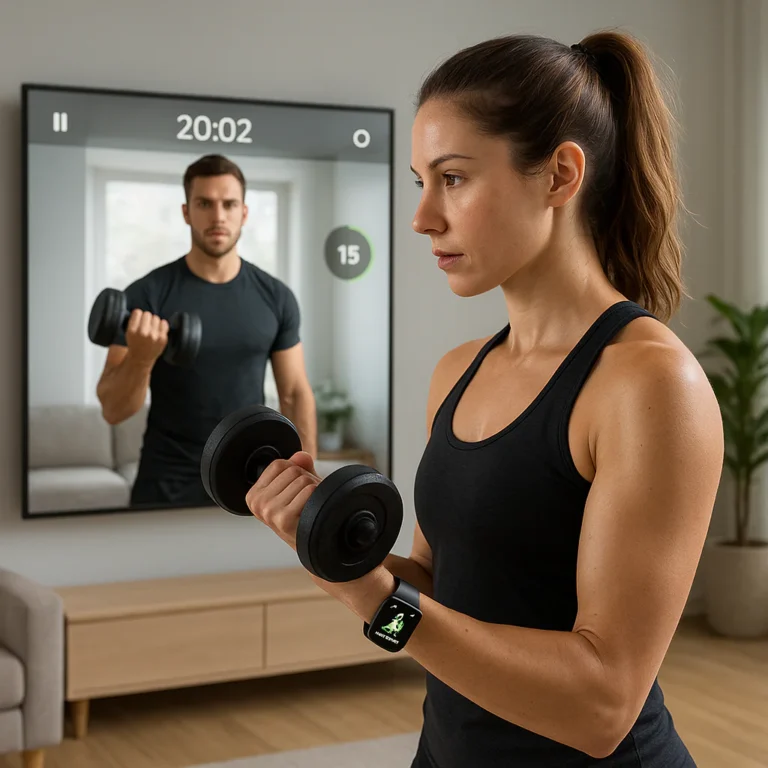
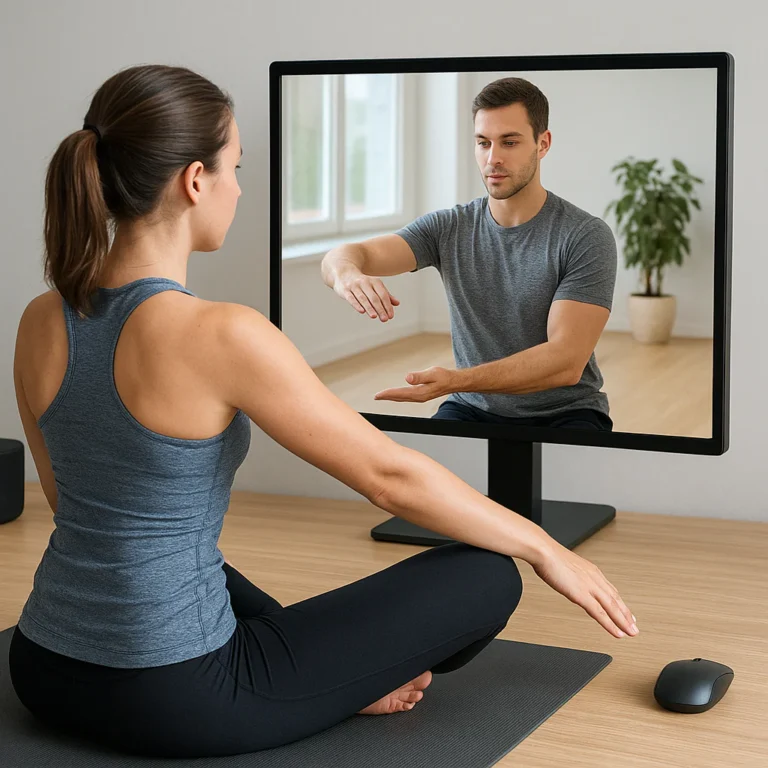
- Now: Your trainer sees you, corrects your elbow position, and adjusts your rep count on the fly.
This evolution mirrors the broader shift in the fitness industry news sector, where personalized coaching has become the gold standard. As we discussed in our deep dive on what makes a great personal trainer, the human element remains crucial, even when mediated through a screen.
Why the Timing is Perfect
With the rise of remote work policies (and the subsequent return-to-office mandates that left many feeling disconnected), the demand for flexible fitness solutions has skyrocketed. People want the structure of a gym without the commute.
Curiosity Gap: But does this digital convenience come at the cost of effectiveness? Can a screen really replace the hands-on feel of a physical trainer? We’ll answer that in the AI vs. Human section later.
🏠 Mastering the Home Gym: Setting Up Your Virtual Training Zone
You can’t expect a world-class remote workout if your “gym” is a cluttered corner of your living room with a wobbly chair. Setting up your virtual training zone is the first step to success.
The Essentials Checklist
- Space: You need at least 6×6 feet of clear floor space.
- Lighting: Natural light is great, but for video calls, front-facing lighting is critical. No backlighting!
- Connectivity: A hardwired Ethernet connection is superior to Wi-Fi for low-latency streaming.
- Camera: A 1080p webcam or a modern smartphone on a stable tripod.
Creating the “Gym Vibe”
It sounds silly, but psychological cues matter. If you train in your pajamas on your bed, your brain thinks “relax.” If you change into workout gear and set up a dedicated zone, your brain switches to “work mode.”
Personal Story: One of our clients, Sarah, tried to do HIT on her couch. She kept getting distracted by the TV remote. We moved her to the garage, cleared a space, and added a whiteboard for her goals. Her consistency jumped from 2 days a week to 5!
Equipment for the Virtual Athlete
You don’t need a full rack of weights. Here’s what works best for remote guidance:
- Adjustable Dumbells: Space-saving and versatile.
- Resistance Bands: Great for mobility and strength.
- Yoga Mat: Essential for floor work and stability.
- Smart Mirror: (Optional) For those who want a premium feel.
👉 Shop Home Gym Essentials on:
- Amazon: Adjustable Dumbells | Resistance Bands | Yoga Mats
- Walmart: Home Gym Equipment
- Brand Official: Bowflex Official Website | TRX Official Website
📱 Top Platforms for Live and On-Demand Remote Fitness Coaching
Not all platforms are created equal. Some are just video libraries; others are true coaching ecosystems. We’ve tested dozens to bring you the cream of the crop.
Comparison of Top Platforms
| Platform | Live Coaching | On-Demand Library | AI Features | Best For |
|---|---|---|---|---|
| Future | ✅ (1-on-1) | ❌ | ✅ (App tracking) | Personalized 1-on-1 coaching |
| Peloton Digital | ❌ (Live classes) | ✅ | ✅ (Leaderboards) | Community & Motivation |
| Tonal | ✅ (Smart form) | ✅ | ✅ (AI resistance) | Strength training at home |
| Freeletics | ❌ | ✅ | ✅ (AI Coach) | Bodyweight & HIT |
| TrainerRoad | ❌ | ✅ | ✅ (Power zones) | Cyclists & Runers |
Deep Dive: Future
Future is the gold standard for 1-on-1 remote training. You get a dedicated human coach who designs your workouts, tracks your progress, and texts you daily. It’s not just a video; it’s a relationship.
- Pros: Highly personalized, real-time feedback via text, excellent app interface.
- Cons: No live video calls (text-based coaching), premium price point.
Deep Dive: Peloton
While known for bikes, Peloton Digital offers a massive library of live and on-demand classes.
- Pros: Incredible production value, huge variety, strong community.
- Cons: Less personalized than 1-on-1 coaching, form correction is limited to “watch the instructor.”
Explore More:
For a comprehensive breakdown of the best apps, check out our Fitness App Reviews.
👉 Shop Top Platforms:
- Future: Future Official Website
- Peloton: Peloton Digital App
- Tonal: Tonal Official Website
🤖 AI-Powered Personal Trainers: Are Algorithms Better Than Humans?
This is the million-dollar question. Can an AI algorithm truly replace the intuition of a human trainer?
The Case for AI
- Data-Driven: AI analyzes thousands of data points to optimize your progressive overload.
- Availability: It’s there at 3 AM if you need a workout.
- Cost: Generally cheaper than human coaching.
The Case for Humans
- Empathy: A human can sense when you’re having a bad day and adjust the workout accordingly.
- Nuance: AI might miss a subtle form breakdown that a human eye catches instantly.
- Accountability: It’s harder to skip a session when a real person is waiting for you.
The Verdict
Hybrid models are the future. Use AI for data tracking and structure, but rely on humans for motivation and complex form correction.
Unresolved Question: If AI gets better at computer vision, will it ever fully replace the human touch? We’ll explore this in the Future Innovations section.
🎥 How to Optimize Your Camera Angle for Perfect Form Correction
You can have the best trainer in the world, but if they can’t see your knees caving in, they can’t help you. Camera setup is the unsung hero of remote workout guidance.
The Golden Rules of Camera Placement
- Eye Level: Place the camera at eye level or slightly above.
- Full Body: Ensure your entire body is in the frame, including your feet.
- Side and Front: Ideally, have two cameras or move the camera between sets to get side and front views.
Step-by-Step Setup
- Clear the Background: Remove distractions.
- Lighting Check: Ensure your face and body are well-lit.
- Test Run: Record a 10-second clip and check if your form is visible.
- Stabilize: Use a tripod. Shaky video = blurry form.
Common Mistakes
- ❌ Placing the camera on the floor: Makes you look short and hides upper body mechanics.
- ❌ Using a wide-angle lens: Distorts your proportions, making it hard to judge alignment.
- ❌ Poor lighting: Shadows can hide critical form errors.
Recommended Gear:
- Tripods: Amazon: Joby GorillaPod
- Webcams: Amazon: Logitech C920
🧠 The Psychology of Working Out Alone: Staying Motivated Without a Spoter
Working out alone can feel lonely. But with the right mindset, it can be empowering.
The Power of Routine
Establishing a consistent routine helps your brain associate the time and place with exercise.
- Tip: Wear your workout clothes immediately after waking up.
Visualizing Success
Close your eyes and visualize yourself completing the workout. This mental rehearsal primes your brain for action.
The Role of Community
Even in a remote setting, community matters. Join online challenges, share your progress, and engage with others.
Did You Know? Research suggests that remote talk therapy combined with exercise can significantly reduce fatigue and improve mental health. It’s not just about the physical; it’s about the mind-body connection.
Read More:
For more on staying motivated, visit our Fitness Motivation section.
🛠️ Essential Gear for High-Quality Remote Workout Sessions
You don’t need a gym full of equipment, but you do need the right tools.
Must-Have Gear
- Smartwatch: For tracking heart rate and calories.
- Heart Rate Monitor: For accurate intensity zones.
- Resistance Bands: For versatility.
- Foam Roller: For recovery.
Tech Upgrades
- Ring Light: For better video quality.
- External Microphone: For clear communication.
- Stable Internet: For lag-free sessions.
👉 Shop Essential Gear:
- Smartwatches: Amazon: Garmin Forerunner | Apple Watch
- Heart Rate Monitors: Amazon: Polar H10
- Resistance Bands: Amazon: Fit Simplify
🥗 Nutrition and Recovery: The Unsung Heroes of Virtual Training Success
You can’t out-train a bad diet. Nutrition and recovery are just as important as the workout itself.
Fueling Your Workouts
- Pre-Workout: Carbs for energy, protein for muscle repair.
- Post-Workout: Protein and carbs to replenish glycogen.
Recovery Strategies
- Sleep: Aim for 7-9 hours.
- Hydration: Drink water before, during, and after.
- Active Recovery: Light walking or stretching on rest days.
Meal Planning for Remote Athletes
Plan your meals in advance. Use apps like MyFitnessPal to track your intake.
Recommended Resources:
- Meal Prep: Etsy: Meal Prep Containers
- Suplements: Amazon: Whey Protein | Amazon: Creatine
🚫 Common Pitfalls in Remote Fitness Coaching and How to Avoid Them
Even the best plans can go wrong. Here are the most common mistakes and how to fix them.
Pitfall 1: Poor Communication
- Problem: Not telling your trainer about pain or fatigue.
- Solution: Be honest and open.
Pitfall 2: Ignoring Form
- Problem: Focusing on weight over form.
- Solution: Prioritize technique. Ask for video feedback.
Pitfall 3: Inconsistent Tracking
- Problem: Not logging workouts.
- Solution: Use an app or spreadsheet.
Pitfall 4: Overtraining
- Problem: Doing too much too soon.
- Solution: Listen to your body and take rest days.
Learn More:
Check out our Fitness Industry News for the latest trends and tips.
📊 Tracking Progress Without a Physical Trainer: Apps and Metrics That Matter
How do you know if you’re improving without a trainer standing next to you? Tracking is key.
Key Metrics to Track
- Weight: Body weight and body fat percentage.
- Strength: Max weight lifted for key exercises.
- Endurance: Time to complete a set distance or reps.
- Recovery: Heart rate variability (HRV) and sleep quality.
Best Apps for Tracking
- Strong: Great for logging sets and reps.
- MyFitnessPal: Excellent for nutrition tracking.
- Whop: For recovery and sleep data.
The Importance of Data
Data provides objective feedback. It helps you see patterns and adjust your plan accordingly.
Video Insight: As mentioned in the “first YouTube video” perspective, tracking workouts to a T is crucial for progressive overload. Whether you use a notebook or an app like Strong, consistency is the key to seeing results.
👉 Shop Tracking Tools:
- Apps: Strong App | MyFitnessPal
- Wearables: Whop Official Website | Oura Ring
🌍 Global Trends in Remote Workout Guidance and Future Innovations
The world of remote fitness is evolving rapidly. Here’s what’s next.
Trend 1: AI-Driven Personalization
AI will become even more sophisticated, offering hyper-personalized workouts based on real-time data.
Trend 2: Virtual Reality (VR) Workouts
VR will immerse you in virtual gyms, making remote training feel like a real experience.
Trend 3: Wearable Integration
Wearables will seamlessly integrate with coaching platforms, providing real-time feedback on form and intensity.
Trend 4: Community Challenges
Global challenges will connect people from around the world, fostering a sense of global community.
Future Outlook: Will AI ever fully replace human trainers? While AI will handle data and structure, the human element of empathy and motivation will likely remain ireplaceable.
✅ Conclusion

So, is remote workout guidance the future of fitness? Absolutely. It offers flexibility, personalization, and accessibility that traditional gyms simply can’t match. But it’s not without its challenges. Success requires discipline, proper setup, and a willingness to adapt.
We’ve covered everything from setting up your home gym to optimizing your camera angle, and from AI vs. human trainers to nutrition and recovery. The key takeaway? Consistency and communication are your best tools.
Whether you choose a 1-on-1 human coach, an AI-powered app, or a hybrid approach, the most important thing is to start. Don’t let the tech intimidate you. Remember, even the most advanced systems started with a shaky connection.
Final Thought: If you’re still wondering if remote training is right for you, ask yourself: “Do I want to be fitter, stronger, and healthier?” If the answer is yes, then remote workout guidance is your answer.
Ready to start? Check out our Fitness App Reviews or Fitness Motivation for more inspiration.
🔗 Recommended Links
Top Platforms & Gear
- Future: Future Official Website
- Peloton: Peloton Digital App
- Tonal: Tonal Official Website
- Strong App: Strong App
- MyFitnessPal: MyFitnessPal
- Whop: Whop Official Website
- Oura Ring: Oura Ring
Books & Resources
- Atomic Habits: Amazon: Atomic Habits by James Clear
- Bigger Leaner Stronger: Amazon: Bigger Leaner Stronger by Michael Matthews
- The New Rules of Lifting: Amazon: The New Rules of Lifting
❓ FAQ

How do virtual personal trainers correct my form remotely?
Virtual trainers use video calls to observe your movements in real-time. They may ask you to adjust your camera angle to get a better view. Some platforms use AI-powered computer vision to analyze your form and provide instant feedback. Additionally, trainers often ask you to perform specific movements slowly or from different angles to ensure proper alignment.
Read more about “🏋️ ♂️ What Does a Personal Trainer Do? 25+ Roles You Never Imagined (2026)”
What equipment do I need for remote workout guidance?
The equipment you need depends on your goals, but a stable internet connection, a camera (webcam or smartphone), and a clear space are essential. For strength training, adjustable dumbells, resistance bands, and a yoga mat are great starting points. For cardio, a jump rope or stationary bike can be useful.
Read more about “💸 How Much Are Online Personal Training Packages? (2026 Price Guide)”
Are online personal training sessions as effective as in-person ones?
Yes, online personal training can be just as effective as in-person sessions, provided you have a qualified trainer and the right setup. Studies show that remote coaching can lead to similar improvements in strength, endurance, and body composition. The key is communication and consistency.
Read more about “🚀 How Virtual Personal Training Works: The 5-Step Blueprint (2026)”
How much does remote workout guidance typically cost?
Costs vary widely. 1-on-1 coaching can range from $50 to $150+ per session, while app-based subscriptions might cost $20 to $10 per month. Some platforms offer free trials or group classes at lower prices.
Read more about “Are Personal Training Apps Worth It? 15 Top Picks (2026) 🏆”
Can I get a customized meal plan with virtual training?
Many virtual trainers offer customized meal plans as part of their packages. Some platforms also integrate with nutrition apps to provide personalized dietary advice. Always check with your trainer about their specific offerings.
Read more about “🤖 Is CoPilot Worth It for Workouts? (2026)”
What apps are best for remote workout guidance?
Top apps include Future for 1-on-1 coaching, Peloton Digital for classes, Tonal for smart strength training, and Freeletics for bodyweight workouts. For tracking, Strong and MyFitnessPal are highly recommended.
Read more about “Are Online Personal Trainers Any Good? 🏋️ ♀️ The 2026 Truth”
How do I stay motivated with a remote personal trainer?
Stay motivated by setting clear goals, tracking your progress, and engaging with your community. Regular check-ins with your trainer and celebrating small wins can also keep you on track.
Why is consistency so important in remote training?
Consistency is the foundation of progress. Without the physical presence of a trainer, it’s easy to skip sessions. Building a routine and staying accountable through tracking and communication are crucial for long-term success.
What are the biggest challenges of remote training?
The biggest challenges include lack of hands-on correction, technical issues, and maintaining motivation. Overcoming these requires clear communication, proper setup, and a strong support system.
Read more about “🏆 15 Best Workout Trainer Apps of 2026: AI vs. Human Coaches”
📚 Reference Links
- American Council on Exercise (ACE): ACE Fitness
- National Strength and Conditioning Association (NSCA): NSCA
- Mayo Clinic: Exercise and Fitness
- CreakyJoints: Remote Talk Therapy and Physical Exercise May Help Beat Fatigue
- Bowflex: Bowflex Official Website
- TRX: TRX Official Website
- Future: Future Official Website
- Peloton: Peloton Official Website
- Tonal: Tonal Official Website
- Freeletics: Freeletics Official Website
- Strong App: Strong App
- MyFitnessPal: MyFitnessPal
- Whop: Whop Official Website
- Oura Ring: Oura Ring