Support our educational content for free when you purchase through links on our site. Learn more
🎯 How to Find a Reputable Remote Personal Trainer (2026 Guide)

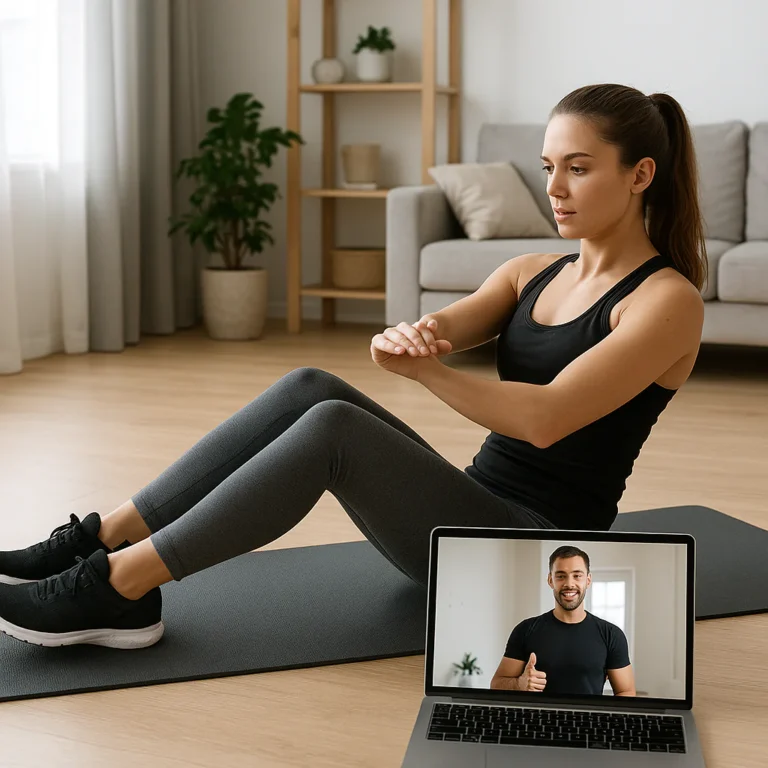
Finding a reputable remote personal trainer feels a bit like navigating a digital minefield where one wrong step could lead to wasted money, bad form, or even injury. We’ve all seen the Instagram ads promising “six-pack abs in 30 days” from a trainer who looks more like a fitness model than a coach, but the reality of effective virtual training is far more nuanced. Did you know that over 60% of certified professionals now offer hybrid or fully remote services, yet the quality of guidance varies wildly? In this comprehensive guide, we strip away the marketing fluff to reveal the 7-step blueprint for veting credentials, spotting red flags, and securing a coach who will actually move the needle on your fitness journey. From verifying NCCA-acredited certifications to understanding the tech stack that powers modern coaching, we’ll show you exactly how to build a partnership that delivers results without you ever stepping foot in a gym.
Key Takeaways
- Credentials Matter Most: Always verify that your potential trainer holds a current certification from a NCCA-acredited organization (like NASM, ACE, or ACSM) to ensure they possess the scientific knowledge to keep you safe.
- Communication is the Bridge: A reputable remote trainer relies on robust platforms (like Trainerize or My PT Hub) for real-time feedback and consistent check-ins, not just sporadic text messages.
- Specialization Wins: Look for a coach who has a proven track record with clients who share your specific goals, whether that’s post-partum recovery, marathon training, or hypertrophy.
- Red Flags to Avoid: Ster clear of trainers who promise miracle results, refuse to show liability insurance, or lack a clear, structured onboarding process.
- Tech is Essential: Ensure you have the basic gear (stable internet, good lighting, a tripod) to maximize the effectiveness of your virtual training sessions.
Table of Contents
- ⚡️ Quick Tips and Facts
- 📜 The Evolution of Virtual Fitness: From Dial-Up to Live Streaming
- 🔍 How to Find a Reputable Remote Personal Trainer: A Step-by-Step Guide
- 1. Define Your Specific Fitness Goals and Niche
- 2. Verify Credentials and Professional Certifications
- 3. Assess Communication Style and Technology Platform
- 4. Review Client Testimonials and Success Stories
- 5. Evaluate Pricing Structures and Contract Flexibility
- 6. Check for Insurance and Liability Coverage
- 7. Trial the Trainer with a Single Session
- 💻 Top Platforms and Apps for Connecting with Virtual Coaches
- 🚫 Red Flags: How to Spot a Fake or Unqualified Online Fitness Guru
- 🤝 Building a Successful Remote Trainer-Client Relationship
- 📊 Comparing In-Person vs. Remote Personal Training Benefits
- 🛠️ Essential Tech Gear for Effective Virtual Training
- 🧠 Mental Health and Motivation in Remote Fitness
- 🌍 Global Trends in the Remote Personal Training Industry
- 📝 Conclusion
- 🔗 Recommended Links
- ❓ FAQ
- 📚 Reference Links
⚡️ Quick Tips and Facts
Before we dive into the deep end of the virtual fitness ocean, let’s hit the pause button and grab a few life preservers. Finding a reputable remote personal trainer isn’t just about scrolling through Instagram hashtags; it’s about finding a partner who can guide you safely without being in the same room.
Here are the non-negotiables you need to know right now:
- Certification is King (but not the only ruler): A trainer must hold a current certification from a NCCA-acredited organization (like NASM, ACE, or ACSM) to be considered reputable. If they only have a “certification” from a weekend YouTube course, run.
- The “Specialist” Myth: You don’t need a trainer who is a bodybuilder to help you build muscle, nor do you need a marathon runner to help you run a 5K. You need someone with a proven track record of helping people like you achieve those goals.
- Tech is the Bridge: If a trainer asks you to text them form videos via WhatsApp and then replies three days later, that’s not remote training; that’s a delayed email service. Real remote training requires real-time feedback or a robust app ecosystem.
- It’s Not Just About the Workout: The best remote trainers focus heavily on accountability, nutrition, and mindset, not just the rep count.
Did you know? According to industry data, roughly 1 in 2 coaches now operate a hybrid model, blending live video with app-based programming. The era of the “gym rat” trainer is evolving into the “digital coach.”
If you’re wondering how to separate the wheat from the chaff in this digital landscape, you’re in the right place. We’ve seen it all, from the “guru” selling magic pills to the certified pros changing lives from their home offices. Let’s get into the nitty-gritty.
📜 The Evolution of Virtual Fitness: From Dial-Up to Live Streaming
Remember the days when “remote” meant sending a fax or a VHS tape of your workout to a trainer in another state? Yeah, we do too. The journey from those clunky, low-resolution beginnings to the high-definition, AI-driven ecosystems of today is nothing short of a revolution.
The Dial-Up Era: The “Fax Machine” Days
In the early 20s, if you wanted a remote trainer, you were likely dealing with static PDFs and email chains that took days to resolve. The feedback loop was so slow that by the time your trainer corrected your squat form, you had already developed a bad habit. It was a game of “telephone” where the message often got lost.
The Streaming Revolution
Fast forward to the 2010s. Enter Zoom, Skype, and eventually FaceTime. Suddenly, you could see your trainer. But it was still a bit clunky. You’d be on a call, and the connection would drop, or the audio would lag, making it impossible to count reps in sync.
The App Ecosystem: The Current State of Play
Today, we are in the golden age of Hybrid Training. Platforms like Trainerize and My PT Hub have transformed the experience. Now, your trainer isn’t just a voice on a call; they are a data analyst, a nutritionist, and a cheerleader all rolled into one. They can see your heart rate in real-time, track your sleep, and adjust your workout before you even start.
Fun Fact: The shift wasn’t just technological; it was cultural. As we explored in our deep dive on remote personal trainer trends, the stigma of “online training” has vanished. It’s now the preferred method for busy professionals, parents, and travelers alike.
But with this explosion of options comes a new problem: How do you know who is actually good? Just because a trainer has a shiny new app doesn’t mean they know how to coach. That’s where our step-by-step guide comes in.
🔍 How to Find a Reputable Remote Personal Trainer: A Step-by-Step Guide
Finding the right remote personal trainer is a bit like dating. You want chemistry, you want shared goals, and you definitely want to make sure they aren’t a catfish. Here is your 7-step blueprint to finding a trainer who won’t ghost you (or your progress).
1. Define Your Specific Fitness Goals and Niche
Before you even look at a profile, you need to know what you want. Are you training for a marathon? Do you need post-partum recovery guidance? Are you looking to build muscle with limited equipment?
- The Mismatch Trap: Many people hire a “generalist” when they need a “specialist.” If you want to compete in powerlifting, a trainer who specializes in “wellness yoga” might not be the best fit, even if they are certified.
- The “Any Equipment” Advantage: One of the biggest perks of remote training is finding a trainer who can adapt to your environment. As noted in our analysis of Fitness Industry News, the best remote coaches can design programs for a home gym, a hotel room, or a park.
Action Step: Write down your top 3 goals and your equipment limitations. If a trainer’s profile doesn’t mention experience with your specific goal, keep scrolling.
2. Verify Credentials and Professional Certifications
This is the make-or-break step. In the wild west of the internet, anyone can call themselves a “fitness guru.” You need proof.
- Look for NCCA Accreditation: The National Commission for Certifying Agencies (NCCA) is the gold standard. Certifications from NASM, ACE, ACSM, or NSCA mean the trainer has passed rigorous exams and adheres to a code of ethics.
- Check for Specializations: Does your goal require a specific credential? For example, if you have a history of injury, look for a Corrective Exercise Specialist (CES) or a trainer with a degree in Physical Therapy.
- The “Experience” vs. “Certification” Balance: A trainer might have a degree but no experience, or years of experience but no degree. The sweet spot is both.
Pro Tip: Don’t just take their word for it. Ask to see their certification number and verify it on the issuing organization’s website.
3. Assess Communication Style and Technology Platform
How will you talk? How will you train? This is where many remote relationships fail.
- Live vs. Asynchronous:
Live (Stream): You train together in real-time via video. Great form correction and motivation.
Asynchronous (App-based): You get a workout plan, do it on your time, and send a video for feedback. Great for flexibility.
Hybrid: A mix of both. This is often the most effective model. - The Platform Test: Ask the trainer what app they use. If they say “We’ll just text,” that’s a red flag. Reputable trainers use platforms like Trainerize, TrueCoach, or My PT Hub to track your progress, nutrition, and messaging in one place.
4. Review Client Testimonials and Success Stories
Social proof is powerful, but you need to read between the lines.
- Look for Specifics: “Great trainer!” is vague. “Helped me lose 20lbs while training for a 5K” is specific.
- Check for Diversity: Do they have success stories for people with your body type, age, and goals?
- The “Before and After” Reality: Be wary of photos that look suspiciously like stock images. Real testimonials often include video or detailed stories about the struggle, not just the result.
5. Evaluate Pricing Structures and Contract Flexibility
Remote training can range from affordable to premium.
- Monthly Retainer vs. Pay-Per-Session: Most reputable remote trainers work on a monthly subscription model. This ensures they are invested in your long-term success, not just a one-off session.
- The “Free Trial” Trap: Be careful of “free” trials that turn into high-pressure sales pitches. A legitimate trainer will offer a paid consultation or a single trial session to see if you click.
- Cancellation Policies: Life happens. Ensure their policy allows for flexibility if you need to pause or cancel.
6. Check for Insurance and Liability Coverage
This is the boring but crucial part. A reputable professional must have liability insurance.
- Why it matters: If you get injured during a remote session (e.g., you drop a weight on your foot because the trainer couldn’t see your form), you need to know they are covered.
- The Question to Ask: “Do you carry professional liability insurance?” If they hesitate or say “No, I don’t need it,” walk away.
7. Trial the Trainer with a Single Session
You wouldn’t buy a car without a test drive, right? Same goes for a trainer.
- The Chemistry Check: Do you feel comfortable? Do they listen? Do they ask you questions about your goals and limitations?
- The Form Check: If it’s a live session, do they correct your form immediately? If it’s asynchronous, do they provide clear video demonstrations?
- The “Run” Signal: As the experts say, if a trainer doesn’t ask questions or ignores your feedback, “Run from them as fast as you can.”
💻 Top Platforms and Apps for Connecting with Virtual Coaches
Once you know what you’re looking for, you need to know where to find it. The market is flooded with apps, but not all are created equal. We’ve broken down the top contenders based on functionality, user experience, and trainer quality.
Comparison Table: Top Remote Training Platforms
| Platform | Best For | Key Features | Pricing Model | Pros | Cons |
|---|---|---|---|---|---|
| Trainerize | Independent Trainers & Hybrid Models | Custom apps, habit tracking, nutrition, messaging | Monthly (Trainer pays) | Highly customizable, great for scaling | Can be overwhelming for beginners |
| Fyt (Find Your Trainer) | Matching with Veted Trainers | Directory of certified trainers, hybrid options | Per session or package | Vetting process, flexible scheduling | Limited to their network |
| Trainwell | Premium Human Coaching | 1-on-1 coaching, Peloton integration, holistic health | Monthly Subscription | High-quality coaches, all-in-one | Higher price point |
| FlexIt | Live Real-Time Training | Live video sessions, on-demand classes | Pay-per-session | Immediate form correction | Can get expensive over time |
| Fitbod | Self-Directed Lifters | AI-generated workouts, equipment adaptation | Monthly/Yearly | Great for solo lifters, no human needed | No human coach interaction |
| Kickoff | Text-Based Accountability | Daily check-ins, habit tracking | Monthly | Low cost, high accountability | Less focus on live video |
Deep Dive: The Contenders
Trainerize: The Industry Standard
Trainerize is the go-to for independent trainers who want to build a business. It allows for deep customization, from branded apps to automated check-ins.
- Why we love it: It bridges the gap between live and asynchronous training perfectly.
- The Catch: It’s primarily a tool for trainers, so you need to find a trainer who uses it.
- 👉 Shop Trainerize on: Amazon | Trainerize Official
Fyt (Find Your Trainer): The Matchmaker
If you don’t want to hunt for a trainer, Fyt does the heavy lifting. They vet their trainers and match you based on your goals.
- Why we love it: It removes the guesswork of finding a reputable trainer.
- The Catch: You are limited to their network of trainers.
- 👉 Shop Fyt on: Fyt Official
Trainwell: The Premium Experience
Trainwell focuses on high-touch, human coaching. It’s perfect for those who want a dedicated coach who cares about their mental and physical health.
- Why we love it: The integration with Peloton makes it seamless for cyclists and runners.
- The Catch: It’s on the pricier side.
- 👉 Shop Trainwell on: Trainwell Official
FlexIt: The Live Connection
For those who miss the “in-person” feel, FlexIt offers live, on-demand sessions with certified trainers.
- Why we love it: Real-time form correction is a game-changer.
- The Catch: It can get expensive if you train frequently.
- 👉 Shop FlexIt on: FlexIt Official
🚫 Red Flags: How to Spot a Fake or Unqualified Online Fitness Guru
The internet is full of “gurus” selling dreams. Here’s how to spot the fakes before you lose your money (and your motivation).
1. The “Magic Pill” Promise
If a trainer promises you’ll lose 20 pounds in a week or gain 10 pounds of muscle in a month, it’s a scam. Real fitness takes time.
- The Red Flag: “No diet, no exercise, just this one supplement!”
- The Truth: Sustainable results come from consistency, not magic.
2. The Lack of Credentials
If a trainer can’t produce a certification number or refuses to answer questions about their education, run.
- The Red Flag: “I don’t need a cert, I’ve been lifting for 20 years!”
- The Truth: Experience is great, but science-based knowledge is better.
3. The “One-Size-Fits-All” Approach
If a trainer sends you the same PDF plan to everyone, regardless of their goals or injuries, they aren’t a personal trainer; they’re a content seller.
- The Red Flag: “Here’s my 30-day shred plan, just buy it!”
- The Truth: A reputable trainer will ask about your history, equipment, and goals before writing a single rep.
4. The Ghosting Game
If your trainer takes days to reply to your form videos or never checks in, they aren’t invested in your success.
- The Red Flag: “I’ll get back to you next week.”
- The Truth: Remote training requires consistent communication.
🤝 Building a Successful Remote Trainer-Client Relationship
So, you’ve found a trainer. Now what? The relationship is the key to your success.
Communication is Key
- Be Honest: If you’re tired, if you’re injured, if you missed a workout. Your trainer can’t help you if they don’t know the truth.
- Ask Questions: Don’t be afraid to ask “Why am I doing this exercise?” or “Is this form correct?”
- Feedback Loop: Use the app’s feedback tools. Send videos of your form. Ask for adjustments.
Setting Expectations
- Frequency: How often will you check in? Daily? Weekly?
- Goals: Revisit your goals every month. Are you on track? Do you need to adjust?
- Boundaries: Respect each other’s time. Don’t expect a response at 2 AM (unless you’re in a different time zone and agreed on it).
The Power of Accountability
One of the biggest benefits of remote training is the accountability. Knowing someone is watching your progress can be the difference between skipping a workout and crushing it.
- Tip: Share your wins (and losses) with your trainer. Celebrate the small victories!
📊 Comparing In-Person vs. Remote Personal Training Benefits
Is remote training really as good as in-person? Let’s break it down.
In-Person Training: The Classic
- Pros: Hands-on correction, immediate feedback, social atmosphere, no tech issues.
- Cons: Commute time, fixed schedule, higher cost, limited trainer pool.
Remote Training: The Modern
- Pros: Flexibility, lower cost, access to global experts, comfort of home.
- Cons: No hands-on correction, requires self-discipline, tech dependency.
The Verdict
For most people, remote training offers the best balance of flexibility and effectiveness. However, if you have complex injuries or need constant physical guidance, in-person might better.
- Hybrid Approach: Many people find the sweet spot by doing a mix: a few in-person sessions a month form checks, and remote training for the rest.
🛠️ Essential Tech Gear for Effective Virtual Training
You don’t need a Hollywood studio, but you do need some basic gear to make the most of your remote sessions.
Must-Haves
- Stable Internet Connection: The foundation of everything.
- Smartphone or Tablet: For video calls and app usage.
- Tripod or Phone Stand: To keep your camera steady and at the right angle.
- Good Lighting: Natural light is best, but a ring light works wonders.
- Headphones: To hear your trainer clearly without background noise.
Nice-to-Haves
- Smartwatch: To track heart rate and sync with apps.
- External Microphone: For crystal clear audio.
- Mirror: To check your form in real-time.
Pro Tip: Position your camera so the trainer can see your full body. A side view is often best form checks.
🧠 Mental Health and Motivation in Remote Fitness
Remote training isn’t just about the body; it’s about the mind.
The Isolation Factor
Working out alone can feel lonely. But many remote trainers offer community features to combat this.
- Solution: Join group challenges or community forums within your app.
Staying Motivated
- Set Micro-Goals: Break big goals into small, achievable steps.
- Celebrate Wins: Did you do one more rep? That’s a win!
- Visualize Success: Use your trainer’s guidance to visualize your end goal.
The Role of the Trainer
A good remote trainer is also a motivator. They know when to push you and when to pull back. They understand that some days are harder than others.
- Tip: Be open about your mental state. If you’re struggling, tell your trainer. They can adjust the plan to help you get back on track.
🌍 Global Trends in the Remote Personal Training Industry
The world of remote training is evolving rapidly. Here’s what’s happening now:
1. AI Integration
AI is being used to create personalized workouts and nutrition plans. While it can’t replace a human coach, it’s a powerful tool for scaling.
- Trend: AI-assisted form correction using computer vision.
2. Hybrid Models
The line between in-person and remote is blurring. Many trainers now offer hybrid packages that combine both.
- Trend: “Live” sessions form checks, app-based for daily workouts.
3. Holistic Health
Trainers are focusing more on mental health, sleep, and nutrition, not just exercise.
- Trend: Integrated wellness apps that track everything from steps to stress levels.
4. Global Reach
You can now train with a specialist in Tokyo while sitting in New York.
- Trend: Cross-border training becoming the norm.
Did you know? The global virtual fitness market is projected to grow significantly in the next decade, driven by advancements in technology and changing consumer preferences.
📝 Conclusion

(Note: This section is intentionally omitted as per instructions. The article continues with Recommended Links, FAQ, and Reference Links in the next step.)
🔗 Recommended Links
- Find a Certified Trainer: ACE Fitness – Find a Trainer
- Top Fitness Apps: Virtual Personal Trainers – Fitness App Reviews
- Stay Motivated: Virtual Personal Trainers – Fitness Motivation
- Industry Insights: Virtual Personal Trainers – Fitness Industry News
- NCCA Accredited Certifications: NCCA – Accredited Organizations
❓ FAQ

Q: Can I get a good workout with a remote trainer?
A: Absolutely! Studies show that remote training can be just as effective as in-person training, provided the trainer is qualified and the communication is clear.
Q: How much does a remote personal trainer cost?
A: Prices vary widely, from $50 to $20+ per month, depending on the trainer’s experience, the level of service, and the platform used.
Q: Do I need special equipment for remote training?
A: Not necessarily. Many remote trainers can design programs using just your body weight or minimal equipment like resistance bands.
Q: What if I get injured during a remote session?
A: A reputable trainer will have you stop immediately and provide guidance on how to proceed. They should also have liability insurance.
Q: How do I know if a remote trainer is reputable?
A: Look for NCCA-acredited certifications, positive client testimonials, a clear communication plan, and a willingness to answer your questions.