Support our educational content for free when you purchase through links on our site. Learn more
🚀 Online Health & Wellness Coaching: The Ultimate 2026 Guide

Ever feel like your health goals are stuck in a digital limbo, waiting for a sign? You’re not alone. At Virtual Personal Trainers™, we’ve watched the landscape of online health and wellness coaching explode from a niche curiosity into a global revolution, proving that you don’t need a physical gym or a personal trainer in the room to transform your life. In fact, recent studies suggest that virtual coaching can be just as effective, if not more so, than traditional in-person methods due to the unparalleled convenience and consistency it offers. But with a sea of uncertified “gurus” and flashy apps, how do you separate the wheat from the chaff?
That’s exactly why we’ve crafted this comprehensive guide. We’re diving deep into the 7 critical steps to launch your own coaching empire, decoding the NBC-HWC gold standard, and revealing the tech stack that makes remote connection feel like a warm hug. Whether you’re a busy professional seeking a coach who understands your chaotic schedule or an aspiring healer ready to build a thriving virtual practice, this article is your roadmap. We’ll even share real stories of clients who went from burnout to breakthrough, all through a screen. Ready to unlock your potential? Let’s get started!
Key Takeaways
- Certification is King: Always look for National Board Certified Health & Wellness Coach (NBC-HWC) credentials to ensure your coach (or your future career) meets the highest industry standards for ethics and competence.
- Holistic Transformation: Unlike traditional fitness training, effective online coaching addresses the whole person, integrating stress management, sleep hygiene, nutrition, and mindset for sustainable lifestyle changes.
- Tech-Enabled Connection: Modern platforms and HIPAA-compliant tools have bridged the gap, making virtual coaching seamless, secure, and deeply personal.
- Scalable Success: For aspiring coaches, the future lies in diversified revenue streams like group programs, digital courses, and corporate wellness partnerships, not just hourly 1:1 sessions.
- Evidence-Based Results: The most impactful coaching relies on behavior change science and motivational interviewing, not just generic advice, ensuring real, lasting results for clients.
Table of Contents
- ⚡️ Quick Tips and Facts
- 📜 The Evolution of Wellness: From Ancient Healers to Digital Coaches
- 🧭 Navigating the Maze: What Is Online Health and Wellness Coaching?
- 🔍 The Core Pillars of Effective Virtual Coaching
- 🚀 7 Critical Steps to Launching Your Online Wellness Coaching Career
- 🎓 Choosing the Right Path: Accredited Training Programs vs. DIY Certifications
- 🏆 The Gold Standard: Understanding NBC-HWC Board Certification
- 💻 Mastering the Virtual Space: Tech Tools, Platforms, and Engagement Hacks
- 🤝 Building Trust Without a Handshake: The Art of Remote Connection
- 💰 Monetization Mastery: Pricing Models, Packages, and Scaling Your Business
- ⚖️ Ethics, Boundaries, and Legal Considerations in the Digital Realm
- 🌱 Continuing Education: Staying Sharp in a Rapidly Changing Industry
- 👥 Finding Your Tribe: Communities, Mentorship, and Networking for Coaches
- 🔎 How to Hire or Find the Perfect Online Wellness Coach for Your Needs
- 📊 Client Success Stories: Real Transformations from Screen to Soul
- 🛠️ Troubleshooting Common Pitfalls in Virtual Coaching
- 🔮 The Future of Health: AI, Wearables, and the Next Frontier
- 🏁 Conclusion
- 🔗 Recommended Links
- 📚 Reference Links
Quick Tips and Facts
Hey there, health seekers and aspiring wellness gurus! 👋 Ever wondered if transforming your well-being, or even your career, could
happen right from your living room? Well, you’re in for a treat! Online health and wellness coaching is booming, and we at Virtual Personal Trainers™ are here to spill the beans on everything you need to know. Think of us as your
digital sherpas on this exciting journey!
Here are some rapid-fire facts to get your brain buzzing:
- Global Growth: The health and wellness coaching market is experiencing significant growth, with projections showing a continued upward trend. This means
more opportunities for coaches and more accessible support for clients worldwide! - Convenience is King: One of the biggest draws of online coaching is its flexibility and convenience. You can connect with a coach from
virtually anywhere, eliminating travel time and fitting sessions into even the busiest schedules. No more battling traffic just to get your wellness on! 🚗💨 - Holistic Approach: Online health and wellness coaches often take a holistic
view of well-being, addressing not just diet and exercise, but also stress management, sleep, mindset, and social connections. It’s about nurturing the whole you! - Evidence-Based Practices
: The best online coaching programs and certified coaches utilize evidence-based relational and behavior change skills to help clients achieve sustainable results. This isn’t just guesswork; it’s science in action!
Certification Matters: Looking for a coach? Always prioritize those with National Board Certified Health & Wellness Coach (NBC-HWC) credentials. This certification signifies a high standard of training and competence.
- Technology is Your Friend: From video conferencing platforms to dedicated wellness apps, technology makes online coaching seamless and effective. Think of it as your virtual wellness toolkit! 📱
- Beyond the Gym: Online
health and wellness coaching extends far beyond traditional fitness training. It’s about empowering you to make lasting lifestyle changes, whether that’s improving your sleep hygiene, managing chronic conditions, or boosting your overall resilience.
So, are you ready
to dive deeper into this dynamic world? Let’s unravel the fascinating evolution of wellness coaching!
📜 The Evolution of Wellness: From Ancient Healers to Digital Coaches
It might seem like “online health and wellness coaching” is a thoroughly modern invention, a product of our always-connected world. But the essence of it –
guiding individuals toward better health – has roots stretching back to ancient times! Think about the wise village elders, the traditional healers, or even the early philosophers who pondered the balance of mind, body, and spirit. They were, in their own
way, early wellness coaches, offering personalized advice and support within their communities.
Fast forward to the 20th century, and we saw the rise of modern medicine, often focusing on treating illness rather than preventing it. But a shift
began to occur. People started realizing that true health wasn’t just the absence of disease; it was about thriving. This led to the emergence of personal trainers, nutritionists, and therapists, each addressing a specific facet of well-being
.
Then came the digital revolution, and everything changed. Suddenly, geographical barriers melted away. We at Virtual Personal Trainers™ witnessed this transformation firsthand. We remember the early days of dial-up internet, when the idea of training someone virtually
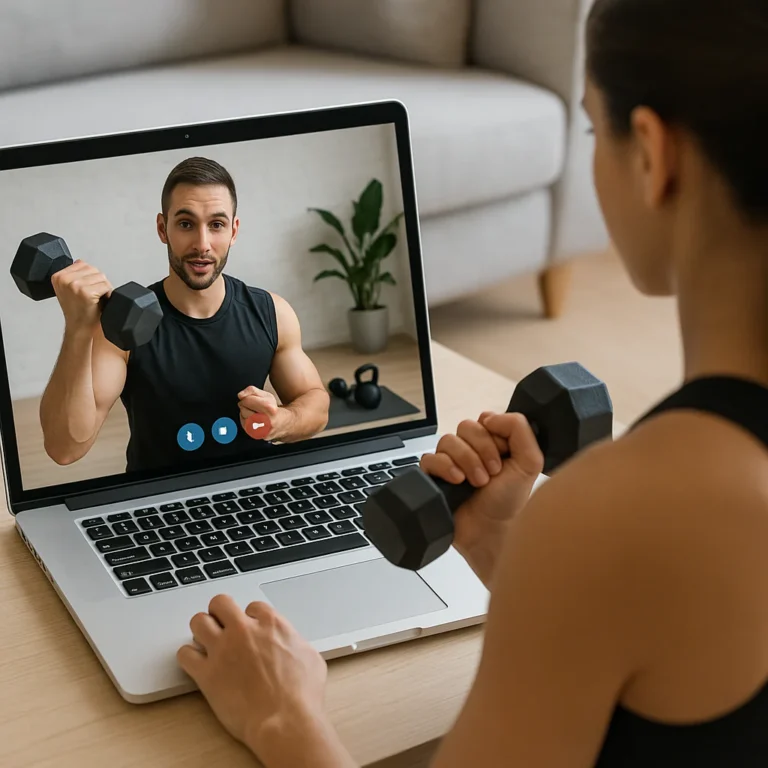
seemed like science fiction! Now, with high-speed internet, powerful video conferencing tools like Zoom and Google Meet, and sophisticated wellness platforms, connecting with clients across continents is not just possible, it’s commonplace.
This evolution has democrat
ized access to expert guidance. No longer are health and wellness services exclusive to those living near a big city or with ample free time for in-person appointments. Now, a busy parent in a rural town can connect with a board-certified health
coach specializing in postpartum wellness, or a corporate executive can squeeze in a mindful movement session between meetings. It’s truly incredible to see how technology has empowered individuals to take control of their health journeys, no matter where they are. This digital leap
has allowed us to reach more people than ever before, fostering a global community of health-conscious individuals.
🧭 Navigating the Maze: What Is Online Health and Wellness Coaching?
So, you’ve heard the term “online health and wellness coaching,” but what exactly does it entail? Is it just a fancy name for an online personal trainer?
Or is it something more? Great questions! And the answer is, it’s definitely more. While there can be overlaps, online health and wellness coaching carves out its own unique and incredibly valuable niche in the health landscape. (If you’re curious about the specifics of an online personal trainer, you can check out our detailed article on the topic here: Online Personal Trainer).
At its heart, online health and wellness coaching is a client-centered, evidence-based process that empowers individuals to develop and implement sustainable health and wellness goals. Unlike a traditional personal trainer who might focus primarily on exercise routines,
or a nutritionist who provides meal plans, a health and wellness coach acts as a guide, mentor, and accountability partner across a broader spectrum of well-being.
Think of it this way:
- **❌ A doctor
** diagnoses and treats illness. - ❌ A therapist addresses mental health conditions and past traumas.
- ❌ A personal trainer designs and supervises exercise programs.
- ❌ A nutritionist/dietitian provides
specific dietary advice and meal plans. - ✅ An online health and wellness coach helps you identify your goals, uncover your motivations, and develop your strategies for achieving optimal health across multiple dimensions of
wellness. We don’t tell you what to do; we help you discover what works best for you.
This often includes exploring areas like:
- Stress Management: Techniques for coping with daily pressures.
Sleep Hygiene: Strategies for improving sleep quality.
- Mindset & Resilience: Cultivating positive thinking and bouncing back from setbacks.
- Nutrition & Hydration: Understanding healthy eating patterns, not just restrictive diets.
Physical Activity: Finding enjoyable ways to move your body.
- Social Connections: Building supportive relationships.
- Purpose & Meaning: Connecting with your values and life goals.
The “online” aspect simply means that
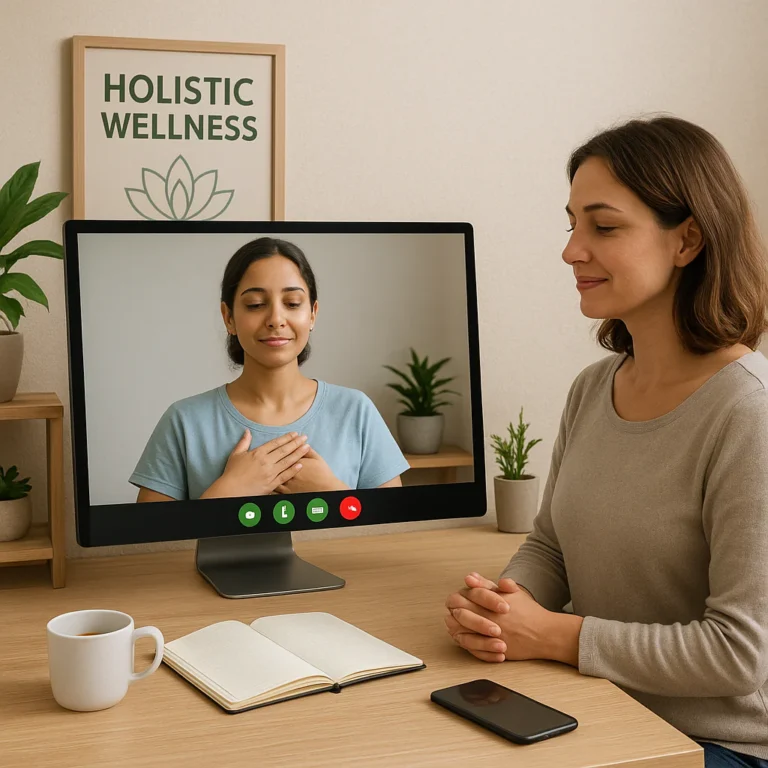
all this incredible work happens virtually, through video calls, messaging apps, and specialized coaching platforms. This allows for unparalleled accessibility and flexibility, making personalized wellness support available to anyone, anywhere. It’s about creating a supportive, confidential space where you can
explore your health aspirations and overcome obstacles, all from the comfort of your own home.
🔍 The Core Pillars of Effective Virtual Coaching
Just
like a sturdy building needs a strong foundation, effective virtual coaching relies on several core pillars. Without these, even the most well-intentioned coach might struggle to create lasting impact. We’ve learned through countless virtual sessions that these elements are absolutely
non-negotiable for success.
1. Client-Centered Communication: It’s All About YOU! 🗣️
This isn’t about us telling you what to do; it’s about deeply understanding
your world.
- Active Listening: We’re not just waiting for our turn to speak. We’re truly hearing your words, your tone, and even what’s left unsaid. This builds a foundation
of trust. - Open-Ended Questions: Instead of “Did you work out today?”, we ask, “What kind of movement felt good for your body this week, and how did it make you feel?” This encourages reflection
and deeper insight. - Empathy and Non-Judgment: Your journey is unique, and there are no “right” or “wrong” answers. We create a safe space where you feel understood and supported, free from judgment.
2. Building Trust and Rapport (Even Through a Screen!) 🤝
It might seem harder to build a connection virtually, but it’s absolutely possible!
- Consistency: Showing up on time, being prepared, and
following through on commitments builds reliability. - Authenticity: We share appropriate personal anecdotes (like our own struggles with motivation!) to show we’re human too. This makes us relatable.
- Professionalism: Maintaining
a professional demeanor, clear boundaries, and respecting confidentiality (crucial in the digital age!) are paramount. Emory University’s program, for example, emphasizes the ethics of coaching and legal factors like confidentiality and HIPAA.
3. Goal Setting & Action Planning: Your Roadmap to Success 🗺️
This is where aspirations turn into actionable steps.
- SMART Goals: We help you craft goals that are **S
**pecific, Measurable, Achievable, Relevant, and Time-bound. “I want to be healthier” becomes “I will walk 30 minutes, 4
times a week, for the next month, to improve my cardiovascular fitness.” - Small, Sustainable Steps: Big changes can be overwhelming. We break down goals into tiny, manageable actions that build momentum and confidence.
Accountability Structures: This is where we shine! We work with you to create accountability that feels supportive, not punitive. This could be weekly check-ins, shared progress trackers, or even a simple text message reminder.
- Empowerment & Self-Efficacy: Unleashing Your Inner Strength 💪
Ultimately, our goal isn’t for you to depend on us, but to empower you to become your own best health advocate.
Identifying Strengths: We help you recognize your existing strengths and resources, reminding you of past successes.
- Problem-Solving Skills: Instead of giving solutions, we guide you to find your own. “What are some ways
you could overcome this obstacle?” - Celebrating Wins: Every step forward, no matter how small, deserves recognition! This reinforces positive behaviors and builds self-belief.
These pillars, when skillfully applied in a virtual setting, transform
online coaching from a mere transaction into a profound and lasting partnership. It’s truly amazing what can be achieved when these elements come together!
🚀 7 Critical Steps to Launching Your Online Wellness Coaching Career
Thinking about becoming an online health and wellness coach? Fantastic! It’s a rewarding path where you can genuinely impact lives
. We’ve seen countless aspiring coaches, and based on our experience and insights from industry leaders, here are 7 critical steps to get you started on the right foot. This journey requires passion, dedication, and a strategic approach, much
like the advice shared in the featured video on becoming a health and wellness coach!
1. Discover Your “Why” and Define Your Niche 🎯
Before you even think about certifications, take a deep
dive into self-reflection. Why do you want to be a health and wellness coach? What’s your personal health journey? What challenges have you overcome? This “start with why” approach, as highlighted in the video,
is crucial for finding your motivation and building an authentic brand.
- Identify Your Passion: What specific area of wellness truly excites you? Is it stress management for busy professionals, nutrition for new mothers, or fitness
for active seniors? - Find Your Niche: The wellness market is vast. Specializing allows you to stand out. Instead of being a “general wellness coach,” consider being a “burnout recovery coach for tech entrepreneurs” or a ”
plant-based nutrition coach for endurance athletes.” This makes your marketing much more targeted and effective.
2. Invest in Top-Tier Education & Certification 🎓
This is arguably the most crucial step. While passion is great, **
credibility and competence** come from proper training. Don’t skimp here!
- Seek NBHWC Approved Programs: The National Board for Health & Wellness Coaching (NBHWC) sets the gold standard. Look for programs explicitly
approved by them. Graduates of NBHWC-approved programs are eligible to sit for the HWC Certifying Examination to become a National Board Certified Health & Wellness Coach (NBC-HWC). - Consider Hybrid or Online Programs: Many excellent programs, like Emory University’s 20-week hybrid online certificate program or Rowan University’s online Wellness Coaching Certificate of
Graduate Study, are designed for flexibility. They combine live online sessions with self-paced learning, perfect for those balancing existing careers. - Key Curriculum Areas: Ensure your chosen program covers essential topics like behavior change
psychology, client-centered communication, ethics, legal factors (confidentiality, HIPAA), and management of chronic conditions.
3. Cultivate and Master Essential Coaching Skills 🗣️
Certification is
just the beginning. You need to actively develop and practice the art of coaching.
- Mindful Listening: This is more than just hearing words; it’s about understanding the underlying emotions and unspoken needs.
- Powerful
Questioning: Learn to ask questions that provoke thought, insight, and self-discovery, rather than leading questions. - Motivational Interviewing: This evidence-based technique helps clients explore and resolve ambivalence about change.
Feedback & Mentorship: Seek out opportunities for mentored coaching sessions. Emory’s program, for instance, requires five mentored coaching sessions evaluated by experienced instructors. This feedback is invaluable for refining your craft.
- Build a Professional Online Presence 🌐
In the virtual world, your online presence is your storefront. This is where clients will find you and get a feel for your expertise and personality.
- Professional Website: This
is your central hub. Showcase your niche, your philosophy, client testimonials, and clear calls to action. - Social Media Strategy: Choose platforms where your ideal clients hang out (e.g., Instagram for visual content, LinkedIn for corporate wellness). Share valuable, engaging content that demonstrates your expertise and builds trust.
- Content Marketing: Create blog posts, videos, or podcasts that address your target audience’s pain points and offer solutions. This establishes you as an authority
and attracts organic traffic.
5. Network and Collaborate with Industry Peers 🤝
The wellness industry is a supportive community!
-
Join Professional Organizations: Beyond NBHWC, explore other associations related to your niche.
-
Connect with Other Coaches: Attend virtual conferences, join online forums, and participate in local meetups (if applicable). Collaboration, not competition, is key. You might even find opportunities for referrals or joint ventures.
Partner with Complementary Professionals: Think about therapists, dietitians, or fitness instructors. Cross-referrals can be a powerful growth strategy.
6. Develop Signature Coaching Programs & Packages 📦
Move beyond one-off
sessions and create structured programs that offer a clear journey and outcome for your clients.
- Define Your Offerings: What specific problems do you solve? How long does your program typically last? What are the key milestones?
Create Tiered Packages: Offer different levels of support (e.g., a foundational 3-month program, an intensive 6-month transformation, or a VIP annual mentorship). This caters to various client needs and budgets.
Highlight Benefits, Not Just Features:** Instead of saying “12 weekly calls,” say “Achieve sustainable weight loss and boost your energy with 12 weeks of personalized guidance and accountability.”
7. Master Your Marketing and Outreach
📣
Even the best coach needs clients!
- Content Marketing: Continue creating valuable content that educates and inspires.
- Email Marketing: Build an email list and nurture your audience with helpful tips and insights. This
is a powerful tool for converting leads into clients. - Testimonials & Referrals: Encourage satisfied clients to share their success stories. Word-of-mouth is incredibly potent.
- Paid Advertising (Optional): Once
you have a clear understanding of your ideal client and offer, consider targeted ads on social media or search engines.
Launching an online wellness coaching career is an exciting adventure. By following these steps and continuously refining your skills, you’ll be
well on your way to building a thriving business and making a real difference in people’s lives!
🎓 Choosing the Right Path: Accredited Training Programs vs. DIY Certifications
Alright, aspiring coaches, this is a crossroads moment! When it comes to getting certified, you’ll encounter a dizzying array of options
. On one side, you have the robust, often more expensive, accredited training programs. On the other, a plethora of DIY or less regulated certifications that might seem appealing due to their lower cost or quicker completion time. So
, how do you choose? We’re here to tell you, with absolute confidence, that accreditation is paramount.
The Allure of DIY: Why It Can Be Tempting (But Risky!) 📉
It
‘s easy to be drawn to programs that promise a “certified coach” title in a weekend or for a minimal investment. These often pop up in social media ads or through online gurus.
- ❌ Lack of Standards: Many
DIY programs lack standardized curricula, rigorous assessments, or oversight from a reputable body. This means the quality can vary wildly, and you might not be learning evidence-based practices. - ❌ Limited Scope: They often provide a superficial
understanding of complex topics like behavior change psychology, ethics, or managing client expectations. - ❌ Poor Credibility: While you might get a certificate, it won’t carry much weight with potential clients, healthcare providers, or employers
who understand the importance of genuine qualifications. Imagine a client asking, “Where did you get certified?” and your answer doesn’t instill confidence!
The Power of Accreditation: Why It’s Worth Every Penny and Every Hour ✅
This
is where the National Board for Health & Wellness Coaching (NBHWC) comes in. They are the gatekeepers of quality in our industry, ensuring that approved programs meet stringent educational and practical standards.
- 🏆 The Gold Standard: N
BHWC-approved programs, like those offered by Emory University and Rowan University, are designed to prepare you for the National Board Certified Health & Wellness Coach (NBC-HWC) exam.
This certification is widely recognized and respected. - Comprehensive Curriculum: These programs offer a deep dive into essential areas. Emory’s program, for instance, covers everything from behavior change psychology to the ethics of coaching, HIPAA, and managing chronic
conditions like diabetes and cardiovascular disease. Rowan’s curriculum includes “Wellness Coaching and Behavior Change,” “Promoting Human Wellness Across the Lifespan,” and “Obesity and Diabetes Prevention and Management.” - Evidence-Based Practices: You’ll learn techniques and approaches that are backed by scientific research, ensuring you’re providing effective and safe guidance to your clients.
- Mentored Practicum: Many accredited programs include
a crucial mentored practicum component, where you get real-world coaching experience with feedback from experienced instructors. Emory requires five such sessions! This hands-on experience is invaluable. - Enhanced Credibility &
Employability: Holding an NBC-HWC credential immediately elevates your professional standing. It signals to clients, employers, and even medical professionals that you possess a high level of competence and adhere to professional standards. The NBHWC website itself emphasizes
the benefits of working with NBC-HWCs.
Our Confident Recommendation: If you are serious about a sustainable, impactful career in online health and wellness coaching, invest in an NBHWC-
approved training program. It’s not just about getting a piece of paper; it’s about building a robust foundation of knowledge, skills, and ethical practice that will serve you and your clients for years to come. Think of it as
building a mansion vs. a shack – one is built to last, the other… well, you get the idea!
CHECK OUT NBHWC APPROVED PROGRAMS:
- NBHWC Program Directory: NBHWC Official Website
- Emory University Health and Wellness Coaching Certificate Program: Emory University Official Website
- Rowan University Wellness Coaching Certificate of Graduate Study: Rowan University Official Website
🏆 The Gold Standard: Understanding
NBC-HWC Board Certification
If you’ve spent any time researching health and wellness coaching, you’ve undoubtedly come across the acronym NBC-HWC. This isn’t just another certification; it’s the National
Board Certified Health & Wellness Coach credential, and it truly represents the gold standard in our profession. Think of it like a board-certified doctor or a licensed therapist – it signifies a level of expertise, ethical adherence, and professional rigor that sets
you apart.
What Exactly is NBC-HWC? 🤔
The National Board for Health & Wellness Coaching (NBHWC) is a non-profit organization that, in collaboration with the National Board of Medical Examiners (NBME), developed
and administers the HWC Certifying Examination. This rigorous exam assesses a coach’s knowledge and competency across a wide range of areas critical to effective coaching.
Why is it the “Gold Standard”? ✨
- Rigorous Training
Requirements: To even be eligible for the NBC-HWC exam, candidates must complete an NBHWC-approved training program. These programs are meticulously vetted to ensure they provide a comprehensive, evidence-based curriculum. As we discussed, programs like Emory
‘s and Rowan’s are prime examples, covering everything from behavior change science to ethical considerations and practical coaching skills. - Collaboration with NBME: The involvement of the National Board
of Medical Examiners, the same organization that develops licensing exams for physicians, lends immense credibility to the NBC-HWC credential. It ensures the exam is fair, valid, and truly measures competence. - Demonstrates Competence: Passing
the NBC-HWC exam isn’t easy! It requires a deep understanding of coaching principles, health and wellness knowledge, and ethical guidelines. This means an NBC-HWC has demonstrated a high level of proficiency.
Professional Recognition: Healthcare providers, employers, and increasingly, the public, recognize the NBC-HWC credential as a mark of quality. It helps integrate health and wellness coaches into the broader healthcare system, allowing for collaborations and referrals. The
NBHWC website itself highlights the benefits of working with NBC-HWCs for clients and employers.
5. Commitment to Ethics and Professionalism: NBC-HWCs adhere to a strict code of ethics
and professional conduct, ensuring clients receive respectful, confidential, and responsible care. This includes understanding the scope of practice and making appropriate referrals when necessary.
The Path to Becoming an NBC-HWC 🛣️
The
journey typically involves:
- Completing an NBHWC-Approved Program: This is your foundational education.
- Accumulating Coaching Experience: Many programs, and the NBHWC itself, require a certain
number of coaching hours (often mentored) to be eligible for the exam. - Passing the HWC Certifying Examination: This is the final hurdle to earning your board certification.
- Maintaining Certification: Like
many professional certifications, NBC-HWC requires continuing education to ensure coaches stay current with best practices and evolving research.
In an industry that can sometimes feel unregulated, the NBC-HWC credential provides a beacon
of trust and professionalism. When you see those letters after a coach’s name, you can be confident that you’re working with someone who has met the highest standards in the field. And for coaches, it’s a powerful differentiator
that opens doors to greater opportunities and impact.
💻 Mastering the Virtual Space: Tech Tools, Platforms,
and Engagement Hacks
Alright, coaches, let’s talk tech! In the world of online health and wellness coaching, your virtual toolkit is just as important as your coaching skills. Think of it this way: you wouldn’t try to build a house
with just a hammer, right? Similarly, effective virtual coaching requires the right platforms and tools to ensure seamless delivery, strong client engagement, and efficient business operations. We’ve experimented with countless platforms at Virtual Personal Trainers™, and we’ve got
some insights to share!
Essential Tech Tools for Your Virtual Coaching Arsenal 🛠️
- Video Conferencing Software: This is your virtual meeting room!
-
Zoom: Still the reigning champion for reliability
, screen sharing, and breakout rooms (great for group coaching!). It’s user-friendly and widely adopted. -
Google Meet: A solid, integrated option, especially if you and your clients are already in the Google ecosystem.
-
Microsoft Teams: Excellent for corporate wellness contracts, as many businesses already use it.
-
Key Features to Look For: High-quality video and audio, screen sharing, recording capabilities (with client consent!),
and chat functions.
- Client Management & Coaching Platforms: This is where the magic happens beyond the video call. These platforms streamline everything from scheduling to content delivery.
- Practice Better: Our personal favorite for
its all-in-one functionality. It offers scheduling, secure messaging, food journaling, program delivery, payment processing, and even telehealth features. It’s incredibly robust and designed specifically for health and wellness professionals. - Health
ie: Another fantastic option, especially popular with dietitians and health coaches. It provides similar features to Practice Better, focusing on practice management, client engagement, and telehealth. - TrueCoach: While more geared towards fitness training
, it has excellent program delivery and tracking features that can be adapted for wellness coaching, especially for the physical activity component. - MBody360: Offers comprehensive client management, content delivery, and progress tracking, with a focus on
personalized wellness plans. - What to Look For: HIPAA compliance (crucial for client data privacy!), secure messaging, scheduling integration, customizable program templates, progress tracking, and payment processing.
- Communication & Accountability
Apps: For those quick check-ins and ongoing support.
-
Voxer: A “walkie-talkie” app that allows for asynchronous voice messages, perfect for quick questions and motivational nudges between sessions.
-
Slack: Great for group coaching or creating a private community space for clients to interact and support each other.
-
WhatsApp/Signal: While convenient, be mindful of privacy and HIPAA compliance if discussing sensitive health information.
Always use secure, encrypted channels for protected health information (PHI).
- Content Creation Tools: To make your resources shine!
- Canva: For creating beautiful social media graphics, worksheets, and program guides
. - Google Docs/Sheets/Slides: Excellent for collaborative document creation, sharing resources, and simple tracking.
- Loom: For quickly recording short video explanations or tutorials for your clients.
Engagement Hacks
for a Dynamic Virtual Experience 🚀
Just because you’re not in the same room doesn’t mean you can’t create a vibrant, engaging coaching environment!
-
Interactive Sessions: Don’t just talk at your clients
. Use screen sharing to review documents together, whiteboards for brainstorming, or even share relevant videos. -
“Show and Tell”: Encourage clients to show you their pantry, their workout space, or their journaling practice (if comfortable). This adds a personal touch.
-
Micro-Challenges: Between sessions, assign small, actionable challenges that keep clients engaged and building momentum. “This week, try adding one extra serving of vegetables to dinner each night!”
-
Personalized Resources: Instead of generic handouts, create custom worksheets, recipes, or guided meditations tailored to your client’s specific needs and goals.
-
Leverage Asynchronous Communication: Use secure messaging or voice notes to provide
support and answer questions outside of scheduled calls. This makes clients feel continuously supported. -
Virtual Backgrounds (Wisely Used): A professional, clean virtual background can minimize distractions and maintain a polished image. Just avoid anything too busy
or distracting!
Mastering these tools and techniques will not only make your life as a coach easier but will also significantly enhance the client experience, leading to better results and stronger relationships. It’s about creating a seamless, supportive, and engaging virtual
journey for every single person you coach!
🤝 Building Trust Without a Handshake: The Art
of Remote Connection
“How do you build trust when you can’t even shake someone’s hand?” This is a question we hear all the time, and it’s a valid one! In a world where so much of our initial
connection relies on in-person cues, mastering the art of remote connection is absolutely vital for online health and wellness coaches. But here’s the secret: it’s not just possible, it can lead to incredibly deep and meaningful relationships. We
‘ve seen it time and again at Virtual Personal Trainers™.
Think about it: when you’re coaching virtually, the focus is intensely on your words, your expressions, and your ability to truly listen. This can actually foster a more
profound connection than some in-person interactions where distractions might be more prevalent.
Strategies for Forging Strong Virtual Bonds 🔗
- Be Present, Truly Present:
- Eye Contact (Camera Contact!): Look directly into your webcam as much as possible. It simulates eye contact and makes your client feel seen and heard. Avoid constantly looking at your own image or off-screen.
- Minimize Distractions: Close unnecessary tabs, silence
your phone, and ensure you’re in a quiet, private space. Your client deserves your undivided attention. - Active Listening on Steroids: In a virtual setting, you might miss subtle body language cues. Compensate by paraphr
asing, summarizing, and asking clarifying questions even more diligently. “So, if I’m hearing you correctly, you’re feeling overwhelmed by your current workload, and that’s impacting your sleep. Is that right?”
Create a Safe and Professional Virtual Space:
- Confidentiality is Key: Reassure clients about the privacy of your sessions and the security of your chosen platform (e.g., HIPAA-compliant client management systems). This is a non-negotiable for building trust.
- Consistent Environment: Have a consistent, professional background (whether real or virtual). This helps establish a sense of stability and professionalism.
- P
unctuality: Always start and end sessions on time. It shows respect for your client’s schedule and commitment.
- Authenticity and Vulnerability (Within Professional Boundaries):
- Be Yourself: Don’
t try to be a robot! Let your personality shine through. A genuine smile, a laugh, or a moment of shared understanding can bridge the digital divide. - Appropriate Self-Disclosure: Sharing a brief, relevant
personal anecdote (e.g., “I used to struggle with morning workouts too, until I found X strategy…”) can make you more relatable and humanize the experience. This builds rapport and shows empathy. - Embrace
Imperfection: If your internet glitches for a second or your pet walks by, acknowledge it with a smile. It shows you’re human, not a flawless AI!
- Leverage Technology for Connection, Not Just Communication
:
-
Personalized Follow-Ups: Send a quick, thoughtful message after a session, referencing something specific discussed. “Great chat today about incorporating more mindful eating! Remember that tip about savoring the first bite?”
-
Shared Resources: Use your client management platform to share relevant articles, videos, or tools that directly address their needs. This shows you’re thinking of them beyond the session.
-
Celebrate Wins Virtually: Acknowledge
progress with enthusiasm! A celebratory emoji or a heartfelt message can make a big difference.
- Set Clear Expectations and Boundaries:
- Outline the Process: Clearly explain how virtual coaching works, what clients can expect, and
what your communication protocols are between sessions. - Define Your Scope: Be transparent about what you can and cannot do as a coach. This builds trust by demonstrating integrity and preventing misunderstandings. Emory’s program specifically
emphasizes making appropriate referrals outside the scope of practice.
Building trust remotely might require a slightly different approach, but it’s incredibly rewarding. When done well, your clients will feel deeply supported, understood,
and empowered, proving that a strong connection doesn’t always need a physical handshake. It just needs a genuine heart and a skilled coach.
💰 Monetization Mastery: Pricing Models, Packages, and Scaling Your Business
Okay, let’s get down to brass tacks: how do you make a thriving business out of your passion for helping
people? Monetization mastery isn’t just about charging for your time; it’s about strategically structuring your services to provide maximum value to clients while ensuring your business is sustainable and scalable. We’ve learned a ton about what works (and what doesn’t!) at Virtual Personal Trainers™, and we’re excited to share our insights.
Beyond the Hourly Rate: Why Packages are Your Best Friend 🎁
While some coaches might start with an hourly rate, we
strongly recommend moving to package-based pricing as quickly as possible. Why?
- Client Commitment & Results: Wellness transformation doesn’t happen in a single hour. Packages encourage clients to commit for a longer duration, leading to better
adherence and, ultimately, more profound, sustainable results. This is a win-win! - Predictable Income: For you, packages mean more predictable revenue streams, allowing for better financial planning and business growth.
Perceived Value: Clients often perceive greater value in a comprehensive program designed to achieve a specific outcome, rather than just buying individual hours.
Popular Pricing Models & Packaging Strategies 📊
- The Foundational Program (e.g., 3-Month Transformation):
- Structure: This is often your entry-level, core offering. It typically includes weekly or bi-weekly 1:1 coaching calls, unlimited secure messaging support, personalized resources (worksheets, guides), and accountability check-ins.
- Benefit for Client: Enough time to establish new habits, gain momentum, and see tangible progress.
- Benefit for Coach: A solid commitment from the
client, allowing you to truly guide them through a significant change.
- The Intensive Deep Dive (e.g., 6-Month Immersion):
- Structure: Builds upon the foundational program,
offering more frequent touchpoints, deeper exploration, and potentially specialized modules (e.g., advanced stress management, habit stacking). Could include additional resources like guided meditations or exclusive workshops. - Benefit for Client: Ideal for those
with more complex goals or who desire a truly transformative experience. - Benefit for Coach: Higher revenue per client, deeper client relationships, and often leads to powerful testimonials.
- VIP or Annual Mentorship (e.g., 12-Month Partnership):
- Structure: Your premium offering. This could include higher-frequency calls, on-demand support, exclusive access to your resources, priority scheduling, and perhaps even a
personalized “welcome kit.” - Benefit for Client: The ultimate level of support and accountability for long-term health mastery.
- Benefit for Coach: Your highest-ticket item, attracting highly committed clients and
providing significant recurring revenue.
- Group Coaching Programs:
- Structure: A fantastic way to leverage your time! You coach a small group (e.g., 5-15 people) through a
specific curriculum or challenge over several weeks or months. Includes group calls, a private online community (e.g., Slack or a Facebook group), and shared resources. - Benefit for Client: More affordable than 1:1,
built-in community support, diverse perspectives. - Benefit for Coach: Scalable! You can impact more people without multiplying your one-on-one hours.
Scaling Your Business: Beyond 1:1 Coaching
🚀
Once you’ve mastered 1:1 and perhaps group coaching, how do you continue to grow without burning out?
- Online Courses & Digital Products: Create self-paced courses, e-books, meal
plan templates, or guided meditation libraries. These are “set it and forget it” income streams (after initial creation) that can reach a global audience. - Corporate Wellness Programs: Offer your expertise to businesses looking to improve employee well
-being. This can involve workshops, webinars, or even ongoing coaching services for their staff. - Affiliate Partnerships: Recommend products or services you genuinely believe in (e.g., a specific fitness tracker, a healthy meal delivery service) and earn a commission.
- Speaking Engagements: Position yourself as an expert and get paid to share your knowledge at virtual summits, conferences, or company events.
- Mentorship for Aspiring Coaches
: Once you’re established, you can guide newer coaches, offering a valuable service and another revenue stream.
The key to monetization mastery is to think strategically about the value you provide. It’s not just about the time you spend;
it’s about the transformation you facilitate. By diversifying your offerings and thinking beyond the hourly rate, you can build a robust, fulfilling, and financially rewarding online health and wellness coaching business.
⚖️ Ethics, Boundaries, and Legal Considerations in the Digital Realm
In the exciting, fast-paced world of online health and wellness coaching, it’
s easy to get swept up in the passion of helping others. But hold on a minute! Before you dive headfirst, it’s absolutely crucial to understand the bedrock of our profession: ethics, clear boundaries, and navigating the legal landscape.
This is especially vital in the digital realm where lines can easily blur. We at Virtual Personal Trainers™ can’t stress this enough – protecting your clients and yourself is paramount.
The Ethical Compass: Guiding Your Coaching Practice 🧭
Eth
ical coaching is about operating with integrity, respect, and a commitment to your client’s best interests.
- Client-Centered Approach: Always prioritize the client’s autonomy and well-being. Your role is to empower them
, not to impose your own agenda. - Confidentiality: This is non-negotiable! All client information, discussions, and progress must be kept strictly confidential. This is where using HIPAA-compliant platforms (like Practice Better or Healthie) for all client communication and data storage becomes essential. Emory University’s program explicitly covers confidentiality and HIPAA as key legal factors.
- Professionalism: Maintain
a professional demeanor in all interactions, both during sessions and in any asynchronous communication. - Non-Discrimination: Provide equitable coaching services to all, regardless of background, beliefs, or identity.
Drawing the Line: Establishing
Clear Boundaries 🚧
Boundaries are like guardrails – they keep everyone safe and the coaching relationship effective. In the online space, these can sometimes feel trickier to establish.
- Scope of Practice: This is HUGE. As
a health and wellness coach, you are NOT a doctor, therapist, registered dietitian, or licensed medical professional. You cannot diagnose, treat, prescribe medication, or offer specific medical advice. Your role is to guide, motivate, and educate within
your expertise. Emory’s curriculum emphasizes making appropriate referrals outside the scope of practice. - ✅ What you CAN do: Help clients set goals for healthy eating, suggest general exercise guidelines, provide stress
management techniques, and offer motivational support. - ❌ What you CANNOT do: Tell a client to stop taking their prescribed medication, diagnose their anxiety, or create a specific meal plan for a medical condition like diabetes (unless you are also a registered dietitian).
- Availability & Communication: Clearly communicate your working hours, expected response times for messages, and how to reach you in emergencies (or that you are not available for emergencies). Avoid 24/7
availability – you need boundaries too! - Personal vs. Professional: Maintain a professional distance. While authenticity is good, oversharing personal details or getting involved in a client’s personal life beyond the coaching context can be detrimental.
Financial Boundaries: Be transparent about your fees, payment schedules, and cancellation policies.
Navigating the Legal Landscape in the Digital Age 📜
The legal aspects of online coaching can be complex, especially with clients potentially in different states or even
countries.
-
Informed Consent: Always obtain explicit informed consent from clients before starting coaching. This document should outline the coaching process, expectations, confidentiality, your scope of practice, and emergency protocols.
-
Privacy Policies
& Data Security: Have a clear privacy policy on your website. Ensure all client data is stored securely and in compliance with relevant data protection regulations (like HIPAA in the US, or GDPR in Europe). Using secure, encrypted platforms is non-negotiable. -
Business Registration & Insurance: Register your business legally in your jurisdiction. Obtain professional liability insurance (often called “malpractice insurance” for coaches). This protects you in case a client alleges negligence or harm.
-
State
-Specific Regulations: Be aware that some states may have specific regulations regarding health coaching. While the field is largely unregulated at a federal level in the US, it’s wise to research any local requirements. -
Disclaimers: Include
clear disclaimers on your website and in your coaching agreements stating that your services are for educational and motivational purposes only and do not constitute medical advice.
Navigating these ethical and legal waters might seem daunting, but it’s a critical
part of being a responsible and successful online health and wellness coach. By prioritizing integrity, setting clear boundaries, and understanding your legal obligations, you build a practice that is not only effective but also trustworthy and sustainable. Your clients deserve nothing less.
<
a id=”-continuing-education-staying-sharp-in-a-rapidly-changing-industry”>
🌱 Continuing Education: Staying Sharp in a Rapidly Changing Industry
The world of health and wellness is a dynamic
beast! New research emerges daily, technology evolves at warp speed, and our understanding of human behavior deepens constantly. For us at Virtual Personal Trainers™, and for any serious online health and wellness coach, continuing education isn’t just a
recommendation; it’s an absolute necessity. Think of it like a smartphone – if you never update its software, it quickly becomes outdated and less effective. Your coaching skills are no different!
Why Continuous Learning is Non-Negotiable for
Coaches 🧠
- Staying Evidence-Based: The core of effective coaching lies in using evidence-based practices. New studies on nutrition, exercise science, stress physiology, and behavior change are constantly being published. Continuing education ensures your
advice and techniques are current and scientifically sound. - Adapting to New Technologies: As we discussed, technology is integral to online coaching. New platforms, apps, and digital tools emerge regularly. Staying updated helps you leverage these innovations
to enhance client experience and streamline your business. - Expanding Your Expertise & Niche: Perhaps you started as a general wellness coach, but now you’re seeing a growing need for support in, say, gut health or mindful
eating. Continuing education allows you to specialize further, deepen your knowledge in specific areas, and attract a more targeted clientele. - Maintaining Credibility & Certification: For NBC-HWCs, continuing education is a requirement to maintain your
board certification. The NBHWC provides resources and opportunities for ongoing professional development precisely for this reason. This ensures that certified coaches remain at the forefront of the profession. - Preventing Burnout &
Fostering Innovation: Learning new things keeps your own passion alive! Exploring new modalities, engaging with different perspectives, and challenging your own assumptions can prevent stagnation and spark fresh ideas for your coaching practice.
A Smorgasbord of
Learning Opportunities 📚
The beauty of the digital age is the sheer volume of accessible learning opportunities:
- NBHWC-Approved Continuing Education: Always check the NBHWC website for approved continuing education providers and courses. These
are guaranteed to meet the standards required for maintaining your certification. - Advanced Certifications: Consider pursuing additional certifications in specialized areas like functional nutrition, positive psychology, sleep coaching, or specific fitness modalities if
relevant to your niche. - Workshops & Webinars: Many reputable organizations offer online workshops and webinars on specific coaching skills, business development, or niche health topics.
- Conferences & Summits: Attend virtual (or in-person, if feasible) industry conferences. These are fantastic for networking, learning about emerging trends, and getting inspired by thought leaders.
- Academic Courses: For a deeper dive, consider graduate-level courses or certificates
in related fields like public health, exercise science, or psychology. Rowan University’s Wellness Coaching Certificate can even be credited toward a Master of Arts in Wellness and Lifestyle Management! - Books, Journals & Podcasts:
Never underestimate the power of self-directed learning. Subscribe to reputable scientific journals, read industry-leading books, and listen to podcasts from experts in your field. - Mentorship & Peer Supervision: Engaging in mentorship relationships or peer supervision groups
allows you to learn from experienced coaches, discuss challenging client scenarios, and gain new perspectives.
Our advice? Create a personal development plan. Set aside dedicated time each month or quarter for learning. It’s an investment not just in your business
, but in your own growth and passion for helping others. The more you learn, the more effective and impactful you become, and that’s a win for everyone!
👥 Finding Your Tribe: Communities, Mentorship, and Networking for Coaches
Ever feel like you’re on a deserted island, even with a thriving online coaching business? You
‘re not alone! While online coaching offers incredible flexibility, it can also feel isolating if you don’t actively seek out your “tribe.” At Virtual Personal Trainers™, we’ve learned that surrounding ourselves with fellow professionals, mentors, and
a supportive community is not just nice to have – it’s essential for growth, resilience, and preventing burnout.
Think of it like this: even the most seasoned athletes have coaches and teammates. Why should coaches be any different?
The Power of Community: Why You Need Your People 🫂
- Shared Experiences & Support: Who better to understand the unique challenges and triumphs of online coaching than other online coaches? From navigating tricky client situations to celebrating
business milestones, a community provides invaluable empathy and support. - Problem-Solving & Brainstorming: Stuck on a marketing strategy? Unsure about how to handle a specific client boundary? Your community can offer diverse perspectives, practical solutions
, and fresh ideas you might not have considered. - Accountability & Motivation: Just like you provide accountability for your clients, a peer group or mastermind can hold you accountable to your own business goals, keeping you motivated and
on track. - Referrals & Collaboration: Networking isn’t just about making friends; it’s about building professional relationships that can lead to client referrals, joint ventures, and exciting collaborations. Imagine co-hosting a webinar
with a coach whose niche complements yours! - Preventing Isolation: Entrepreneurship, especially solo online entrepreneurship, can be lonely. A strong community combats this, fostering a sense of belonging and shared purpose.
Where
to Find Your Coaching Tribe 📍
- Professional Organizations:
- NBHWC Community: The National Board for Health & Wellness Coaching offers resources for community connections among certified professionals.
This is a prime place to connect with other NBC-HWCs who share your commitment to high standards. - International Coaching Federation (ICF): While broader than just health and wellness, ICF is a globally recognized coaching body
with local chapters and online forums.
- Online Forums & Social Media Groups:
- Facebook Groups: Search for private Facebook groups dedicated to health and wellness coaches, specific niches (e.g., “Functional Nutrition Coaches”), or online business owners. Look for active, moderated groups that prioritize value over self-promotion.
- LinkedIn Groups: Professional groups on LinkedIn can be excellent for networking, especially if you’re targeting corporate wellness clients.
- Masterminds & Peer Supervision Groups:
- These are smaller, more intimate groups of coaches who meet regularly to discuss challenges, share strategies, and hold each other accountable. They often require a higher level of commitment but
offer profound benefits. - Consider forming your own with a few trusted colleagues!
- Mentorship Programs:
- Formal Mentorship: Some coaching programs or organizations offer formal mentorship opportunities where experienced coaches guide newer ones
. - Informal Mentorship: Seek out coaches you admire and respectfully ask if they’d be open to a brief informational interview or occasional guidance. Remember to always offer value in return!
- Con
ferences & Webinars (Virtual & In-Person):
- These events are goldmines for networking. Don’t just attend the sessions; actively participate in Q&A, join virtual breakout rooms, and connect with speakers
and other attendees on LinkedIn afterward.
Finding your tribe isn’t about collecting business cards; it’s about building genuine relationships. Be authentic, be generous with your insights, and be open to learning from others. The connections you forge
will not only enrich your professional life but also provide the unwavering support you need to thrive as an online health and wellness coach.
🔎 How to Hire or Find the Perfect Online Wellness Coach for Your Needs
Okay, so you’re convinced! You understand the power of online health and wellness coaching, and you’re
ready to embark on your own transformative journey. But with so many coaches out there, how do you find “the one”? It can feel a bit like searching for a needle in a haystack, right? Don’t worry, we at
Virtual Personal Trainers™ are here to equip you with the ultimate guide to finding the perfect online wellness coach for your unique needs and goals. This isn’t just about finding a coach; it’s about finding *your
- coach.
1. Define Your Goals and Needs First 🎯
Before you even start looking, get crystal clear on what you want to achieve.
- What are your primary health and wellness goals? (e.g., stress reduction, weight management, improved sleep, better energy, managing a chronic condition).
- What kind of support do you need? (e.g., accountability, motivation, education, emotional support, a gentle nudge, or a firm push).
- What’s your preferred coaching style? (e.g., empathetic and nurturing, direct and action-oriented, holistic, spiritual, science-based).
- What
are your non-negotiables? (e.g., specific certifications, experience with a particular condition, cultural understanding).
2. Prioritize Board Certification: Look for NBC-HWC 🏆
This is our strongest recommendation. Just
like you’d seek a board-certified doctor, look for a National Board Certified Health & Wellness Coach (NBC-HWC).
- Why it matters: This credential signifies that the coach has met rigorous training standards
, passed a comprehensive exam developed in collaboration with the National Board of Medical Examiners, and adheres to a strict code of ethics. It’s a mark of quality and competence. The NBHWC website itself provides a mechanism to discover qualified NBC-
HWCs for client needs. - Where to find them: The NBHWC website has a “Find a Coach” directory that allows you to search for certified coaches. This is an
excellent starting point!
3. Research, Research, Research! 🕵️ ♀️
Once you have a few potential coaches in mind, dig a little deeper.
- Visit Their Websites: Look
for clear information about their coaching philosophy, their approach, their niche, and their client testimonials. Do their values align with yours? - Check Social Media: Get a feel for their personality and content. Do they share valuable insights? Do
they engage with their audience? - Read Reviews & Testimonials: What are past clients saying about their experience? Look for specific examples of positive outcomes.
4. Schedule Discovery Calls (Often Free!) 📞
Most reputable
coaches offer a complimentary “discovery call” or “consultation.” This is your chance to:
- Ask Questions: Inquire about their coaching process, how they handle accountability, their experience with clients like you, and their preferred
communication methods. - Assess Compatibility: Do you feel a connection? Do they listen attentively? Do they make you feel understood and hopeful? This “gut feeling” is incredibly important for a successful coaching relationship.
- Understand Their
Offerings: Get clarity on their coaching packages, what’s included, and the expected duration of the program. (Remember, good coaches typically offer packages, not just hourly rates).
5. Consider Their Niche and Special
ization 🧐
While a general wellness coach can be great, a coach specializing in your specific area of need can be even more effective.
- Example: If you’re struggling with chronic stress and burnout as a corporate professional
, a coach specializing in “executive wellness” or “burnout recovery” might have more tailored strategies and a deeper understanding of your challenges. - Balance of Perspectives: A good coach will acknowledge their expertise while also being transparent about
when to refer you to another professional (e.g., a doctor or therapist) if your needs fall outside their scope of practice.
6. Inquire About Technology & Logistics 💻
Since it’s online coaching, ensure
their tech setup and logistical approach work for you.
- Platforms: What video conferencing tools do they use? What client management platform do they use for communication, resources, and tracking?
- Communication: How do they
handle communication between sessions? (e.g., secure messaging, email, voice notes). - Scheduling: Is their scheduling system easy to use and does it fit your time zone and availability?
Finding the right online health and wellness coach is
a personal journey, but by following these steps, you’ll significantly increase your chances of finding a skilled, ethical, and perfectly matched partner to guide you towards your best self. It’s an investment in you, and it’s absolutely
worth the effort!
📊 Client Success Stories: Real Transformations from Screen to Soul
At Virtual Personal Trainers™, we
‘ve had the immense privilege of witnessing countless transformations, not just in bodies, but in minds and spirits. These aren’t just numbers on a scale or checkmarks on a to-do list; they’re profound shifts in how
people live, feel, and interact with the world. It’s what makes us jump out of bed every morning (well, maybe after a strong cup of coffee! ☕). While we protect our clients’ privacy, we want to share some composite
stories that reflect the real-life magic that happens when commitment meets expert online coaching.
Sarah’s Journey: From Burnout to Balance 🧘 ♀️
Sarah, a 38-year-old marketing executive, came to us feeling utterly
depleted. Juggling a demanding career, two young children, and a never-ending to-do list, she was constantly running on fumes. Sleep was a luxury, healthy eating was a distant memory, and her stress levels were through the
roof. She felt guilty for not being “enough” and was skeptical that online coaching could truly help.
The Challenge: Overwhelm, chronic fatigue, emotional eating, and a complete lack of self-care.
The Coaching
Approach: We started by exploring Sarah’s deepest values and what “balance” truly meant to her. We implemented small, sustainable changes: a 5-minute morning meditation using the Calm app, scheduling “non-negotiable”
15-minute breaks in her workday, and focusing on one simple, nourishing meal per day. We used a secure client portal to track her sleep patterns and energy levels, identifying triggers for her exhaustion.
The Transformation: Over
six months, Sarah didn’t just reduce her stress; she fundamentally shifted her relationship with it. She learned to set boundaries at work, delegated tasks at home, and rediscovered the joy of cooking healthy meals with her kids. Her sleep improved dramatically, and
she found renewed energy for her family and even started a gentle yoga practice. “I thought I needed a vacation,” she once told us, “but what I really needed was someone to help me find my own internal pause button. This coaching
has given me my life back.”
Mark’s Victory: Conquering the Couch Potato Syndrome 🏃 ♂️
Mark, a 52-year-old accountant, had always been “meaning to get fit.” He knew
he needed to exercise and eat better, but years of sedentary habits and failed gym memberships had left him feeling defeated. He was pre-diabetic, his doctor was urging lifestyle changes, and he felt overwhelmed by where to start.
The
Challenge: Lack of motivation, inconsistent exercise, unhealthy eating habits, and fear of failure.
The Coaching Approach: We focused on building a foundation of small, achievable wins. Instead of a grueling gym routine, we started with daily
15-minute walks around his neighborhood, tracking his steps with his Apple Watch. We explored his favorite healthy foods and found simple swaps for his usual high-sugar snacks. We used motivational interviewing techniques to uncover his intrinsic reasons for wanting to change
– his desire to play with his grandchildren and hike with his wife.
The Transformation: Within four months, Mark had not only reversed his pre-diabetic status but had also lost a significant amount of weight. More importantly, he had
developed a genuine love for movement. He upgraded from walking to light jogging, discovered a passion for cycling, and even started experimenting with new healthy recipes. “I never thought I could be ‘that guy’ who enjoys exercise,” Mark shared, beaming
. “My coach helped me see that fitness isn’t about perfection; it’s about progress, and finding what makes you feel good.”
Emily’s Breakthrough: Fueling Her Entrepreneurial Spirit 💡
Emily, a
29-year-old startup founder, was brilliant but constantly sacrificing her well-being for her business. She’d pull all-nighters, live on takeout, and experience intense anxiety. She knew her health was suffering,
but felt she couldn’t afford to slow down.
The Challenge: Extreme work-life imbalance, poor nutrition, high anxiety, and neglecting self-care.
The Coaching Approach: We worked with Emily to integrate “micro
-wellness habits” into her demanding schedule. This included setting alarms for hydration breaks, batch-prepping healthy snacks on Sundays, and implementing a “digital sunset” to wind down before bed. We also explored mindfulness techniques to manage her anxiety during
high-pressure moments.
The Transformation: Emily discovered that prioritizing her health actually boosted her productivity and creativity. She found she had more sustained energy, clearer focus, and felt more resilient when facing business challenges. Her anxiety significantly
decreased, and she learned to celebrate small victories in both her business and her well-being. “My coach helped me realize that taking care of myself isn’t a luxury; it’s a strategic advantage,” Emily explained. “My
business is thriving because I am thriving.”
These stories are just a glimpse into the profound impact online health and wellness coaching can have. It’s about meeting people where they are, understanding their unique struggles, and empowering them to unlock
their own incredible potential for health and happiness.
🛠️ Troubleshooting Common Pitfalls in Virtual Coaching
Even with the best intentions and
the most cutting-edge tools, the path of online health and wellness coaching isn’t always smooth sailing. We’ve certainly hit our share of bumps at Virtual Personal Trainers™! But here’s the good news: most common pitfalls are entirely
avoidable or manageable with a little foresight and strategic thinking. Let’s troubleshoot some of the trickiest situations you might encounter, both as a coach and as a client.
For Coaches: Navigating the Digital Rapids 🌊
Tech Troubles: “Can You Hear Me Now?” 🔇
-
The Pitfall: Dropped calls, frozen screens, audio issues, or clients struggling to use the platform. This can disrupt flow and erode trust.
-
The Fix:
-
Redundancy is Your Friend: Always have a backup plan (e.g., phone call if video fails).
-
Pre-Session Check-ins: Encourage
clients to test their tech before the first session. Send a simple “Tech Checklist” email. -
Invest in Good Equipment: A reliable webcam, microphone (like a Blue Yeti or Rode NT-USB Mini), and a strong
internet connection are non-negotiable. -
Patience & Grace: If issues arise, handle them calmly and professionally. A little humor can go a long way!
- Client Disengagement: The Ghost
ing Phenomenon 👻
- The Pitfall: Clients missing sessions, not completing homework, or becoming unresponsive to messages.
- The Fix:
- Clear Expectations Upfront: During
the discovery call and in your coaching agreement, clearly outline expectations for participation, communication, and accountability. - Check-in Early & Often: If you notice a dip in engagement, reach out proactively with a supportive message. ”
Hey [Client Name], just checking in. How are things going this week? Is there anything I can help with?” - Re-evaluate Goals: Sometimes disengagement stems from goals that are no longer motivating or feel overwhelming. Re
visit and adjust them with the client. - Offer Flexibility: Life happens! If a client needs to reschedule, be understanding within your stated cancellation policy.
- Boundary Blurring: The “Always On” Trap
📱
- The Pitfall: Clients expecting 24/7 access, sending messages at all hours, or trying to turn coaching into therapy.
- The Fix:
- Set
Firm Boundaries from Day One: Clearly communicate your availability, response times, and communication channels in your onboarding materials and verbally. - “Office Hours”: Consider setting specific “office hours” for messaging support.
Redirect Appropriately: If a client veers into topics outside your scope (e.g., deep-seated trauma), gently but firmly redirect and offer referrals to appropriate licensed professionals. “That sounds like a really significant challenge, and I
want to ensure you get the best support for it. I recommend speaking with a licensed therapist who specializes in that area.”
- Information Overload: Drowning in Data 🌊
- The Pitfall
: Bombarding clients with too much information, too many resources, or overly complex tracking. - The Fix:
- Keep It Simple: Focus on one or two key actions or pieces of information per session
. - Personalize Resources: Only provide resources that are directly relevant to the client’s current goals and learning style.
- Check for Understanding: Always ask, “What’s one thing you’ll take away
from our session today?” or “How will you apply this information this week?”
For Clients: Making the Most of Your Virtual Journey 🚀
- Lack of Connection: “It Just Doesn’t Feel Personal” 🤷
♀️
- The Pitfall: Feeling disconnected from your coach or struggling to build rapport through a screen.
- The Fix:
- Communicate Your Feelings: Tell your coach! A
good coach will want to know and will adjust their approach. - Engage Actively: Turn on your camera, participate fully, and be open. Your energy contributes to the connection too.
- Give
It Time: Building trust takes time, especially virtually. Don’t give up after one session.
- Motivation Slump: “I Just Can’t Get Started” 😴
-
The Pit
fall: Feeling unmotivated, overwhelmed, or struggling to implement the coaching advice. -
The Fix:
-
Be Honest with Your Coach: This is what they’re there for! Share your struggles openly
. -
Revisit Your “Why”: Remind yourself of your core motivations for seeking coaching.
-
Break It Down: Work with your coach to break goals into even smaller, more manageable steps.
-
Celebrate Small Wins: Acknowledge every tiny step forward.
- Technical Difficulties: “My Internet is Acting Up!” 😩
- The Pitfall: Your own tech issues disrupting
sessions or preventing you from accessing resources. - The Fix:
- Test Your Equipment: Do a quick check of your internet, webcam, and microphone before each session.
- Have a Backup:
Know how to switch to a phone call if video isn’t working. - Communicate Early: If you anticipate an issue, let your coach know as soon as possible.
By being aware of these common pitfalls and having strategies
in place to address them, both coaches and clients can ensure a smoother, more effective, and ultimately more rewarding online health and wellness coaching experience. It’s all part of the digital adventure!
🔮 The Future of Health: AI, Wearables, and the Next Frontier
Hold onto your resistance bands, folks, because the future of health and wellness
coaching is hurtling towards us at warp speed! We’re talking about a landscape where artificial intelligence (AI), advanced wearables, and personalized genomics aren’t just buzzwords, but integral components of how we understand and optimize human well-being. At
Virtual Personal Trainers™, we’re not just observing these trends; we’re actively exploring how to integrate them ethically and effectively into our practice to serve you better.
So, what does this exciting “next frontier” look like?
1
. The Rise of AI-Powered Personalization 🤖
Imagine an AI that analyzes your sleep patterns from your Oura Ring, your activity levels from your Garmin, your food diary entries, and even your mood fluctuations from a journaling
app.
- Hyper-Personalized Insights: This AI could then identify subtle patterns and offer insights far beyond what a human coach could process alone. It might suggest, “Based on your data, reducing screen time by 3
0 minutes before bed on Tuesdays and Thursdays correlates with a 15% increase in deep sleep.” - Smart Goal Setting: AI could help refine goals, making them even more SMART (Specific, Measurable, Achievable, Relevant, Time-bound) by factoring in your unique physiological and behavioral data.
- Automated Nudges & Support: While AI won’t replace human connection, it could provide intelligent, timely nudges and reminders, acting
as a constant, supportive presence between human coaching sessions. Think of it as your virtual accountability buddy that never sleeps! - Ethical Considerations: The big question here is data privacy and ethical AI use. How do we ensure these
powerful tools are used to empower, not surveil, and that client data remains secure and confidential? This will be a critical area of development and regulation.
2. Wearable Technology: Beyond Step Counts ⌚
Wear
ables are already ubiquitous, but their capabilities are rapidly expanding.
- Advanced Biometric Tracking: Future wearables will likely offer even more sophisticated tracking of metrics like continuous glucose monitoring (CGM) for non-diabetics, advanced
heart rate variability (HRV) analysis, real-time stress indicators, and even subtle changes in body composition. - Predictive Health: Instead of just reporting what happened, wearables will become more adept at predicting potential health issues,
allowing for proactive intervention. “Your HRV has been consistently low for three days, indicating increased stress. Perhaps a mindful breathing session is in order?” - Seamless Integration: Expect even more seamless integration between wearables, coaching platforms, and even
electronic health records, creating a holistic view of your health journey.
3. Genomics & Microbiome Data: The Ultimate Personalization 🧬
This is where true personalization gets fascinating.
- Nutr
igenomics: Understanding how your unique genetic makeup influences your response to different foods and nutrients. Coaches could use this data to help clients make truly personalized dietary choices. - Microbiome Insights: Analyzing your gut microbiome could provide insights into digestion
, immunity, mood, and even metabolic health, leading to highly targeted interventions. - Ethical Dilemmas: This frontier also brings significant ethical considerations regarding genetic privacy, potential for discrimination, and ensuring that this complex data is interpreted
and communicated responsibly by coaches.
4. Virtual Reality (VR) & Augmented Reality (AR) for Immersive Wellness 🌐
Imagine stepping into a VR environment for a guided meditation in a serene forest, or using
AR to overlay real-time biofeedback onto your reflection during a yoga session.
- Immersive Experiences: VR/AR could create highly engaging and personalized wellness experiences, from virtual fitness classes with real-time feedback to immersive stress-
reduction environments. - Skill Practice: Coaches could use VR/AR to help clients practice new skills in a safe, simulated environment, like navigating a stressful social situation or practicing mindful eating in a virtual restaurant.
The Human
Element: Still Irreplaceable ❤️
While these technologies are incredibly powerful, here’s what we firmly believe at Virtual Personal Trainers™: the human coach will remain irreplaceable. AI can analyze data, but it can’t offer empathy, deep
understanding, intuitive guidance, or the nuanced human connection that drives true transformation. Technology will be a phenomenal tool in the coach’s arsenal, allowing us to be even more effective, personalized, and impactful.
The future of health and wellness coaching
is not about technology replacing humans; it’s about technology empowering humans – both coaches and clients – to achieve unprecedented levels of well-being. It’s an exciting time to be alive, and we’re thrilled to be
part of this evolving journey with you!