Support our educational content for free when you purchase through links on our site. Learn more
Can Remote Trainers Customize Plans? The 2026 Truth 🏋️ ♂️


Forget the static PDFs of the past; the question isn’t if remote personal trainers can customize your workout, but how deeply they can dive into your unique physiology without ever shaking your hand. We’ve seen clients transform from “gym-timidated” beginners to powerlifting pros, all guided by a screen, because the right digital coach uses your sleep data, video form checks, and real-time feedback to pivot your plan faster than you can change your mind. But beware: not all “remote” services are created equal, and we’ll reveal the 7 critical red flags that separate true bespoke programming from generic copy-paste templates later in this guide.
Key Takeaways
- True customization is 100% possible when your trainer utilizes a dynamic feedback loop involving video analysis, biometric data, and daily check-ins.
- Avoid “template peddlers” who send static plans; look for coaches who adjust your sets, reps, and exercises based on your real-time performance and recovery.
- Remote often beats in-person for data depth, as digital coaches monitor your sleep, stress, and heart rate 24/7, not just during your 60-minute session.
- Vetting is crucial: Ensure your potential coach holds top-tier certifications (like NASM or ACE) and uses secure platforms like Everfit or Trainerize for personalized communication.
Table of Contents
- ⚡️ Quick Tips and Facts
- 🕰️ The Evolution of Remote Coaching: From Fax Machines to AI Algorithms
- 🤔 Can Remote Personal Trainers Actually Customize Workout Plans? The Definitive Answer
- 🛠️ How Customization Works: The Digital Toolkit Behind Your Personalized Plan
- 📋 7 Critical Factors That Determine How Well Your Remote Plan is Tailored to You
- 🆚 Remote vs. In-Person Training: A Deep Dive into Personalization Capabilities
- 📱 Top Platforms and Apps for Customized Remote Training Plans
- 🧩 5 Common Myths About Online Fitness Customization Debunked
- 📊 The Science of Adaptation: How Remote Trainers Adjust Your Plan Over Time
- 💬 Real Client Stories: When Customization Changed the Game
- 🚀 How to Vet a Remote Trainer to Ensure They Offer True Customization
- 🌍 Global Perspectives: Customization Trends in the US, Europe, and Asia Pacific
- 🔒 Data Privacy and Security in Remote Training Platforms
- 📈 Future Trends: AI, Wearables, and the Next Level of Personalized Fitness
- ✅ Conclusion
- 🔗 Recommended Links
- 📚 Reference Links
⚡️ Quick Tips and Facts
Before we dive into the digital deep end, let’s get some fast facts on the board. You’re wondering if a trainer you’ve never met in person can actually tell the difference between your “max effort” and your “I just want to sit on the couch” effort. Here’s the lowdown:
- ✅ True Customization is Possible: High-end remote trainers use biometric data, video form checks, and daily feedback to pivot your plan faster than a TikTok trend.
- ❌ Beware the “PDF Peddlers”: If someone sends you a static 4-week plan with no follow-up, that’s not a remote personal trainer; that’s a digital pamphlet.
- 📈 The Data Edge: Remote coaches often have more data on you (sleep, steps, heart rate) than an in-person trainer who only sees you for 60 minutes.
- 🧠 Behavioral Science: According to the National Academy of Sports Medicine (NASM), the best remote plans focus on behavior change, not just sets and reps.
- ⚖️ The “Middle Road” Strategy: As discussed in the featured video, the most effective programming avoids both “winging it” and “over-programming” in favor of flexible phasing.
🕰️ The Evolution of Remote Coaching: From Fax Machines to AI Algorithms
We’ve come a long way from the 1980s, when “remote training” meant popping a Jane Fonda VHS into the player and hoping your leg warmers didn’t cut off your circulation. Back then, “customization” was just choosing between high-impact or low-impact aerobics.
In the early 2000s, we saw the rise of the “Email Trainer.” You’d send a check, and they’d fax (yes, fax) you a workout sheet. It was impersonal, clunky, and about as flexible as a frozen yoga mat.
Fast forward to today, and the Fitness Industry News is dominated by apps that sync with your Apple Watch and Whoop strap. We’ve transitioned from static content to dynamic, living ecosystems. Today’s remote personal trainers are essentially data scientists with better biceps, using real-time metrics to ensure your plan evolves as you do.
🤔 Can Remote Personal Trainers Actually Customize Workout Plans? The Definitive Answer
The short answer? Yes, absolutely. But—and this is a “Kardashian-sized” but—it depends entirely on the human behind the screen.
As the team at Kickoff Personal Training points out, an “expert human coach is able to customize your fitness plan infinitely more than any automated app.” While an algorithm can tell you to do 10 pushups, a remote trainer like those at the Remote Performance Academy (RPA) will ask, “How did your shoulder feel during those pushups?” and adjust the next set to an incline version if you report discomfort.
However, we have to be honest: not all remote training is created equal. Some users on platforms like Kickoff have complained that “same workouts are copy-pasted every week.” This highlights a critical divide in the industry: Template-based coaching vs. True Bespoke Programming.
Our Verdict: True customization exists when there is a feedback loop. If your trainer isn’t asking for your feedback or reviewing your video form, they aren’t customizing; they’re just distributing.
🛠️ How Customization Works: The Digital Toolkit Behind Your Personalized Plan
How do we actually do it without being in the room? It’s not magic; it’s a systematic approach to data collection and communication.
1. The Deep-Dive Discovery Call
Before a single weight is lifted, a pro coach (like those at RPA) conducts an intake call. We look at:
- Injury History: That “tweak” you felt in 2012 matters.
- Equipment Inventory: Do you have a full Rogue Fitness garage gym or just a pair of dusty kettlebells?
- Psychological Profile: Do you need a “drill sergeant” or a “nurturing cheerleader”?
2. Video Form Analysis
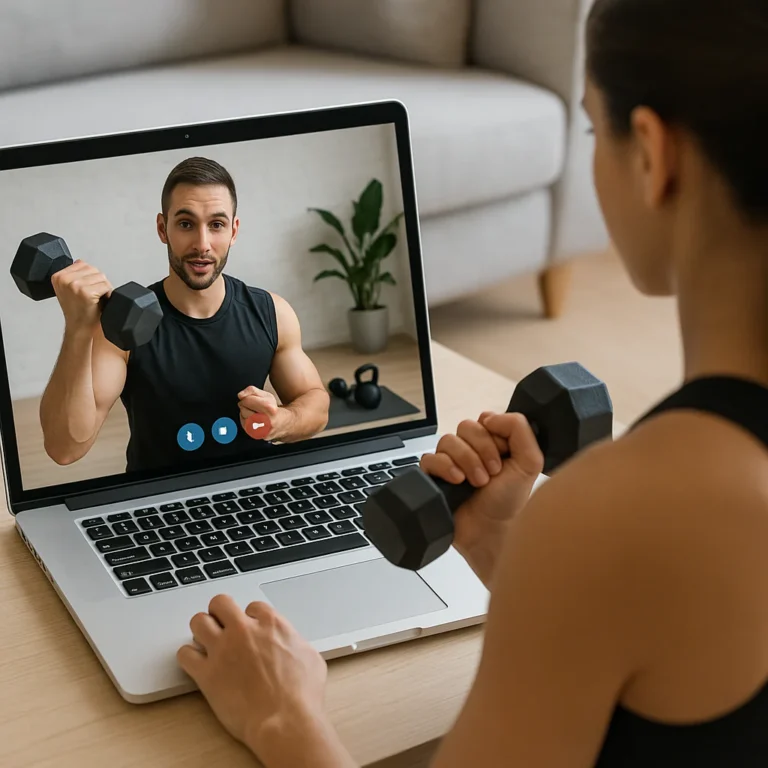
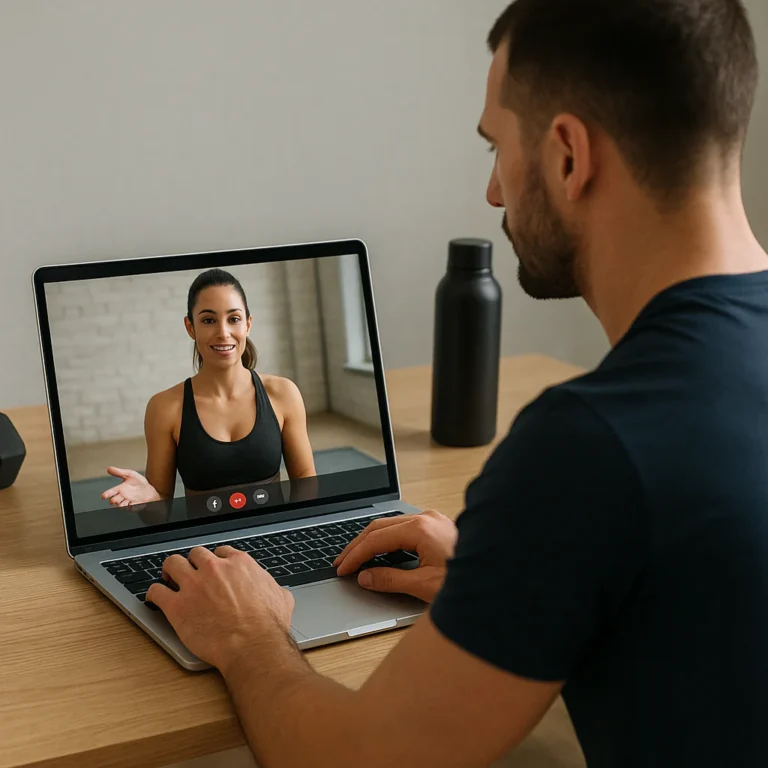
This is where the “remote” part gets real. You record yourself performing a squat, upload it to a platform like TrueCoach or Everfit, and we break it down frame-by-frame. We can see if your knees are caving or if your lumbar spine is rounding just as clearly as if we were standing there.
3. Biometric Integration
By linking your Fitbit or Garmin to our dashboard, we see your resting heart rate and sleep quality. If we see you only slept 4 hours, we might send a text saying, “Hey, let’s swap today’s heavy deadlifts for a recovery flow.” That is true customization.
👉 Shop Essential Remote Training Gear on:
📋 7 Critical Factors That Determine How Well Your Remote Plan is Tailored to You
If your trainer isn’t asking about these seven things, they are giving you a “one-size-fits-all” suit that’s going to itch.
| Factor | Why It Matters | How We Customize It |
|---|---|---|
| Equipment | You can’t do cable flys with a resistance band. | We swap exercises based on your specific gym setup. |
| Schedule | A 6-day split is useless if you’re a busy CEO. | We build “minimum effective dose” workouts for busy days. |
| Anatomy | Long femurs change how you should squat. | We adjust foot stance and depth based on your limb length. |
| Menstrual Cycle | Hormonal shifts affect strength and recovery. | We “cycle sync” intensity to match your energy levels. |
| Nutrition | You can’t out-train a bad diet. | We integrate with MyFitnessPal to align macros with output. |
| Stress Levels | High cortisol kills gains. | We pivot to “de-load” weeks when work gets crazy. |
| Goal Specificity | “Getting fit” is too vague. | We use the OPT™ model from NASM to phase your training. |
🆚 Remote vs. In-Person Training: A Deep Dive into Personalization Capabilities
Is remote training actually better at customization than in-person? It’s a bold claim, but let’s look at the tape.
In-Person Training:
- ✅ Pros: Immediate tactile cues, high-energy environment, social interaction.
- ❌ Cons: Limited to the equipment at that specific gym, high cost per hour, rigid scheduling.
Remote Training:
- ✅ Pros: Access to world-class experts regardless of geography, 24/7 accountability via text, significantly more affordable for daily guidance.
- ❌ Cons: Requires self-discipline, no one to physically spot you on a heavy bench press.
The NASM Resource Center notes that remote trainers can reach a global client base, allowing them to specialize. If you have a very specific niche—say, “Post-partum Powerlifting”—you’re more likely to find a customized expert online than at your local big-box gym.
📱 Top Platforms and Apps for Customized Remote Training Plans
We’ve tested the heavy hitters. Here is how they stack up in the realm of True Customization.
Fitness App Comparison Ratings
| App Name | Customization | Interaction | Tech Integration | Value for Money | Overall Rating |
|---|---|---|---|---|---|
| Kickoff | 7/10 | 9/10 | 8/10 | 9/10 | 8.2 |
| Future | 9/10 | 9/10 | 10/10 | 7/10 | 8.8 |
| Trainwell | 8/10 | 8/10 | 9/10 | 8/10 | 8.3 |
| Everfit | 9/10 | 7/10 | 9/10 | 9/10 | 8.5 |
Kickoff Personal Training
Kickoff excels at the human connection. They use a matching questionnaire to find your “perfect coach.” While some users report “monotonous” texts, the ability to have a Registered Dietitian and a trainer in one app is a massive win for holistic customization.
- Check it out: Kickoff Official Website | Apple App Store
Future Pro: Personal Training
Future is the “Gold Standard” for tech-savvy trainees. They ship you an Apple Watch if you don’t have one. The customization is elite because the trainers see your heart rate live as you work out.
- Check it out: Future Official Website
Trainwell (formerly CoPilot)
Trainwell uses AI to assist the human coach. The app can actually “count your reps” using your phone’s camera, providing a layer of customization that ensures you aren’t cheating your range of motion.
- Check it out: Trainwell Official Website
🧩 5 Common Myths About Online Fitness Customization Debunked
Let’s clear the air. We hear these excuses in our DMs every day at Virtual Personal Trainers™.
- “It’s just a robot sending me messages.” ❌ Wrong. While some cheap apps use bots, premium services use real humans. If your trainer mentions your dog by name, it’s not a bot—it’s a coach who cares.
- “They can’t see my form.” ❌ Wrong. Video analysis is often better than in-person because we can re-watch it, draw on the screen, and compare it to previous weeks.
- “I’ll get bored with the same routine.” ❌ Wrong. A customized plan uses Progressive Overload. As the featured video explains, we change variables (sets, reps, weight) every session to keep your body guessing.
- “It’s only for experts.” ❌ Wrong. Remote training is actually a secret weapon for beginners who feel “gym-timidated.” You get expert guidance in the privacy of your home.
- “I won’t be motivated without someone standing over me.” ❌ Maybe. This is where Fitness Motivation comes in. A remote coach provides daily accountability, whereas an in-person trainer only cares when you’re on the clock.
📊 The Science of Adaptation: How Remote Trainers Adjust Your Plan Over Time
In the featured video, the presenter discusses two dangerous camps: Winging it and Over-programming.
We take the “Middle Road.” Here is the step-by-step process of how we adapt your plan:
- The Baseline (Week 1-4): We establish your “Starting Strength.” We aren’t looking for PRs; we’re looking for movement quality.
- Phasing: We break your year into blocks.
- Phase 1: Stability and Endurance.
- Phase 2: Hypertrophy (Muscle Building).
- Phase 3: Maximum Strength.
- The Feedback Loop: After every workout, you rate the “RPE” (Rate of Perceived Exertion) from 1-10.
- The Pivot: If you rate a 20kg goblet squat as a “10/10 difficulty” for three weeks straight, we know you’re plateauing. We don’t just “wing it”; we change the tempo or the volume to break the stall.
💬 Real Client Stories: When Customization Changed the Game
The Case of “Busy Bob”:
Bob was a high-level executive who traveled 3 days a week. His previous in-person trainer kept charging him for missed sessions. We switched him to a remote plan. When he was in a hotel, we gave him a resistance band workout. When he was home, he hit the heavy weights. Result: Bob lost 30 lbs because the plan fit his life, not the other way around.
The Case of “Injured Irene”:
Irene had chronic lower back pain. She thought she could never squat again. Through remote video analysis, we realized her “butt wink” was caused by poor ankle mobility. We customized her plan with specific flossing bands and heel-elevated squats. She’s now pain-free and lifting heavier than ever.
🚀 How to Vet a Remote Trainer to Ensure They Offer True Customization
Don’t get scammed by an Instagram influencer with a “6-week shred” template. Use this checklist:
- Ask about their assessment process: If they don’t ask for videos or a detailed history, run.
- Check for Credentials: Look for NASM, ACE, or CSCS certifications.
- Inquire about the “Pivot”: Ask, “What happens if I get sick or travel?” A good coach will have a plan B ready.
- Read the Fitness App Reviews: See what real users say about the trainer’s responsiveness.
👉 Shop Professional Coaching Tools on:
- NASM Study Guides: Amazon | NASM Official
- Body Fat Calipers: Amazon | Walmart
🌍 Global Perspectives: Customization Trends in the US, Europe, and Asia Pacific
The world of remote training isn’t a monolith.
- The United States and Canada: There is a massive push toward Holistic Wellness. It’s not just about the gym; it’s about sleep tracking and stress management. Brands like Future and Kickoff dominate here.
- Europe: We see a higher focus on Functional Movement and outdoor-integrated training. Apps that sync with cycling computers (like Wahoo) are huge.
- Asia Pacific: High-density living means “Home Gym” customization is king. Trainers specialize in “small space” workouts using minimal equipment like TRX Suspension Trainers.
🔒 Data Privacy and Security in Remote Training Platforms
You’re sharing your weight, your photos, and your heart rate. You need to know it’s safe.
Most top-tier apps like Everfit and Trainerize use enterprise-grade encryption. However, always check the “App Privacy” section in the App Store. Look for “Data Linked to You” vs. “Data Not Linked to You.”
Pro Tip: If a trainer asks you to send progress photos via a public DM on Instagram, that is a red flag. Professional customization should happen within a secure, dedicated portal.
📈 Future Trends: AI, Wearables, and the Next Level of Personalized Fitness
What’s next? We’re looking at Predictive Customization.
Imagine your Oura Ring detecting that you’re coming down with a cold before you even feel it. It syncs with your training app, and your coach automatically adjusts your workout to “Active Recovery” to protect your immune system.
We are moving away from “How do you feel?” to “We know how you feel.” This level of personalization was science fiction five years ago, but it’s becoming the standard in the Fitness Industry News today.
But wait—with all this tech, is the human coach becoming obsolete? Or is the tech just making the human coach a “super-trainer”? We’ll explore the “Cyborg Coach” phenomenon in our final thoughts.
✅ Conclusion

So, we’ve journeyed from the days of faxed workout sheets to the era of AI-driven, biometric-synced coaching. You asked the big question: “Can remote personal trainers customize workout plans?”
The answer is a resounding YES, provided you choose the right partner. The “monotonous” experiences some users reported with certain apps weren’t a failure of the concept of remote training; they were a failure of execution by specific coaches who relied on static templates rather than dynamic feedback.
The Verdict:
Remote personal training offers a level of hyper-customization that often surpasses in-person training. Why? Because a great remote coach has access to your 24/7 data (sleep, stress, steps) and can adjust your plan in real-time, whereas an in-person trainer only sees you for an hour a week. However, this power comes with a caveat: You must vet your coach. Look for those who demand video form checks, ask deep questions about your lifestyle, and use platforms that facilitate two-way communication.
Our Top Recommendation:
If you want a truly bespoke experience, avoid the “one-size-fits-all” apps. Instead, opt for platforms like Future or Kickoff where human coaches are the core of the service, or hire an independent certified trainer who uses tools like Everfit or Trainerize to build your plan from scratch.
The “Cyborg Coach” is here. The technology isn’t replacing the human; it’s giving the human superpowers. The future of fitness isn’t just about lifting weights; it’s about lifting weights intelligently, with a plan that evolves as fast as you do. So, stop wondering if it works and start finding the coach who will make it work for you.
🔗 Recommended Links
Ready to take the leap? Here are the tools, books, and platforms we trust to help you build your customized remote training empire.
Top Remote Training Platforms
- Future: Shop Future on Amazon | Future Official Website
- Kickoff Personal Training: Kickoff Official Website | Apple App Store
- Trainwell: Trainwell Official Website
- Everfit: Everfit Official Website
Essential Home Gym Gear for Customized Workouts
- Adjustable Dumbbells: Bowflex SelectTech | Bowflex Official
- Resistance Bands Set: Theraband Resistance Bands | Walmart
- Yoga Mat: Manduka PRO Mat | Manduka Official
- Smart Watch: Garmin Fenix | Garmin Official
- Foam Roller: TriggerPoint GRID Foam Roller | TriggerPoint Official
Must-Read Books for Fitness Enthusiasts
- “Starting Strength: Basic Barbell Training” by Mark Rippetoe: Buy on Amazon
- “Bigger Leaner Stronger” by Michael Matthews: Buy on Amazon
- “The New Rules of Lifting” by Lou Schuler and Alwyn Cosgrove: Buy on Amazon
❓ Frequently Asked Questions (FAQ)

How do remote personal trainers adjust plans based on progress?
Remote trainers rely on a continuous feedback loop. After every session, you provide data points such as:
- RPE (Rate of Perceived Exertion): How hard the workout felt on a scale of 1-10.
- Volume Logs: The exact weight, reps, and sets you completed.
- Subjective Feelings: Notes on energy levels, soreness, or sleep quality.
Using this data, the trainer applies Progressive Overload. If you crushed your target reps with good form, they will increase the weight or volume for the next session. If you struggled, they might reduce the load or adjust the technique. This dynamic adjustment is often more frequent than in-person training, where changes might only happen once a month.
Read more about “Can Personal Trainers Work Remotely? 10 Must-Know Facts! 🏋️ ♀️ (2026)”
Can virtual trainers modify workouts for home equipment?
Absolutely. In fact, this is one of the strongest suits of remote training. A skilled trainer will ask for a full inventory of your equipment (e.g., “Do you have a pull-up bar? Dumbbells up to 50lbs? A bench?”).
- Scenario: If you only have a pair of dumbbells, they won’t program a heavy barbell squat. Instead, they might prescribe Goblet Squats, Bulgarian Split Squats, or Single-Leg Romanian Deadlifts to ensure you still hit the target muscle groups with the correct intensity.
- Adaptability: They can also modify exercises for “no equipment” scenarios, using bodyweight variations or household items (like water jugs) to maintain the stimulus.
Read more about “12 Best Virtual Personal Trainers to Transform You in 2026 🚀”
What tools do online trainers use to customize routines?
The modern remote trainer’s toolkit is a blend of software and hardware:
- Coaching Platforms: Apps like Everfit, Trainerize, and TrueCoach allow trainers to build, schedule, and adjust plans instantly.
- Video Analysis Tools: Features within these apps that allow for frame-by-frame video review and annotation (drawing lines on your form).
- Wearable Integration: Syncing with Apple Health, Google Fit, Whoop, or Oura to monitor recovery metrics like Heart Rate Variability (HRV) and sleep quality.
- Communication Channels: Secure messaging, video calls (Zoom/FaceTime), and voice notes for real-time coaching.
Read more about “Which Online Training App Is Best? Top 10 Picks for 2025! 🏆”
How often do remote trainers update your workout plan?
There is no “one-size-fits-all” answer, but the standard for true customization is:
- Micro-adjustments: Every single workout. If you miss a rep or feel pain, the plan changes immediately.
- Macro-adjustments: Every 4–6 weeks. This is when the trainer might shift your training phase (e.g., from Hypertrophy to Strength) or completely overhaul the exercise selection to prevent plateaus.
- Check-ins: Most premium services include a weekly or bi-weekly video call to discuss long-term progress and life stressors.
Read more about “How Much Does a Freelance Personal Trainer Cost? 💪 (2026)”
Can remote trainers accommodate specific injuries or limitations?
Yes, and they often excel at it. Because remote trainers can review video of your movement patterns in slow motion, they can spot subtle compensations that lead to injury.
- The Process: You will complete a detailed intake form regarding your medical history. The trainer will then design a Corrective Exercise program.
- Example: If you have a shoulder impingement, they might replace overhead presses with landmine presses or band pull-aparts, ensuring you build strength without aggravating the joint. They can also provide specific mobility drills to address the root cause of the limitation.
Read more about “How to Choose the Right Online Personal Trainer for Your Goals in 2025 💪”
Do online personal trainers provide nutrition plans with workouts?
Many do, but the depth varies.
- Basic Tier: Often includes general guidelines (e.g., “Eat more protein,” “Drink more water”) or a macro target.
- Premium Tier: Services like Kickoff and Future often include access to Registered Dietitians (RDs) who create fully personalized meal plans, grocery lists, and recipe suggestions tailored to your specific goals (weight loss, muscle gain, or athletic performance).
- Note: Always verify if the nutrition advice comes from a certified professional, especially if you have medical conditions like diabetes or hypertension.
Read more about “Unlock Your Potential: Virtual Fitness Coaching for CrossFit Training (2026) 💪”
How do virtual trainers track form without being present?
This is the “magic” of modern tech.
- Video Submission: You record your set from multiple angles (front, side, back) and upload it to the app.
- AI Analysis: Some apps (like Trainwell) use computer vision to count reps and estimate range of motion automatically.
- Human Review: The trainer watches the video, pauses it, and draws on the screen to highlight issues (e.g., “Your knee is caving in here”).
- Live Correction: During live video sessions, the trainer can watch you in real-time and shout out cues (“Chest up!”, “Drive through heels!”) just as if they were standing next to you.
Read more about “What Workouts Can You Expect from a Virtual Trainer? 6 Types Explored! 💪 (2025)”
📚 Reference Links
- National Academy of Sports Medicine (NASM): Career Paths for Certified Personal Trainers – Insights into the evolving role of remote trainers and the OPT™ model.
- Kickoff Personal Training: Kickoff Official Website – Details on their human-led customization model.
- Remote Performance Academy (RPA): RPA Program Overview – Information on their tailored program options.
- Future Pro: Future Official Website – Overview of their tech-integrated coaching approach.
- Trainwell: Trainwell Official Website – Details on AI-assisted human coaching.
- Everfit: Everfit Official Website – Platform features for custom plan building.
- American Council on Exercise (ACE): ACE Fitness Resources – General guidelines on exercise programming and safety.
- Journal of Strength and Conditioning Research: NSCA Publications – Scientific backing for progressive overload and periodization.