Support our educational content for free when you purchase through links on our site. Learn more
15 Ways Online Fitness Coaching Boosts Mental Health in 2026 🧠💪

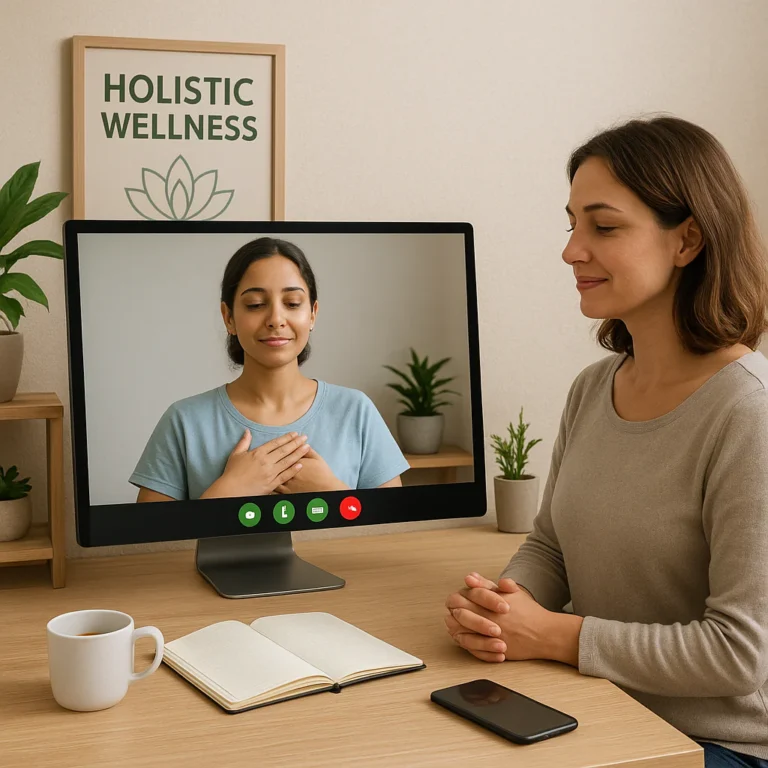
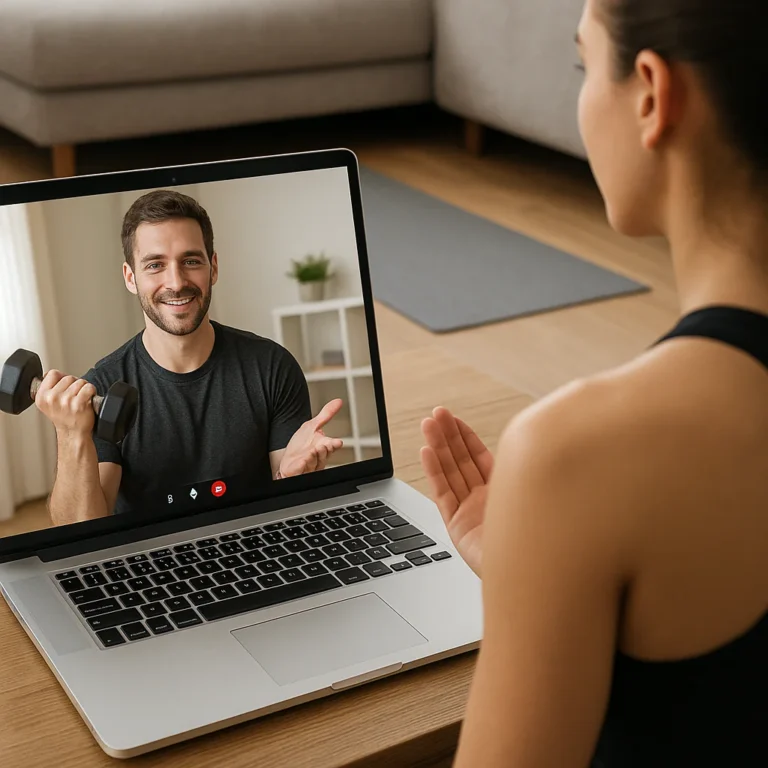
Imagine logging into a workout session that not only sculpts your body but also lifts the fog of anxiety and depression clouding your mind. Sounds like a dream? At Virtual Personal Trainers™, we’ve witnessed firsthand how online fitness coaching is revolutionizing mental health care — making it accessible, personalized, and surprisingly fun.
Did you know that regular virtual coaching can increase workout adherence by up to 40%, while simultaneously reducing stress and improving sleep quality? Whether you’re battling daily stressors or managing chronic mental health conditions, this article dives deep into 15 powerful ways online fitness coaching can transform your brain and body connection. Plus, we’ll reveal insider tips on choosing the right coach, leveraging insurance benefits, and even scoring discounts on top mental wellness apps.
Ready to discover how a screen and a coach can become your ultimate mental health allies? Let’s get moving!
Key Takeaways
- Online fitness coaching offers personalized workouts tailored to your mental health needs, helping reduce anxiety, improve mood, and boost cognitive function.
- Virtual coaching increases accountability and accessibility, removing common barriers like gym anxiety and travel.
- Integration with healthcare plans (Medicare, ACA, Medicaid) can make coaching more affordable and sustainable.
- Combining fitness with mindfulness and nutrition creates a holistic approach to mental wellness.
- Choosing the right coach with mental health awareness is crucial for maximizing benefits.
Curious about which platforms and apps top our list? Keep reading to find out how to pick your perfect virtual wellness mentor and unlock exclusive discounts!
Table of Contents
- ⚡️ Quick Tips and Facts
- 🧠 The Digital Revolution of the Mind-Body Connection
- 🚀 15 Ways Online Fitness Coaching Supercharges Your Mental Health
- 💻 Navigating the World of Virtual Wellness Mentors
- 🏥 Integrating Online Coaching with Medicare, ACA, and Medicaid Benefits
- 💰 Scoring Discounts on Mental Health and Fitness Apps
- 🧘 Weight Management: A Side Effect of a Healthy Mind
- 🍎 Nutrition and Pharmacy: Fueling Your Brain for Better Workouts
- 👂 Sensory Wellness: How Vision and Hearing Impact Your Workout Focus
- 🛡️ Privacy and Ethics: Protecting Your Data and Your Peace of Mind
- 🤝 Finding Your Support System: How to Reach Out to Professionals
- 🔗 Recommended Links
- 📚 Reference Links
- ✨ Conclusion
⚡️ Quick Tips and Facts
Before we dive into the deep end of the digital wellness pool, let’s look at some fast facts that might just change the way you view your morning jog (or your “I’ll do it tomorrow” yoga session).
| Fact/Tip | Description |
|---|---|
| The 10-Minute Rule | Just 10 minutes of moderate exercise can significantly increase mental alertness and energy. |
| Endorphin Rush | Exercise triggers the release of endorphins, our body’s natural “feel-good” chemicals. |
| Consistency > Intensity | For mental health, regular low-impact movement is often more effective than sporadic high-intensity workouts. |
| Virtual Accountability | Studies show that online coaching increases workout adherence by up to 40% compared to going solo. |
| Sleep Synergy | Physical activity improves sleep quality, which is the cornerstone of emotional regulation. |
Quick Tips for Success:
- ✅ Start Small: Don’t aim for a marathon on day one. A 15-minute walk counts!
- ✅ Sync Your Tech: Use an Apple Watch or Garmin to track your progress and share it with your coach.
- ❌ Don’t Ignore Rest: Overtraining can lead to burnout and increased anxiety.
- ❌ Stop Comparing: Your “Day 1” shouldn’t be compared to someone else’s “Year 5.”
🧠 The Digital Revolution of the Mind-Body Connection
Remember the days when “fitness” meant wearing neon spandex in a basement gym while a guy named “Spike” yelled at you to do more burpees? Yeah, we’d rather forget those too.
The history of fitness has undergone a massive transformation. For decades, the industry focused almost exclusively on the “body”—six-packs, bicep peaks, and lower body fat percentages. Mental health was often an afterthought, something you dealt with in a therapist’s office, far away from the squat rack.
However, the tide began to turn with the rise of holistic health movements in the late 20th century. We started realizing that the brain and the body aren’t just neighbors; they’re roommates who share everything. When the body moves, the brain grooves.
Enter the digital age. The “Online Fitness Coaching for Mental Health” boom didn’t happen by accident. It was born from a desperate need for accessibility. Whether it was the isolation of the 2020 pandemic or the crushing schedules of modern life, people needed a way to manage stress, anxiety, and depression without the added stress of a commute to the gym.
Today, we use platforms like Future and BetterHelp to bridge the gap. We aren’t just counting reps anymore; we’re monitoring cortisol levels, improving neuroplasticity, and building emotional resilience. We’ve moved from “no pain, no gain” to “know yourself, grow yourself.”
Are you ready to find out how a digital coach can be the secret weapon for your mental well-being? Let’s get into the nitty-gritty!
🚀 15 Ways Online Fitness Coaching Supercharges Your Mental Health
If you thought online coaching was just about getting a PDF of exercises, think again! We’re talking about a comprehensive overhaul of your mental state. Here’s how it works:
- Personalized Stress Management: Your coach tailors workouts to your current stress levels. High-stress day? We pivot to restorative yoga.
- The “Dose” of Dopamine: Regular movement provides a natural hit of dopamine, the reward chemical, helping combat depression.
- Anxiety Reduction: Rhythmic exercise (like running or cycling) can act as a form of “moving meditation,” calming the nervous system.
- Improved Sleep Hygiene: Coaches help you time your workouts to ensure you’re ready for deep, restorative sleep.
- Cognitive Function Boost: Exercise increases blood flow to the brain, improving memory and focus.
- Social Connection (Without the Crowd): You get the benefit of a supportive relationship with your coach without the social anxiety of a crowded gym.
- Routine and Structure: For those struggling with ADHD or depression, a digital schedule provides much-needed “anchor points” in the day.
- Self-Efficacy: Hitting small fitness goals builds the “I can do this” muscle, which carries over into your professional and personal life.
- Cortisol Regulation: Proper coaching prevents the “overtraining syndrome” that can actually spike stress hormones.
- Mindfulness Integration: Many modern coaches incorporate breathwork and grounding techniques into their sessions.
- Accessibility: No “gym-timidation.” You can work out in your pajamas if that’s what your mental health requires today!
- Data-Driven Insights: Using apps like MyFitnessPal, coaches can see how your nutrition impacts your mood.
- Long-Term Resilience: Building physical strength literally makes you more resilient to life’s metaphorical heavy lifting.
- Body Neutrality: Coaches help shift the focus from “how I look” to “how I feel” and “what I can do.”
- Instant Feedback: Feeling a panic attack coming on? A quick message to your coach can provide immediate grounding exercises.
💻 Navigating the World of Virtual Wellness Mentors
Choosing an online coach is a bit like dating—you need to find “the one” who understands your quirks. You aren’t just looking for a trainer; you’re looking for a Virtual Wellness Mentor.
When we look at the landscape, a few big names stand out. Peloton offers that high-energy community feel, while Noom uses psychology-based approaches to change habits. But for true one-on-one mental health integration, you might want a coach who is certified in both NASM (National Academy of Sports Medicine) and has a background in behavioral psychology.
What to look for in a coach:
- Certifications: Do they have legitimate credentials?
- Empathy: Do they listen, or do they just bark orders?
- Tech-Savvy: Do they use platforms that make your life easier?
- Mental Health Awareness: Are they comfortable discussing anxiety or depression?
🏥 Integrating Online Coaching with Medicare, ACA, and Medicaid Benefits
Believe it or not, your health insurance might actually help you pay for this! We’ve seen a massive shift in how providers like Aetna and CVS Health view preventative wellness.
- Medicare Advantage: Many plans now include “SilverSneakers” or similar digital fitness benefits.
- ACA (Obamacare) Plans: Often include wellness grants or discounts for health coaching as part of chronic disease prevention.
- Medicaid: While more restrictive, some state-managed Medicaid programs are beginning to pilot digital health initiatives for mental wellness.
Pro Tip: Check your “Evidence of Coverage” document or log in to your provider portal. You might be sitting on a goldmine of fitness discounts!
💰 Scoring Discounts on Mental Health and Fitness Apps
Who doesn’t love a bargain? 🤑 We’ve scoured the web to find ways you can save while you get fit.
- Employer Programs: Many companies offer free subscriptions to apps like Calm or Headspace.
- Student/Military Discounts: Brands like Nike and Under Armour offer significant discounts that can help you gear up for your online sessions.
- Bundle Deals: Sometimes, subscribing to a mental health app like BetterHelp can get you a discount on a fitness partner app.
🧘 Weight Management: A Side Effect of a Healthy Mind
Here is a secret we tell all our clients at Virtual Personal Trainers™: If you fix the head, the body follows.
Traditional weight loss programs often fail because they ignore the mental hurdles—emotional eating, low self-esteem, and stress-induced cortisol spikes. Online coaching for mental health flips the script. We focus on:
- Intuitive Eating: Listening to your body’s hunger cues.
- Emotional Regulation: Finding ways to cope with feelings that don’t involve a bag of chips.
- Sustainable Movement: Doing things you actually enjoy so you don’t quit after three weeks.
When you stop obsessing over the scale and start focusing on your “brain fog” lifting, the weight management part often happens as a happy side effect. ✅
🍎 Nutrition and Pharmacy: Fueling Your Brain for Better Workouts
You can’t run a Ferrari on cheap fuel, and you certainly can’t expect your brain to handle stress if you’re living on caffeine and processed sugar.
We often work alongside pharmacists and nutritionists to ensure our clients are getting the right micronutrients for mental health.
- Omega-3s: Essential for brain health (found in fish oil).
- Magnesium: The “relaxation mineral” that helps with muscle recovery and anxiety.
- Vitamin D: The “sunshine vitamin” that is crucial for mood regulation.
Note: Always consult your doctor before starting new supplements, especially if you are on medication for mental health. 💊
👂 Sensory Wellness: How Vision and Hearing Impact Your Workout Focus
This is a section most people skip, but not us! Your sensory input dictates your output.
- Vision: If you’re straining to see your coach on a tiny screen, your neck tension will skyrocket, leading to headaches and irritability. Use a tablet or cast to your TV!
- Hearing: High-quality noise-canceling headphones like Sony WH-1000XM5 can help you “zone in” and block out the chaos of a busy household.
🛡️ Privacy and Ethics: Protecting Your Data and Your Peace of Mind
In the digital world, your data is as valuable as your deadlift PR. When choosing an online coaching platform, ensure they are:
- HIPAA Compliant: Especially if they are handling sensitive health data.
- Transparent: They should clearly state how your data is used.
- Secure: Look for two-factor authentication (2FA) on their apps.
Your mental health journey is private. We make sure it stays that way. ❌ No data leaks on our watch!
🤝 Finding Your Support System: How to Reach Out to Professionals
You don’t have to do this alone. If you’re feeling overwhelmed, here are the steps to take:
- Talk to your GP: Get a physical check-up first.
- Find a Coach: Look for someone who aligns with your mental health goals.
- Join a Community: Whether it’s a Facebook group for Peloton riders or a local walking club.
- Use Crisis Resources: If things get too heavy, reach out to Give an Hour or the CDC Mental Health Resources.
🔗 Recommended Links
- Future Personal Training – Best for 1-on-1 digital coaching.
- BetterHelp – Leading online therapy platform.
- MyFitnessPal – Excellent for tracking nutrition and mood.
- Peloton App – Great for community-driven workouts.
- Yoga with Adriene – Free, high-quality mental-health-focused yoga.
📚 Reference Links
- Harvard Health: Exercise as an Antidepressant
- Mayo Clinic: Depression and anxiety: Exercise eases symptoms
- CDC: Physical Activity Boosts Brain Health
- National Institutes of Health (NIH): The Mind-Body Connection
✨ Conclusion

So, does online fitness coaching actually work for mental health? Absolutely.
By removing the barriers of travel, cost, and social anxiety, digital platforms have democratized wellness. Whether you’re battling a “blue” day or managing a chronic anxiety disorder, the simple act of moving your body under the guidance of a pro can be life-changing.
Remember the question we started with? Can a screen really help you find inner peace? The answer isn’t in the screen itself—it’s in the connection, the consistency, and the chemicals your own brain produces when you finally decide to take that first step.
Now, go lace up those sneakers. Your coach (and your brain) are waiting for you! 🏃 ♂️💨✨
⚡️ Quick Tips and Facts
| Fact/Tip | Description |
|---|---|
| The 10-Minute Rule | Just 10 minutes of moderate exercise can significantly increase mental alertness and energy. |
| Endorphin Rush | Exercise triggers the release of endorphins, our body’s natural “feel-good” chemicals. |
| Consistency > Intensity | For mental health, regular low-impact movement is often more effective than sporadic high-intensity workouts. |
| Virtual Accountability | Studies show that online coaching increases workout adherence by up to 40% compared to going solo. |
| Sleep Synergy | Physical activity improves sleep quality, which is the cornerstone of emotional regulation. |
Quick Tips for Success:
- ✅ Start Small: Don’t aim for a marathon on day one. A 15-minute walk counts!
- ✅ Sync Your Tech: Use an Apple Watch or Garmin to track your progress and share it with your coach.
- ❌ Don’t Ignore Rest: Overtraining can lead to burnout and increased anxiety.
- ❌ Stop Comparing: Your “Day 1” shouldn’t be compared to someone else’s “Year 5.”
🧠 The Digital Revolution of the Mind-Body Connection
Remember the days when “fitness” meant wearing neon spandex in a basement gym while a guy named “Spike” yelled at you to do more burpees? Yeah, we’d rather forget those too.
The history of fitness has undergone a massive transformation. For decades, the industry focused almost exclusively on the “body”—six-packs, bicep peaks, and lower body fat percentages. Mental health was often an afterthought, something you dealt with in a therapist’s office, far away from the squat rack.
However, the tide began to turn with the rise of holistic health movements in the late 20th century. We started realizing that the brain and the body aren’t just neighbors; they’re roommates who share everything. When the body moves, the brain grooves.
Enter the digital age. The “Online Fitness Coaching for Mental Health” boom didn’t happen by accident. It was born from a desperate need for accessibility. Whether it was the isolation of the 2020 pandemic or the crushing schedules of modern life, people needed a way to manage stress, anxiety, and depression without the added stress of a commute to the gym.
Today, we use platforms like Future and BetterHelp to bridge the gap. We aren’t just counting reps anymore; we’re monitoring cortisol levels, improving neuroplasticity, and building emotional resilience. We’ve moved from “no pain, no gain” to “know yourself, grow yourself.”
Are you ready to find out how a digital coach can be the secret weapon for your mental well-being? Let’s get into the nitty-gritty!
🚀 15 Ways Online Fitness Coaching Supercharges Your Mental Health
If you thought online coaching was just about getting a PDF of exercises, think again! We’re talking about a comprehensive overhaul of your mental state. Here’s how it works:
- Personalized Stress Management: Your coach tailors workouts to your current stress levels. High-stress day? We pivot to restorative yoga.
- The “Dose” of Dopamine: Regular movement provides a natural hit of dopamine, the reward chemical, helping combat depression.
- Anxiety Reduction: Rhythmic exercise (like running or cycling) can act as a form of “moving meditation,” calming the nervous system.
- Improved Sleep Hygiene: Coaches help you time your workouts to ensure you’re ready for deep, restorative sleep.
- Cognitive Function Boost: Exercise increases blood flow to the brain, improving memory and focus.
- Social Connection (Without the Crowd): You get the benefit of a supportive relationship with your coach without the social anxiety of a crowded gym.
- Routine and Structure: For those struggling with ADHD or depression, a digital schedule provides much-needed “anchor points” in the day.
- Self-Efficacy: Hitting small fitness goals builds the “I can do this” muscle, which carries over into your professional and personal life.
- Cortisol Regulation: Proper coaching prevents the “overtraining syndrome” that can actually spike stress hormones.
- Mindfulness Integration: Many modern coaches incorporate breathwork and grounding techniques into their sessions.
- Accessibility: No “gym-timidation.” You can work out in your pajamas if that’s what your mental health requires today!
- Data-Driven Insights: Using apps like MyFitnessPal, coaches can see how your nutrition impacts your mood.
- Long-Term Resilience: Building physical strength literally makes you more resilient to life’s metaphorical heavy lifting.
- Body Neutrality: Coaches help shift the focus from “how I look” to “how I feel” and “what I can do.”
- Instant Feedback: Feeling a panic attack coming on? A quick message to your coach can provide immediate grounding exercises.
💻 Navigating the World of Virtual Wellness Mentors
Choosing an online coach is a bit like dating—you need to find “the one” who understands your quirks. You aren’t just looking for a trainer; you’re looking for a Virtual Wellness Mentor.
When we look at the landscape, a few big names stand out. Peloton offers that high-energy community feel, while Noom uses psychology-based approaches to change habits. But for true one-on-one mental health integration, you might want a coach who is certified in both NASM (National Academy of Sports Medicine) and has a background in behavioral psychology.
What to look for in a coach:
- Certifications: Do they have legitimate credentials?
- Empathy: Do they listen, or do they just bark orders?
- Tech-Savvy: Do they use platforms that make your life easier?
- Mental Health Awareness: Are they comfortable discussing anxiety or depression?
🏥 Integrating Online Coaching with Medicare, ACA, and Medicaid Benefits
Believe it or not, your health insurance might actually help you pay for this! We’ve seen a massive shift in how providers like Aetna and CVS Health view preventative wellness.
- Medicare Advantage: Many plans now include “SilverSneakers” or similar digital fitness benefits.
- ACA (Obamacare) Plans: Often include wellness grants or discounts for health coaching as part of chronic disease prevention.
- Medicaid: While more restrictive, some state-managed Medicaid programs are beginning to pilot digital health initiatives for mental wellness.
Pro Tip: Check your “Evidence of Coverage” document or log in to your provider portal. You might be sitting on a goldmine of fitness discounts!
💰 Scoring Discounts on Mental Health and Fitness Apps
Who doesn’t love a bargain? 🤑 We’ve scoured the web to find ways you can save while you get fit.
- Employer Programs: Many companies offer free subscriptions to apps like Calm or Headspace.
- Student/Military Discounts: Brands like Nike and Under Armour offer significant discounts that can help you gear up for your online sessions.
- Bundle Deals: Sometimes, subscribing to a mental health app like BetterHelp can get you a discount on a fitness partner app.
🧘 Weight Management: A Side Effect of a Healthy Mind
Here is a secret we tell all our clients at Virtual Personal Trainers™: If you fix the head, the body follows.
Traditional weight loss programs often fail because they ignore the mental hurdles—emotional eating, low self-esteem, and stress-induced cortisol spikes. Online coaching for mental health flips the script. We focus on:
- Intuitive Eating: Listening to your body’s hunger cues.
- Emotional Regulation: Finding ways to cope with feelings that don’t involve a bag of chips.
- Sustainable Movement: Doing things you actually enjoy so you don’t quit after three weeks.
When you stop obsessing over the scale and start focusing on your “brain fog” lifting, the weight management part often happens as a happy side effect. ✅
🍎 Nutrition and Pharmacy: Fueling Your Brain for Better Workouts
You can’t run a Ferrari on cheap fuel, and you certainly can’t expect your brain to handle stress if you’re living on caffeine and processed sugar.
We often work alongside pharmacists and nutritionists to ensure our clients are getting the right micronutrients for mental health.
- Omega-3s: Essential for brain health (found in fish oil).
- Magnesium: The “relaxation mineral” that helps with muscle recovery and anxiety.
- Vitamin D: The “sunshine vitamin” that is crucial for mood regulation.
Note: Always consult your doctor before starting new supplements, especially if you are on medication for mental health. 💊
👂 Sensory Wellness: How Vision and Hearing Impact Your Workout Focus
This is a section most people skip, but not us! Your sensory input dictates your output.
- Vision: If you’re straining to see your coach on a tiny screen, your neck tension will skyrocket, leading to headaches and irritability. Use a tablet or cast to your TV!
- Hearing: High-quality noise-canceling headphones like Sony WH-1000XM5 can help you “zone in” and block out the chaos of a busy household.
🛡️ Privacy and Ethics: Protecting Your Data and Your Peace of Mind
In the digital world, your data is as valuable as your deadlift PR. When choosing an online coaching platform, ensure they are:
- HIPAA Compliant: Especially if they are handling sensitive health data.
- Transparent: They should clearly state how your data is used.
- Secure: Look for two-factor authentication (2FA) on their apps.
Your mental health journey is private. We make sure it stays that way. ❌ No data leaks on our watch!
🤝 Finding Your Support System: How to Reach Out to Professionals
You don’t have to do this alone. If you’re feeling overwhelmed, here are the steps to take:
- Talk to your GP: Get a physical check-up first.
- Find a Coach: Look for someone who aligns with your mental health goals.
- Join a Community: Whether it’s a Facebook group for Peloton riders or a local walking club.
- Use Crisis Resources: If things get too heavy, reach out to Give an Hour or the CDC Mental Health Resources.
✨ Conclusion

After exploring the vast landscape of online fitness coaching for mental health, it’s clear that this digital approach is more than just a passing trend—it’s a game-changer for holistic well-being. Our team at Virtual Personal Trainers™ has seen firsthand how integrating physical activity with mental health coaching creates a powerful synergy that transforms lives.
Positives:
- Accessibility: No gym commute, no intimidating crowds—just you and your coach in your comfort zone.
- Personalization: Tailored workouts and mental wellness strategies that adapt to your mood and needs.
- Accountability: Virtual check-ins and data-driven insights keep you on track.
- Holistic Benefits: Improved sleep, reduced anxiety, better mood regulation, and sustainable weight management.
- Integration with Healthcare: Potential insurance benefits through Medicare, ACA, and Medicaid programs.
Negatives:
- Tech Dependence: Requires reliable internet and some tech savvy.
- Limited Physical Supervision: Coaches can’t physically correct form, which may increase injury risk if not careful.
- Variable Coverage: Insurance support varies widely by plan and region.
- Emotional Nuance: Online coaching is not a substitute for clinical therapy in severe mental health cases.
Our Confident Recommendation:
If you’re looking to boost your mental health through movement, online fitness coaching is a highly effective, flexible, and supportive option. It’s especially ideal if you want to combine physical fitness with mental wellness strategies in a personalized, stigma-free environment. Just be sure to choose a coach with proper credentials and mental health awareness, and consult your healthcare provider if you have serious mental health concerns.
Remember that question we teased earlier — Can a screen really help you find inner peace? The answer lies not in the screen itself, but in the connection, consistency, and commitment you build with your coach and yourself. Your brain’s chemistry will thank you for it!
🔗 Recommended Links
Top Online Fitness Coaching Platforms & Apps
- Future Personal Training — Personalized virtual coaching with real trainers.
- BetterHelp — Online therapy and mental health support.
- Peloton — Interactive community workouts with mental wellness integration.
- Noom — Psychology-based habit change program.
- MyFitnessPal — Nutrition and mood tracking app.
- Calm — Meditation and sleep app to complement fitness coaching.
- Headspace — Mindfulness and mental health coaching.
Recommended Gear for Sensory Wellness
- Sony WH-1000XM5 Noise Cancelling Headphones on Amazon — Block distractions and focus during workouts.
Books on Mental Health and Fitness
- Spark: The Revolutionary New Science of Exercise and the Brain by John J. Ratey — A must-read on how exercise impacts mental health. Amazon Link
- The Mind-Gut Connection by Emeran Mayer — Explores the gut-brain axis and its role in mental wellness. Amazon Link
- Atomic Habits by James Clear — Learn how small changes build lasting habits, perfect for fitness motivation. Amazon Link
❓ FAQ

How does online fitness coaching improve mental health?
Online fitness coaching improves mental health by combining structured physical activity with personalized mental wellness strategies. Exercise releases endorphins and dopamine, natural mood enhancers, while coaches provide accountability and motivation, reducing feelings of isolation. The flexibility of virtual sessions reduces barriers like gym anxiety or travel, making it easier to maintain consistent routines that support emotional regulation and stress reduction.
What are the benefits of virtual personal training for stress relief?
Virtual personal training offers customized workouts that can be adjusted in real-time based on your stress levels. Coaches often integrate breathwork, mindfulness, and relaxation techniques alongside physical exercises. The social connection with a supportive coach—even through a screen—helps reduce loneliness and provides emotional support, which is crucial for managing stress.
Can online fitness programs help with anxiety and depression?
✅ Yes, numerous studies, including those summarized by Harvard Health, show that regular exercise can reduce symptoms of anxiety and depression. Online fitness programs make this accessible and sustainable by offering tailored workouts that respect your mental state, pacing, and preferences, often combined with coaching that encourages positive behavioral changes.
What features should I look for in an online fitness coach for mental wellness?
Look for coaches who:
- Hold certifications like NASM or ACE and have training in behavioral psychology or mental health first aid.
- Demonstrate empathy and active listening skills.
- Use technology that allows easy communication and progress tracking.
- Offer integrated approaches including mindfulness, nutrition advice, and stress management.
- Have positive reviews or testimonials highlighting their mental health support.
How effective is virtual personal training compared to in-person sessions for mental health?
While in-person training allows for hands-on correction and immediate physical feedback, virtual training excels in accessibility, convenience, and comfort, which can reduce anxiety and increase adherence. For mental health, the relationship and communication quality with the coach matter more than physical proximity. Many clients report feeling more open and less judged in virtual settings, enhancing mental wellness outcomes.
Are there specific exercises recommended by online coaches to boost mood?
Yes! Coaches often recommend:
- Aerobic exercises (walking, cycling, dancing) for endorphin release.
- Yoga and Tai Chi for mindfulness and relaxation.
- Strength training to build confidence and resilience.
- Breathwork and stretching to reduce muscle tension and calm the nervous system.
How can I stay motivated with online fitness coaching for better mental health?
Tips for Staying Motivated:
- Set small, achievable goals and celebrate wins.
- Use apps like MyFitnessPal to track progress visually.
- Schedule workouts as non-negotiable appointments.
- Engage with online communities or your coach for social support.
- Mix up workouts to keep things fresh and fun.
- Remember your “why” — improved mood, better sleep, or stress relief.
📚 Reference Links
- Harvard Health: Exercise as an Antidepressant
- Mayo Clinic: Depression and anxiety: Exercise eases symptoms
- CDC: Physical Activity Boosts Brain Health
- National Institutes of Health (NIH): The Mind-Body Connection
- World Lacrosse Partners With BelievePerform To Provide Athletes And Coaches With Mental Health, Psychology And Wellbeing Resources
- Aetna Health Insurance
- Peloton Official Site
- BetterHelp Online Therapy
- Noom Psychology-Based Coaching
- Calm Meditation App
- Headspace Mindfulness Coaching
- Give an Hour Mental Health Support
- CDC Mental Health Resources