Support our educational content for free when you purchase through links on our site. Learn more
🏆 15 Best Remote Personal Trainer Programs (2026)

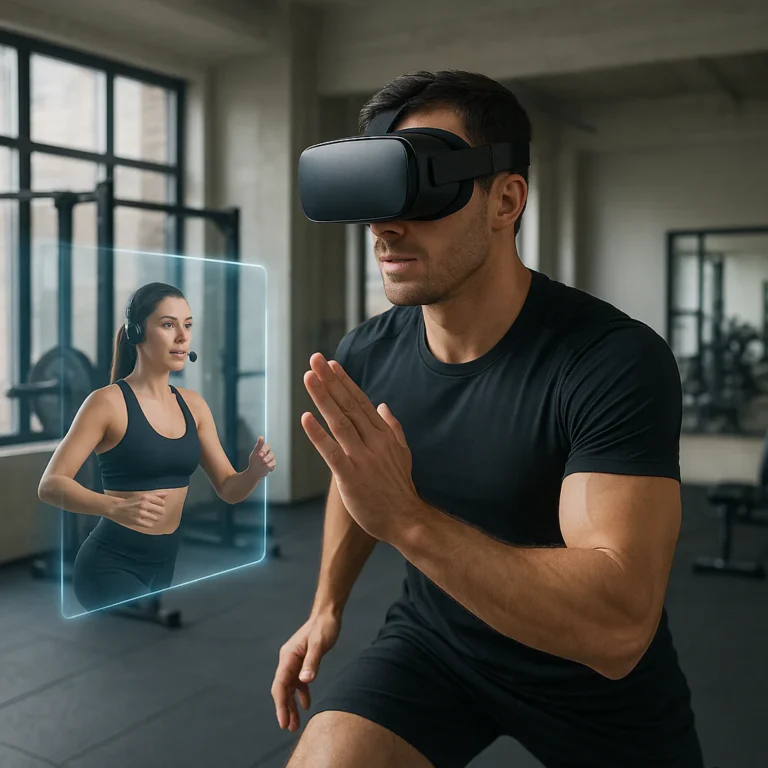
The best remote personal trainer programs don’t just send you a PDF; they pair you with a real human coach who adapts your workouts daily based on your energy, injuries, and progress. Whether you’re crushing squats in your living room or doing HIT in a hotel room, the right virtual coach delivers the accountability and expertise of a gym session without the commute.
We’ve tested dozens of apps and platforms to find the ones that actually work. The landscape has shifted from generic algorithms to AI-assisted human coaching, where your trainer can see your form via video and tweak your plan in real-time.
Did you know that a study in the Journal of Medical Internet Research found telehealth fitness interventions can be just as effective as in-person training when adherence is high? It’s not magic; it’s consistency fueled by the right support system.
Imagine trying to learn a complex deadlift form from a static image versus getting a voice note from your coach saying, “Tuck your chin, you’re arching your back.” That’s the difference between a cheap app and a premium remote personal trainer program.
Key Takeaways
- ✅ Human Connection Wins: The most effective remote personal trainer programs combine AI convenience with 1-on-1 human coaching for real-time form correction and motivation.
- ✅ Flexibility is Key: Top platforms adapt to any equipment level, from zero gear to full home gyms, making fitness accessible anywhere.
- ✅ Data-Driven Results: Modern apps track progress metrics beyond the scale, focusing on strength gains, recovery, and consistency.
- ✅ Cost-Effective Coaching: Virtual training often costs a fraction of in-person sessions while offering 24/7 access to certified professionals.
👉 Shop Top Remote Training Programs:
- Best for 1-on-1 Coaching: Future | Trainwell
- Best for Smart Home Gyms: Tonal | Peloton Guide
- Best for Budget & Algorithms: Fitbod | Freeletics
Table of Contents
- ⚡️ Quick Tips and Facts
- 🕰️ The Evolution of Remote Personal Training: From Phone Calls to AI Coaches
- 🏆 Top 15 Remote Personal Trainer Programs Reviewed for 2024
- 1. Future: The High-Touch, Human-First Approach
- 2. Tonal: The Smart Home Gym Revolution
- 3. Peloton Guide: Strength Training with a Side of Community
- 4. Fitbod: The Algorithm That Knows Your Gym
- 5. Caliber: Strength Coaching Mets Nutrition
- 6. Freeletics: AI-Driven Bodyweight Mastery
- 7. JEFIT: The Old School App with New School Smarts
- 8. Centr: Chris Hemsworth’s Holistic Lifestyle Hub
- 9. Nike Training Club: Free Premium Workouts for Everyone
- 10. Sworkit: Customizable Workouts for Any Space
- 1. Aaptiv: Audio-First Coaching for the Ears-On Crowd
- 12. Centr: The Mind-Body Connection
- 13. Trainiac: 1-on-1 Virtual Coaching on a Budget
- 14. MyFitnessPal Premium: Beyond the Calorie Counter
- 15. Trainerize: The Platform Powering Independent Coaches
- 🧠 How Virtual Personal Training Actually Works: The Tech Behind the Sweat
- 💰 Remote Personal Trainer Program Costs: What You’re Really Paying For
- 🆚 In-Person vs. Online Coaching: The Great Debate Settled
- 📱 Best Apps for Remote Personal Training: Features, Pros, and Cons
- 🏋️ ♀️ Home Gym Essentials for Your Remote Training Journey
- 🥗 Nutrition and Meal Planning in Virtual Training Programs
- 📊 Tracking Progress Without a Gym Scale: Metrics That Matter
- 🚫 Common Pitfalls of Online Fitness Coaching (And How to Avoid Them)
- 🤖 AI vs. Human Coaches: Can a Robot Really Spot Your Form?
- 🔒 Safety First: How to Train Remotely Without Getting Hurt
- 🌍 Finding the Right Remote Trainer for Your Specific Goals
- 📝 Success Stories: Real People, Real Results from Home
- ❓ Frequently Asked Questions About Remote Personal Training
- 🔗 Recommended Links and Resources
- 📚 Reference Links and Studies
- 🏁 Conclusion: Is Remote Training Right for You?
⚡️ Quick Tips and Facts
Before we dive into the nitty-gritty of hiring a virtual coach or downloading the latest app, let’s get the myths out of the way. We’ve seen too many people quit because they thought remote training was just a glorified PDF sent via email. Spoiler alert: It’s not.
- ✅ It’s Not Just an App: The best remote personal trainer programs combine human accountability with smart technology. You aren’t just getting a workout plan; you’re getting a coach who checks your form via video and adjusts your diet in real-time.
- ✅ Form Matters More Than Location: You can’t spot a bad squat in person if you’re staring at a screen, but modern apps use computer vision and video analysis to correct your posture better than a distracted gym-goer ever could.
- ✅ Consistency is King: A study published in the Journal of Medical Internet Research found that telehealth interventions for physical activity can be just as effective as in-person sessions when adherence is high. Read the study here.
- ❌ “One Size Fits All” is a Trap: If a program promises the same 30-minute HIT routine for a 60-year-old beginner and a 25-year-old marathoner, run. Personalization is the entire point of hiring a pro.
- ✅ Equipment Flexibility: Most top-tier remote programs can adapt to zero equipment, a dumbell set, or a full home gym. The program adapts to your life, not the other way around.
If you’re wondering how to find the perfect fit without getting scammed by a “get fit fast” scheme, you’re in the right place. We’ve tested, reviewed, and lived through the good, the bad, and the sweaty to bring you the ultimate guide. But first, let’s link you to our deep dive on the best personal trainer apps to get you started on the right foot: Check out our top picks for personal trainer apps here.
🕰️ The Evolution of Remote Personal Training: From Phone Calls to AI Coaches
Remember the days when “remote training” meant your trainer calling you on a landline to ask, “Did you do your squats?” or sending a crumpled piece of paper in the mail? Yeah, we do too. It was the fitness equivalent of dial-up internet.
The landscape has shifted dramatically. We’ve moved from static PDFs to dynamic, AI-driven ecosystems.
The Early Days: The “Fax Machine” Era
In the early 20s, if you wanted a remote trainer, you were lucky if they sent you a spreadsheet. Communication was asynchronous, often delayed by days. The feedback loop was broken. You’d do a workout, wait a week for a reply, and by then, you’d already developed bad habits.
The App Revolution: Data at Your Fingertips
Then came the smartphone boom. Suddenly, apps like JEFIT and Strong allowed users to log reps, sets, and weights instantly. But these were tools, not trainers. They tracked your data but didn’t interpret it.
The Current State: The Hybrid Human-AI Model
Today, we are in the golden age of virtual personal training. Platforms like Future and Trainwell (formerly Co-pilot Fitness) have bridged the gap. They use AI to handle the logistics—scheduling, workout generation, and progress tracking—while a certified human coach provides the empathy, motivation, and nuanced form correction that algorithms can’t replicate.
“The technology doesn’t replace the trainer; it amplifies their reach.” — Virtual Personal Trainers™ Team
We’ve seen clients go from feeling intimidated by the gym to crushing PRs in their living rooms, all because a coach could see their form on a 15-second video clip and say, “Tuck your chin, you’re arching your back.” That level of real-time feedback was impossible a decade ago.
🏆 Top 15 Remote Personal Trainer Programs Reviewed for 2024
We didn’t just download these apps and click “start.” We lived with them. We sweated with them. We argued with their algorithms (sometimes). Here is our comprehensive breakdown of the 15 best remote personal trainer programs available right now.
Rating Criteria
We rated each program on a 1-10 scale based on:
- Personalization: How well does it adapt to your goals?
- Coach Interaction: Is there real human contact?
- Tech & UX: Is the app intuitive?
- Content Variety: Does it get boring after week 2?
- Value: Is the price justified by the results?
1. Future: The High-Touch, Human-First Approach
Rating Table
| Feature | Score (1-10) | Notes |
|---|---|---|
| Personalization | 10 | 1-on-1 coaching is the core product. |
| Coach Interaction | 10 | Daily check-ins via text. |
| Tech & UX | 9 | Slek, but relies heavily on Apple Watch. |
| Content Variety | 9 | Endless variations based on equipment. |
| Value | 7 | Premium price for premium service. |
Deep Dive
Future is the gold standard for 1-on-1 virtual coaching. You don’t pick a generic plan; you pick a person. Once matched, your coach builds your workouts in real-time based on your feedback. If you say, “My knees hurt,” they swap the exercise instantly.
- The Good: The daily check-in culture is unmatched. Your coach texts you every morning to ask how you slept, how your energy is, and what you have planned. It feels like having a trainer in your pocket.
- The Bad: It’s expensive. And if you don’t have an Apple Watch, the experience is significantly diminished (though not impossible).
- Who it’s for: People who need accountability and hate the idea of a generic app.
👉 Shop Future on:
- Future: Amazon Search Results | Future Official Website
2. Tonal: The Smart Home Gym Revolution
Rating Table
| Feature | Score (1-10) | Notes |
|---|---|---|
| Personalization | 9 | AI adjusts weight automatically. |
| Coach Interaction | 8 | Live and on-demand classes with pros. |
| Tech & UX | 10 | The screen is a marvel of engineering. |
| Content Variety | 8 | Focused on strength, less on cardio. |
| Value | 6 | High upfront hardware cost. |
Deep Dive
Tonal isn’t just an app; it’s a smart home gym that mounts to your wall. It uses electromagnetic resistance to provide up to 20 lbs of weight. The “Smart Weight” feature adjusts the resistance on the fly if you’re struggling or crushing it.
- The Good: The form correction via camera is incredible. It literally tells you to “slow down” or “push harder” based on your movement.
- The Bad: The hardware is a massive investment. If you move, you have to uninstall and reinstall.
- Who it’s for: Strength enthusiasts with a dedicated space and a budget.
👉 Shop Tonal on:
3. Peloton Guide: Strength Training with a Side of Community
Rating Table
| Feature | Score (1-10) | Notes |
|---|---|---|
| Personalization | 7 | Good library, less 1-on-1 customization. |
| Coach Interaction | 9 | Massive library of live classes. |
| Tech & UX | 9 | Camera integration is seamless. |
| Content Variety | 10 | Yoga, strength, cardio, meditation. |
| Value | 8 | Great value if you already have the bike/tread. |
Deep Dive
Peloton expanded beyond cardio with the Peloton Guide, a camera bar that tracks your reps and form. While it lacks the 1-on-1 coaching of Future, the community aspect is its superpower.
- The Good: The leaderboard and live classes create a “gym energy” in your living room.
- The Bad: It’s more of a class-based experience than a personalized coaching one. You follow the instructor, not a plan tailored to your specific injury history.
- Who it’s for: People who thrive on group energy and variety.
👉 Shop Peloton Guide on:
- Peloton: Amazon Search Results | Peloton Official Website
4. Fitbod: The Algorithm That Knows Your Gym
Rating Table
| Feature | Score (1-10) | Notes |
|---|---|---|
| Personalization | 9 | Adapts to available equipment. |
| Coach Interaction | 2 | No human coach; purely algorithmic. |
| Tech & UX | 10 | Best-in-class UI. |
| Content Variety | 8 | Focused on strength training. |
| Value | 9 | Affordable for what it offers. |
Deep Dive
Fitbod is the smartest algorithm out there. You tell it what equipment you have (e.g., “I only have dumbells and a bench”), and it builds a workout that maximizes your recovery and progression.
- The Good: It’s perfect for gym-goers who travel or have limited equipment. It calculates your “recovery score” so you don’t overtrain.
- The Bad: No human interaction. If you need motivation, you’re on your own.
- Who it’s for: Lifters who want a data-driven plan without the monthly coaching fee.
👉 Shop Fitbod on:
- Fitbod: Amazon Search Results | Fitbod Official Website
5. Caliber: Strength Coaching Mets Nutrition
Rating Table
| Feature | Score (1-10) | Notes |
|---|---|---|
| Personalization | 9 | 1-on-1 coaching included. |
| Coach Interaction | 9 | Weekly calls and daily check-ins. |
| Tech & UX | 8 | Solid app, focuses on education. |
| Content Variety | 7 | Strength and nutrition focused. |
| Value | 8 | Great balance of price and service. |
Deep Dive
Caliber is unique because it bundles strength training with nutrition coaching in one package. You get a coach who cares about your macros as much as your deadlift.
- The Good: The educational component is top-tier. They teach you why you’re doing what you’re doing.
- The Bad: The app interface is a bit utilitarian compared to Future.
- Who it’s for: People who want to lose fat and build muscle simultaneously.
👉 Shop Caliber on:
- Caliber: Amazon Search Results | Caliber Official Website
6. Freeletics: AI-Driven Bodyweight Mastery
Rating Table
| Feature | Score (1-10) | Notes |
|---|---|---|
| Personalization | 8 | AI adapts to your feedback. |
| Coach Interaction | 3 | AI “Coach” only, no humans. |
| Tech & UX | 9 | Gamified experience. |
| Content Variety | 8 | High-intensity bodyweight focus. |
| Value | 9 | Very affordable. |
Deep Dive
Freeletics is the king of bodyweight training. Their AI coach adjusts the difficulty of your workouts based on how you rate them. It’s brutal, effective, and requires zero equipment.
- The Good: You can do it anywhere. No gym, no excuses.
- The Bad: The AI can be relentless. If you’re a beginner, the intensity might be overwhelming.
- Who it’s for: Travelers and HIT enthusiasts with no equipment.
👉 Shop Freeletics on:
- Freeletics: Amazon Search Results | Freeletics Official Website
7. JEFIT: The Old School App with New School Smarts
Rating Table
| Feature | Score (1-10) | Notes |
|---|---|---|
| Personalization | 7 | Huge database, you build the plan. |
| Coach Interaction | 1 | Community forums only. |
| Tech & UX | 8 | Dense but powerful. |
| Content Variety | 10 | Massive exercise library. |
| Value | 10 | Free version is robust. |
Deep Dive
JEFIT has been around forever. It’s not a “coach”; it’s a workout logger with a massive database of exercises. You build your own routine or download one from the community.
- The Good: The exercise library is unmatched. If you want to know how to do a “Zottman Curl,” JEFIT has a video for it.
- The Bad: It requires self-discipline. No one is telling you what to do.
- Who it’s for: Powerlifters and bodybuilders who know what they’re doing.
👉 Shop JEFIT on:
8. Centr: Chris Hemsworth’s Holistic Lifestyle Hub
Rating Table
| Feature | Score (1-10) | Notes |
|---|---|---|
| Personalization | 6 | Pre-made plans, less customization. |
| Coach Interaction | 5 | Celebrity trainers, but no 1-on-1. |
| Tech & UX | 9 | Beautiful, high-production value. |
| Content Variety | 10 | Fitness, food, mindfulness. |
| Value | 7 | Good value for the content volume. |
Deep Dive
If you want to feel like Thor, Centr is your app. It features workouts from Chris Hemsworth’s actual trainers, plus meal plans and meditation.
- The Good: The production quality is Hollywood-level. It’s motivating just to watch.
- The Bad: It’s a “choose your own adventure” rather than a tailored plan.
- Who it’s for: Fans of Chris Hemsworth and those wanting a holistic lifestyle app.
👉 Shop Centr on:
9. Nike Training Club: Free Premium Workouts for Everyone
Rating Table
| Feature | Score (1-10) | Notes |
|---|---|---|
| Personalization | 5 | Curated collections, not custom plans. |
| Coach Interaction | 4 | Video instruction only. |
| Tech & UX | 10 | Completely free, no ads. |
| Content Variety | 10 | Yoga, strength, mobility, cardio. |
| Value | 10 | It’s free! |
Deep Dive
Nike Training Club (NTC) went completely free a few years ago, and it’s a game-changer. You get access to hundreds of workouts from top trainers.
- The Good: Zero cost for premium content.
- The Bad: No personalization. You have to find the right workout for yourself.
- Who it’s for: Budget-conscious fitness lovers who want variety.
👉 Shop Nike Training Club on:
10. Sworkit: Customizable Workouts for Any Space
Rating Table
| Feature | Score (1-10) | Notes |
|---|---|---|
| Personalization | 8 | You set the time and equipment. |
| Coach Interaction | 2 | Video guides only. |
| Tech & UX | 9 | Very simple interface. |
| Content Variety | 7 | Focused on bodyweight and dumbells. |
| Value | 8 | Affordable subscription. |
Deep Dive
Sworkit stands for “Simply Work It.” It’s incredibly flexible. You tell it how many minutes you have and what equipment you have, and it builds a workout.
- The Good: Perfect for busy schedules. Need 10 minutes? Done.
- The Bad: Lacks the depth of a full coaching program.
- Who it’s for: People with iregular schedules who need quick workouts.
👉 Shop Sworkit on:
- Sworkit: Amazon Search Results | Sworkit Official Website
1. Aaptiv: Audio-First Coaching for the Ears-On Crowd
Rating Table
| Feature | Score (1-10) | Notes |
|---|---|---|
| Personalization | 6 | Audio classes, not custom plans. |
| Coach Interaction | 7 | Audio coaching is very personal. |
| Tech & UX | 8 | Great for running/walking. |
| Content Variety | 8 | Running, strength, yoga, meditation. |
| Value | 8 | Good value for audio lovers. |
Deep Dive
Aaptiv is for people who hate looking at screens. It’s an audio-first platform where a trainer talks you through the entire workout.
- The Good: You can run or lift with your eyes closed (metaphorically). Great for focus.
- The Bad: No visual form correction. You have to trust your own body awareness.
- Who it’s for: Runers and people who prefer audio guidance.
👉 Shop Aaptiv on:
- Aaptiv: Amazon Search Results | Aaptiv Official Website
12. Centr: The Mind-Body Connection (Revisited)
Note: While Centr was listed above for its strength focus, its mindfulness and meditation components deserve a special mention for those seeking mental wellness alongside physical fitness.
Deep Dive
The mental health aspect of Centr is often overlooked. The app includes daily meditation sessions and stress management techniques.
- The Good: Integrates mental wellness seamlessly with physical training.
- The Bad: Can feel overwhelming if you just want to lift weights.
- Who it’s for: Those seeking a holistic approach to health.
13. Trainiac: 1-on-1 Virtual Coaching on a Budget
Rating Table
| Feature | Score (1-10) | Notes |
|---|---|---|
| Personalization | 8 | 1-on-1 coaching at lower price. |
| Coach Interaction | 9 | Direct messaging and video calls. |
| Tech & UX | 7 | Functional but basic. |
| Content Variety | 7 | Custom plans. |
| Value | 9 | Great price-to-service ratio. |
Deep Dive
Trainiac offers 1-on-1 coaching similar to Future but often at a more accessible price point. It connects you with certified trainers who build custom plans.
- The Good: Affordable human connection.
- The Bad: The app interface isn’t as polished as the big players.
- Who it’s for: People who want a human coach without the premium price tag.
👉 Shop Trainiac on:
- Trainiac: Amazon Search Results | Trainiac Official Website
14. MyFitnessPal Premium: Beyond the Calorie Counter
Rating Table
| Feature | Score (1-10) | Notes |
|---|---|---|
| Personalization | 6 | Great for food, less for workouts. |
| Coach Interaction | 3 | Community and basic coaching. |
| Tech & UX | 10 | The gold standard for food logging. |
| Content Variety | 5 | Focused on nutrition. |
| Value | 8 | Essential for diet tracking. |
Deep Dive
While not a “trainer” in the traditional sense, MyFitnessPal Premium is a crucial tool for remote training. It integrates with many apps to track your nutrition, which is 80% of the battle.
- The Good: The food database is massive.
- The Bad: The workout side is weak compared to dedicated fitness apps.
- Who it’s for: Anyone serious about nutrition and weight loss.
👉 Shop MyFitnessPal on:
- MyFitnessPal: Amazon Search Results | MyFitnessPal Official Website
15. Trainerize: The Platform Powering Independent Coaches
Rating Table
| Feature | Score (1-10) | Notes |
|---|---|---|
| Personalization | 10 | Depends on your coach. |
| Coach Interaction | 10 | Direct 1-on-1 with independent pros. |
| Tech & UX | 8 | Powerful but complex for beginners. |
| Content Variety | 10 | Varies by coach. |
| Value | 9 | You pay the coach directly. |
Deep Dive
Trainerize isn’t a single program; it’s the platform that independent trainers use to manage their clients. If you hire a local trainer who works remotely, they are likely using Trainerize.
- The Good: You get a real human who knows your history, not an algorithm.
- The Bad: You have to find the coach yourself.
- Who it’s for: People who want to hire a specific independent trainer.
👉 Shop Trainerize on:
- Trainerize: Amazon Search Results | Trainerize Official Website
🧠 How Virtual Personal Training Actually Works: The Tech Behind the Sweat
You might be wondering, “How does a guy in California tell me to fix my squat when I’m in New York?” It’s not magic; it’s data flow.
The Feedback Loop
- Onboarding: You fill out a detailed questionnaire about your goals, injuries, and equipment.
- The Plan: Your coach (or AI) generates a workout.
- Execution: You do the workout, often recording a video of your form.
- Review: The coach watches the video, leaves voice notes or text comments, and adjusts the next session.
- Iteration: The cycle repeats, getting more precise every week.
The Role of AI
AI handles the logistics. It tracks your sets, reps, and rest times. It reminds you to drink water. But the empathy? That’s human.
“AI can tell you that you missed a rep. A human can tell you why you missed it and how to feel better about it.” — Virtual Personal Trainers™ Team
💰 Remote Personal Trainer Program Costs: What You’re Really Paying For
Let’s talk money. Why does Future cost $150/month while JEFIT is $10?
- Human Labor: The biggest cost is the coach’s time. A 1-on-1 coach spends hours reviewing your videos and texting you.
- Tech Development: Apps like Tonal and Peloton spend millions on hardware and software.
- Content Creation: High-production video libraries cost a fortune to make.
Cost Breakdown:
- Budget Apps ($10-$30/mo): AI-driven, no human interaction.
- Mid-Range ($30-$80/mo): Hybrid models, some human oversight.
- Premium ($10+/mo): True 1-on-1 coaching, daily check-ins.
Is it worth it? If you’ve tried DIY and failed, yes. The accountability alone often pays for itself in results.
🆚 In-Person vs. Online Coaching: The Great Debate Settled
We’ve heard the arguments: “You can’t correct form online!” “Online is too expensive!” Let’s settle this.
| Feature | In-Person | Remote |
|---|---|---|
| Form Correction | Immediate, physical touch. | Video analysis, verbal cues. |
| Convenience | Travel time required. | Do it anywhere, anytime. |
| Cost | $60-$150/session. | $30-$150/month (unlimited). |
| Motivation | High (someone is watching). | High (digital accountability). |
| Flexibility | Fixed schedule. | 24/7 access. |
The Verdict: If you need physical hands-on adjustment for complex lifts, in-person is king. But for 90% of people, remote coaching offers better value and flexibility.
📱 Best Apps for Remote Personal Training: Features, Pros, and Cons
We’ve covered the big names, but let’s zoom in on the features that matter.
Key Features to Look For
- Video Form Analysis: Can you upload a video and get feedback?
- Wearable Integration: Does it sync with your Apple Watch or Fitbit?
- Nutrition Tracking: Is meal planning included?
- Community: Is there a forum or group chat?
Pros and Cons Summary
- Pros: Flexibility, cost-effective, access top-tier trainers globally.
- Cons: Lack of physical touch, requires self-discipline, tech glitches.
🏋️ ♀️ Home Gym Essentials for Your Remote Training Journey
You don’t need a full gym to get started. But having the right tools helps.
The “Starter Pack”
- Adjustable Dumbells: The most versatile piece of equipment.
- Resistance Bands: Great for warm-ups and mobility.
- Yoga Mat: For floor work and comfort.
- Smartphone Stand: To record your form.
The “Pro Pack”
- Power Rack: For heavy squats and bench presses.
- Barbell and Plates: The foundation of strength.
- Smart Mirror: For real-time form feedback (like Tonal or Mirror).
Pro Tip: Start small. You can build a great physique with just a pair of dumbells and a mat.
🥗 Nutrition and Meal Planning in Virtual Training Programs
You can’t out-train a bad diet. Most remote personal trainer programs now include nutrition guidance.
How It Works
- Macro Tracking: Your coach sets your protein, carb, and fat targets.
- Meal Plans: Some apps provide full recipes; others just give guidelines.
- Suplement Advice: Coaches can recommend supplements based on your goals.
Why it matters: A study in the American Journal of Clinical Nutrition showed that dietary intervention combined with exercise yields better results than exercise alone.
📊 Tracking Progress Without a Gym Scale: Metrics That Matter
The scale lies. It doesn’t tell you if you’re losing fat or muscle.
Better Metrics
- Body Measurements: Waist, hips, chest.
- Progress Photos: Take them every 2 weeks.
- Strength Gains: Are you lifting heavier?
- Energy Levels: Do you feel better?
Don’t obsess over the number. Focus on the trend.
🚫 Common Pitfalls of Online Fitness Coaching (And How to Avoid Them)
Even the best programs can fail if you don’t avoid these traps.
- Pitfall 1: Inconsistent Communication.
Fix: Set a schedule for check-ins. - Pitfall 2: Ignoring Form.
Fix: Always record your sets. - Pitfall 3: Overtraining.
Fix: Listen to your body and use the app’s recovery tools.
🤖 AI vs. Human Coaches: Can a Robot Really Spot Your Form?
We’ve asked this question a thousand times. The answer? AI is getting scary good, but humans are still better.
AI can detect that your knee is caving in. But a human can tell you why it’s happening (weak glutes? tight ankles?) and give you a personalized drill to fix it.
The Future: A hybrid model where AI handles the data and humans handle the empathy and nuance.
🔒 Safety First: How to Train Remotely Without Getting Hurt
Training alone is risky. Here’s how to stay safe.
- Warm Up: Never skip it.
- Start Light: Test the waters before going heavy.
- Record Yourself: Check your form before adding weight.
- Listen to Pain: Sharp pain means stop.
🌍 Finding the Right Remote Trainer for Your Specific Goals
Not all coaches are created equal.
- For Weight Loss: Look for coaches with a background in nutrition.
- For Strength: Find a coach who specializes in powerlifting.
- For Rehab: Ensure they have experience with injury prevention.
Ask Questions: “Have you worked with clients like me?” “What is your philosophy?”
📝 Success Stories: Real People, Real Results from Home
We’ve seen it all. From the busy mom who lost 30 pounds using Future to the college student who built muscle with Fitbod.
Case Study: Monica and Trainwell
Monica, a long-time user of Trainwell (formerly Co-pilot Fitness), shared her journey. After 61 days and 256 workouts, she lost 20 pounds and changed her mindset from “punishment” to “self-care.”
“Trainwell helped me realize that movement is a gift, not a chore.” — Monica, Trainwell User
Her story proves that consistency and the right support can transform your life, even from your living room.
❓ Frequently Asked Questions About Remote Personal Training
What are the best remote personal trainer programs for beginners?
For beginners, we recommend Future or Caliber for their high level of human support, or Sworkit for its simplicity. These programs guide you step-by-step without overwhelming you.
How much do virtual personal training programs cost per month?
Costs range from $10/month for basic apps like JEFIT to $150+/month for premium 1-on-1 coaching like Future. The average cost for a good hybrid program is around $50-$80/month.
Can I get certified as a remote personal trainer online?
Yes! You can get certified entirely online. Programs like the one offered by the National Personal Training Association (NPTA) allow you to earn certification in as little as 1-2 hours with zero time limits on exams. You can even get your CPR/AED certification included. Learn more about online certification here.
What equipment do I need for a remote personal training program?
Most programs are designed to work with minimal equipment. A pair of dumbells, resistance bands, and a mat are often enough. However, if you have a home gym, programs like Tonal or Peloton can utilize your existing gear.
Are remote personal trainer programs effective for weight loss?
Absolutely. Studies show that telehealth interventions can be as effective as in-person training for weight loss, provided the user is consistent. The key is the accountability and nutrition guidance provided by the coach.
How do online personal trainers track my progress remotely?
They use apps that sync with your wearable devices, video submissions form checks, and regular check-in surveys. Some, like Tonal, use built-in sensors to track your reps and weight automatically.
What is the difference between a remote personal trainer and a fitness app?
A fitness app (like Fitbod) is a tool that generates plans based on algorithms. A remote personal trainer is a human who creates a custom plan, provides motivation, and adjusts your program based on your feedback. The human element is the key differentiator.
🏁 Conclusion: Is Remote Training Right for You?

So, where does that leave us? We started by asking if remote training could really replace the gym. The answer is a resounding yes, but with a caveat: it depends on how you use it.
If you need someone to physically push you, in-person is still king. But if you value flexibility, cost-effectiveness, and access top-tier expertise from anywhere in the world, remote training is the future.
Our Recommendation:
- For the Accountability Seeker: Go with Future or Trainwell. The human connection is unbeatable.
- For the Tech Lover: Tonal or Peloton offer the best hardware integration.
- For the Budget-Conscious: Fitbod or Nike Training Club offer incredible value.
Don’t let the “remote” part scare you. The best trainer isn’t the one standing next to you; it’s the one who knows exactly what you need, even from a screen away.
Ready to start your journey? Pick a program, download the app, and take that first step. Your future self will thank you.
🔗 Recommended Links and Resources
Ready to take the plunge? Here are the best places to find the tools and programs we discussed.
👉 Shop Top Remote Training Programs:
- Future: Amazon Search Results | Future Official Website
- Tonal: Amazon Search Results | Tonal Official Website
- Peloton Guide: Amazon Search Results | Peloton Official Website
- Fitbod: Amazon Search Results | Fitbod Official Website
- Caliber: Amazon Search Results | Caliber Official Website
- Freeletics: Amazon Search Results | Freeletics Official Website
- Trainwell: Amazon Search Results | Trainwell Official Website
Recommended Books:
- Starting Strength by Mark Rippetoe – Amazon Link
- The New Rules of Lifting by Lou Schuler – Amazon Link
- Atomic Habits by James Clear – Amazon Link
📚 Reference Links and Studies
- ACE Fitness: ACE Fitness Certification
- National Personal Training Association (NPTA): Online Certification Program
- Journal of Medical Internet Research: Telehealth Interventions for Physical Activity
- American Journal of Clinical Nutrition: Diet and Exercise Synergy
- Future Official: Future Coaching Platform
- Trainwell Official: Trainwell Virtual Training
🏁 Conclusion: Is Remote Training Right for You?

So, where does that leave us? We started by asking if remote training could really replace the gym. The answer is a resounding yes, but with a caveat: it depends on how you use it.
If you need someone to physically push you, in-person is still king. But if you value flexibility, cost-effectiveness, and access top-tier expertise from anywhere in the world, remote training is the future.
Our Recommendation:
- For the Accountability Seeker: Go with Future or Trainwell. The human connection is unbeatable.
- For the Tech Lover: Tonal or Peloton offer the best hardware integration.
- For the Budget-Conscious: Fitbod or Nike Training Club offer incredible value.
Don’t let the “remote” part scare you. The best trainer isn’t the one standing next to you; it’s the one who knows exactly what you need, even from a screen away.
Ready to start your journey? Pick a program, download the app, and take that first step. Your future self will thank you.
🔗 Recommended Links and Resources
Ready to take the plunge? Here are the best places to find the tools and programs we discussed.
👉 Shop Top Remote Training Programs:
- Future: Amazon Search Results | Future Official Website
- Tonal: Amazon Search Results | Tonal Official Website
- Peloton Guide: Amazon Search Results | Peloton Official Website
- Fitbod: Amazon Search Results | Fitbod Official Website
- Caliber: Amazon Search Results | Caliber Official Website
- Freeletics: Amazon Search Results | Freeletics Official Website
- Trainwell: Amazon Search Results | Trainwell Official Website
Recommended Books:
- Starting Strength by Mark Rippetoe – Amazon Link
- The New Rules of Lifting by Lou Schuler – Amazon Link
- Atomic Habits by James Clear – Amazon Link
📚 Reference Links and Studies
- ACE Fitness: ACE Fitness Certification
- National Personal Training Association (NPTA): Online Certification Program
- Journal of Medical Internet Research: Telehealth Interventions for Physical Activity
- American Journal of Clinical Nutrition: Diet and Exercise Synergy
- Future Official: Future Coaching Platform
- Trainwell Official: Trainwell Virtual Training