Support our educational content for free when you purchase through links on our site. Learn more
🚀 7 Secrets to Master Virtual Fitness Coaching in 2026

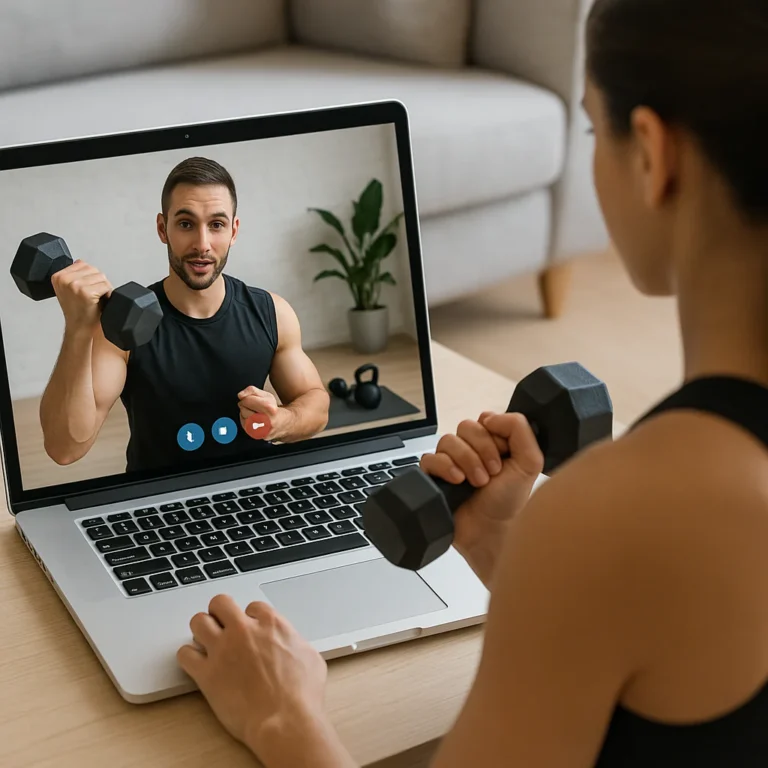
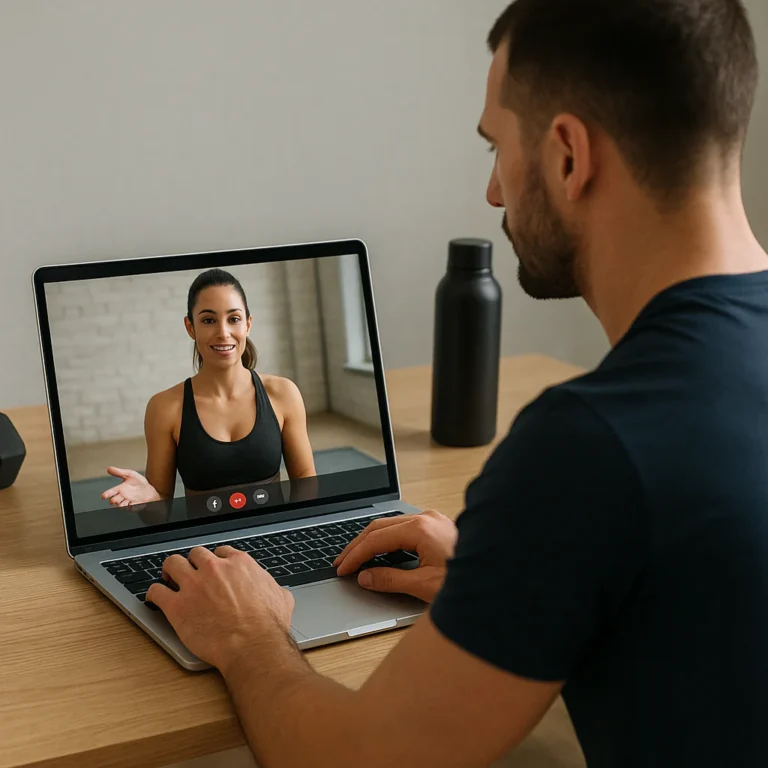
Remember the days when “remote training” meant deciphering a grainy PDF sent via email? Those days are dead and buried. Welcome to 2026, where virtual fitness coaching has evolved into a high-tech, AI-driven powerhouse that delivers personalized results from your living room to your local park. At Virtual Personal Trainers™, we’ve watched clients transform from doubting their ability to finish a single mile to crushing Hyrox races and building unshakeable confidence, all without stepping foot in a traditional gym. In fact, recent data suggests that remote coaching adherence rates are now outpacing in-person sessions for busy professionals and students alike, proving that flexibility is the ultimate performance enhancer.
But here’s the kicker: not all online programs are created equal. While some offer generic templates, the true magic lies in the 7 Pillars of Successful Virtual Fitness Coaching we’ll uncover later in this guide—from adaptive periodization that evolves with your menstrual cycle to real-time video form correction that feels like having a trainer in the room. Whether you’re battling the mental hurdles of the luteal phase or simply trying to fit a workout between Zoom calls, this comprehensive guide will show you exactly how to leverage technology to become the best version of yourself, inside and out.
Key Takeaways
- Flexibility Mets Precision: Modern virtual fitness coaching combines the convenience of training on your schedule with data-driven, personalized programming that adapts to your unique goals and lifestyle.
- Holistic Success: True transformation goes beyond workouts; it integrates nutrition guidance, mental resilience strategies, and wearable tech integration to optimize your entire well-being.
- Overcoming Mental Bariers: With the right support, you can conquer self-doubt and body confidence issues, learning to trust your body even during challenging phases like the luteal period.
- Tech-Enabled Accountability: Utilizing platforms like Trainerize and True Coach ensures consistent feedback, progress tracking, and a supportive community that keeps you motivated 24/7.
- Cost-Effective Expertise: Access world-class coaching without the premium price tag of in-person sessions, making elite fitness guidance accessible to students, parents, and professionals everywhere.
Table of Contents
- ⚡️ Quick Tips and Facts
- 📜 The Evolution of Remote Training: From Email PDFs to AI-Powered Virtual Fitness Coaching
- 🤔 Is Virtual Fitness Coaching Right for You? A Deep Dive into Online Personal Training
- 🚀 The 7 Pillars of Successful Virtual Fitness Coaching Programs
- Personalized Workout Programming Tailored to Your Goals
- Real-Time Form Correction and Video Feedback Lops
- Nutrition Guidance and Macro Tracking Integration
- 24/7 Accountability and Community Support Systems
- Adaptive Periodization for Strength and Endurance Gains
- Data-Driven Progress Tracking and Analytics
- Mental Resilience and Lifestyle Coaching Strategies
- 💻 Top Platforms and Apps for Virtual Fitness Coaching in 2025
- 🏋️ ♀️ Home Gym vs. Commercial Gym: Optimizing Your Virtual Training Environment
- 📱 Wearable Tech Integration: Syncing Your Data with Your Online Coach
- 🧠 Overcoming the Mental Hurdles of Remote Workouts and Body Confidence
- 📊 Virtual vs. In-Person Training: A Comprehensive Cost-Benefit Analysis
- 🛠️ How to Choose the Perfect Virtual Fitness Coach for Your Needs
- 🎯 Success Stories: Real Results from Our Virtual Fitness Coaching Clients
- ❓ Frequently Asked Questions About Online Personal Training
- 🔗 Recommended Links and Resources
- 📚 Reference Links and Scientific Studies
- 🏁 Conclusion
⚡️ Quick Tips and Facts
Welcome to the future of fitness, where your personal trainer is just a click away! 👋 At Virtual Personal Trainers™, we’ve seen firsthand how virtual fitness coaching is revolutionizing the
way people achieve their health and wellness goals. It’s not just a trend; it’s a powerful, flexible, and often more effective way to get the personalized guidance you need, right from your living room or local gym. In
fact, the global online fitness market is projected to grow significantly, proving that remote training is here to stay.
Here are some rapid-fire facts and insider tips to get you started on your virtual fitness journey:
Flexibility is King! 👑 Virtual coaching allows you to train on your schedule, not your coach’s. This means no more rushing to make a gym appointment or battling traffic.
- Accessibility for All!
🌍 Whether you’re in a rural area with limited gym options or simply prefer the comfort of your home, online personal training opens up a world of expert guidance. You can find an amazing online personal trainer that fits your unique needs and goals. - Cost-Effective Coaching! 💰 Often, virtual coaching packages can be more budget-friendly than traditional in-person sessions, giving you more bang for your fitness buck.
Data-Driven Progress!** 📈 Many platforms integrate with wearable tech and tracking apps, providing you and your coach with invaluable data to monitor progress and adjust your program for optimal results. For instance, platforms like Roxfit.app are used for
detailed race data analysis, even helping clients achieve top rankings in specific events like sled pulls.
- Accountability is Key! ✅ A good virtual coach provides consistent support and check-ins, keeping you motivated and on
track, even when you feel like skipping a session. This constant feedback loop is crucial for success. - Beyond Workouts! 🧘 ♀️ Virtual fitness coaching often extends beyond just exercises, encompassing nutrition guidance, mental
resilience, and holistic lifestyle advice. It’s about becoming the “best version of themselves, inside and out”.
| Aspect | Virtual Fitness Coaching
⚡️ Quick Tips and Facts
Welcome to the future of
fitness, where your personal trainer is just a click away! 👋 At Virtual Personal Trainers™, we’ve seen firsthand how virtual fitness coaching is revolutionizing the way people achieve their health and wellness goals. It’s not just a
trend; it’s a powerful, flexible, and often more effective way to get the personalized guidance you need, right from your living room or local gym. In fact, the global online fitness market is projected to grow significantly, proving that
remote training is here to stay.
Here are some rapid-fire facts and insider tips to get you started on your virtual fitness journey:
- Flexibility is King! 👑 Virtual coaching allows
you to train on your schedule, not your coach’s. This means no more rushing to make a gym appointment or battling traffic. - Accessibility for All! 🌍 Whether you’re in a rural area
with limited gym options or simply prefer the comfort of your home, online personal training opens up a world of expert guidance. You can find an amazing online personal trainer that fits your unique needs and goals.
Cost-Effective Coaching! 💰 Often, virtual coaching packages can be more budget-friendly than traditional in-person sessions, giving you more bang for your fitness buck.
- Data-Driven Progress!
📈 Many platforms integrate with wearable tech and tracking apps, providing you and your coach with invaluable data to monitor progress and adjust your program for optimal results. For instance, platforms like Roxfit.app are used for detailed race data analysis, even
helping clients achieve top rankings in specific events like sled pulls. - Accountability is Key! ✅ A good virtual coach provides consistent support and check-ins, keeping you motivated and on track, even when you feel
like skipping a session. This constant feedback loop is crucial for success. - Beyond Workouts! 🧘 ♀️ Virtual fitness coaching often extends beyond just exercises, encompassing nutrition guidance, mental resilience, and
holistic lifestyle advice. It’s about becoming the “best version of themselves, inside and out”.
| Aspect | Virtual Fitness Coaching
to Virtual Personal Trainers™! We’re here to make your fitness journey not just effective, but also enjoyable
and sustainable.
📜 The Evolution of Remote Training: From Email PDFs to AI-Powered Virtual Fitness Coaching
Remember the days when “remote training” meant your coach sending you a grainy PDF of exercises via email? Or perhaps a
handwritten workout plan you’d try to decipher on your own? Well, thankfully, those days are largely behind us! The landscape of remote fitness coaching has undergone a truly remarkable transformation, evolving from rudimentary communication to sophisticated, interactive,
and even AI-powered virtual experiences.
Back in the early days, the biggest hurdle was always accountability and real-time feedback. You’d get your plan, you’d do your best, and then you’d wait for
the next check-in. It was a bit like sending a message in a bottle and hoping for a reply! But as technology advanced, so too did the possibilities for online personal training.
We saw the rise of dedicated platforms that allowed coaches to
upload detailed workout videos, track client progress, and communicate more effectively. This was a game-changer, moving beyond static PDFs to dynamic, visual guidance. Then came video calls, allowing for live form correction and a more personal connection, even
across continents. This truly began to bridge the gap between in-person and virtual coaching.
Today, we’re witnessing an even more exciting era. Imagine your coach using artificial intelligence to analyze your movement patterns from uploaded videos, identifying
subtle imbalances or areas for improvement you might never have noticed. Or a system that adapts your workout intensity based on your sleep quality and recovery data from your wearable device. This isn’t science fiction; it’s the reality of modern **virtual fitness coaching
**.
The National Academy of Sports Medicine (NASM) recognized this shift early on, developing a Virtual Coaching Specialization to equip fitness professionals with the necessary skills to thrive in this digital landscape. This course
focuses on everything from building a virtual coaching business and mastering sales and marketing, to conducting virtual assessments and coaching effectively even with limited space and equipment. It’s a testament to how seriously the industry is taking this evolution.
From our own experience at Virtual Personal Trainers™, we’ve seen coaches leverage platforms like Trainerize (which we’ll delve into later!) to manage hundreds of clients globally, offering personalized programs, tracking nutrition, and fostering vibrant online communities. It’
s a far cry from those early email attachments, wouldn’t you agree? The journey has been incredible, and we’re only just scratching the surface of what’s possible in the world of digital fitness solutions.
🤔
Is Virtual Fitness Coaching Right for You? A Deep Dive into Online Personal Training
So, you’ve heard the buzz, seen the transformations, and maybe even scrolled through some inspiring Instagram feeds of people crushing their goals with an online coach. But
the big question remains: is virtual fitness coaching truly the right fit for you? It’s a valid query, and one we hear often at Virtual Personal Trainers™. While we’re huge advocates for the power of remote
guidance, we also believe in transparency. Let’s break down the pros and cons to help you decide if this innovative approach to online personal training aligns with your lifestyle and aspirations.
✅ The Green Lights: Why Virtual Coaching
Shines
- Unparalleled Flexibility: This is arguably the biggest selling point. Life happens, right? With virtual coaching, your workouts can happen whenever and wherever you are. Early bird? Night owl? Traveling for work? No
problem. We’ve had clients complete their sessions in hotel gyms, their living rooms, and even during lunch breaks. This adaptability significantly reduces the chances of missing workouts, which, let’s be honest, is half the battle!
Access to Top-Tier Expertise:** No longer are you limited to the trainers available at your local gym. Virtual coaching allows you to connect with specialists in specific fields – be it strength training, endurance, pre/post-natal fitness, or even Hy
rox preparation, like the dedicated coaching provided to Love Lucy Fit, which helped her achieve a fantastic Hyrox race time. You can literally find the best coach in the world for your unique goals.
Cost-Effectiveness:** While quality coaching is an investment, virtual packages often come at a more accessible price point than traditional in-person sessions. This is because coaches can manage more clients efficiently, passing some of those savings on to you.
- Enhanced Accountability & Support: Don’t mistake “virtual” for “isolated.” A great online coach provides consistent check-ins, progress tracking, and often access to a supportive online community. This constant connection helps you stay motivated and
provides a safety net when self-doubt creeps in. As Love Lucy Fit wisely puts it, “I couldn’t of done this without you [my coach]”. - Privacy and Comfort: For
some, the gym environment can be intimidating. Virtual coaching allows you to work out in the comfort and privacy of your own space, which can be a huge confidence booster, especially when starting out. - Data-Driven Progress: Many platforms
integrate seamlessly with fitness trackers and apps, allowing your coach to monitor your activity, sleep, and even nutrition. This data provides objective insights, ensuring your program is always optimized for your progress.
❌ The Red Flags: When Virtual Coaching Might Not
Be Your Best Bet
- Requires Self-Discipline: Let’s be real: no one is physically standing over you to make sure you do that last rep. While accountability is high, you still need a baseline level of self-
motivation to show up and put in the work. If you struggle with consistency without direct supervision, this might be a hurdle. - Limited Immediate Hands-On Correction: While video feedback is incredibly effective (and we’ll talk more about that later!), it’s not the same as a coach physically adjusting your posture or spotting you during a heavy lift. For absolute beginners with complex movements, an initial in-person session or a highly detailed video analysis might be necessary
. - Equipment Considerations: While many programs are designed for minimal or no equipment, some advanced training protocols might require access to a well-equipped gym. However, many virtual coaches specialize in “At Home Workouts” or ”
Barbell/Dumbbell” plans that can be done with limited gear. - Potential for Miscommunication: Although rare with experienced coaches, the lack of face-to-face interaction can sometimes lead to slight
misunderstandings if communication isn’t crystal clear. This is why we emphasize coaches who excel at clear, concise instructions and active listening. - Tech Savvy Required: You’ll need to be comfortable with apps, video calls,
and potentially uploading videos of your workouts. If technology gives you a headache, there might be a slight learning curve.
Ultimately, the decision boils down to your personal preferences, goals, and how you best respond to guidance. If you’
re looking for flexibility, expert access, and a supportive, data-driven approach to your fitness journey, then online personal training could be your golden ticket to success. We’ve seen hundreds of women worldwide become the “best version of themselves
, inside and out” through 1:1 online coaching, emphasizing growth and confidence. Why not you?
🚀 The 7 Pillars of Successful Virtual Fitness Coaching Programs
At Virtual Personal Trainers™, we believe
that a truly transformative virtual fitness coaching experience isn’t just about a workout plan; it’s about a holistic, well-rounded approach that addresses every facet of your health and wellness journey. Over years of working with clients globally
, we’ve identified seven core pillars that underpin every successful online personal training program. These aren’t just features; they’re fundamental elements that ensure you not only reach your goals but also build sustainable habits for life.
- Personalized Workout Programming Tailored to Your Goals
Forget generic, one-size-fits-all workout templates! The cornerstone of effective virtual fitness coaching is a program meticulously crafted for you. This means taking into account your current
fitness level, any injuries or limitations, available equipment (whether it’s a fully-fledged home gym or just your bodyweight), and most importantly, your specific goals.
Are you aiming to build strength, boost endurance, lose body
fat, or prepare for a specific event like a Hyrox race? Your program should reflect that. For example, the UK Campus Recreation Anywhere program offers customized plans for students, whether their goal is “building strength, boosting endurance, or creating
a healthier routine”. A truly personalized plan adapts as you progress, ensuring you’re continuously challenged without being overwhelmed. It’s about smart training, not just hard training.
2. Real-Time Form Correction
and Video Feedback Loops
One of the biggest concerns people have about remote training is the lack of immediate form correction. How can a coach fix your squat if they’re not there? This is where technology truly shines! Modern virtual coaching platforms
integrate robust video analysis tools.
Here’s how it typically works:
- You Record: You’ll record short clips of yourself performing key exercises using your smartphone.
- You Upload: Upload these videos directly
to your coaching app (platforms like True Coach, used by UK Personal Trainers, are excellent for this). - Coach Reviews: Your coach then meticulously reviews your form, often using slow-motion playback
, drawing tools, and voiceovers to highlight specific areas for improvement. - You Learn & Improve: You receive detailed, actionable feedback, allowing you to refine your technique and prevent injuries.
This continuous feedback loop is incredibly
powerful. We’ve seen clients make dramatic improvements in their form and confidence simply by being able to review their own movements alongside expert guidance. It’s like having eyes in the back of your head – or rather, having your coach’s
expert eyes on your form!
3. Nutrition Guidance and Macro Tracking Integration
We all know the adage: “You can’t out-train a bad diet.” That’s why comprehensive virtual fitness coaching extends
far beyond just the gym. Effective nutrition guidance is crucial for achieving any fitness goal, whether it’s fat loss, muscle gain, or improved performance.
A good online coach will help you:
- Understand Macronutrients: Learn
about protein, carbohydrates, and fats, and how to balance them for your body and goals. - Develop Sustainable Eating Habits: It’s not about restrictive diets, but about creating a healthy relationship with food.
Integrate Tracking Tools:** Many coaching apps sync with popular nutrition tracking apps like MyFitnessPal or Cronometer, allowing your coach to review your food intake and provide personalized recommendations.
- Address Specific Needs: This could include guidance for specific
dietary preferences (vegetarian, vegan) or even how nutrition impacts different phases of your life, such as navigating the luteal phase, where body confidence, bloating, and fatigue can be a concern.
Our team at Virtual Personal
Trainers™ emphasizes that nutrition coaching is about education and empowerment, giving you the tools to make informed choices that fuel your body for success.
4. 24/7 Accountability and Community Support Systems
One of the biggest challenges
in any fitness journey is staying consistent, especially when motivation wanes. This is where the accountability aspect of virtual coaching truly shines. It’s not just about scheduled check-ins; it’s about having a dedicated partner
in your corner, constantly reinforcing your commitment.
- Regular Check-ins: Your coach will establish a rhythm of communication – daily messages, weekly video calls, or bi-weekly progress reviews – to keep you on track.
Goal Setting & Review:** Together, you’ll set realistic, achievable goals and regularly review your progress, celebrating wins and strategizing around challenges.
-
Community Engagement: Many virtual coaching programs offer access to private online communities (e.g., Facebook groups, Discord channels). This provides an invaluable support network where you can share experiences, ask questions, and celebrate successes with like-minded individuals. It’s a powerful motivator to know you’re not alone on your journey!
-
Mindset Coaching: Beyond the numbers, a great coach helps you cultivate a positive mindset. As one coach highlighted, “Growth begins where your comfort zone ends – embrace the challenge and keep moving forward”.
This mental fortitude is just as important as physical strength.
5. Adaptive Periodization for Strength and Endurance Gains
This might sound like a fancy term, but adaptive periodization is simply the scientific art of structuring your training
over time to maximize results and prevent plateaus or overtraining. In virtual fitness coaching, this means your program isn’t static; it’s a living document that evolves with you.
Your coach will strategically vary the intensity,
volume, and type of training cycles (e.g., strength, hypertrophy, endurance, deload) to:
- Optimize Gains: Ensure you’re continuously making progress in strength, muscle mass, or cardiovascular fitness.
Prevent Burnout: Give your body adequate time to recover and adapt.
- Peak for Events: If you’re training for a race like a 5K or a Hyrox competition, your coach will design specific
phases to get you race-ready, just like how Love Lucy Fit’s coach prepared her for Hyrox.
With virtual coaching, your program is constantly being monitored and adjusted based on your feedback, performance data, and how
your body is responding. It’s truly intelligent training designed for long-term success.
6. Data-Driven Progress Tracking and Analytics
Gone are the days of guessing whether you’re making progress. Modern virtual fitness coaching
leverages data and analytics to provide clear, objective insights into your journey. This empowers both you and your coach to make informed decisions.
Key aspects include:
- Workout Logging: You’ll log your sets, reps, and
weights, creating a comprehensive history of your training. - Body Metrics: Tracking measurements, weight, and body fat percentage (if applicable) provides a clearer picture of physical changes.
- Performance Metrics: For endurance athletes, this
might include pace, distance, and heart rate data. For strength athletes, it’s about max lifts and rep PRs. - App Integration: Platforms often integrate with popular fitness apps and wearables, automatically syncing data for a holistic
view. Roxfit.app, for instance, provides detailed race data, helping athletes understand their performance and achieve specific goals like excelling in sled pull categories.
This data isn’t just numbers; it tells
a story of your dedication and progress. It allows your coach to identify trends, pinpoint areas for improvement, and celebrate your milestones with concrete evidence.
7. Mental Resilience and Lifestyle Coaching Strategies
True fitness isn’t just about what
happens in the gym; it’s about how you live your life. This is why the most effective virtual fitness coaching programs incorporate elements of mental resilience and lifestyle coaching.
- Overcoming Self-Doubt:
We all have that inner critic. A good coach helps you challenge limiting beliefs and build confidence. As Love Lucy Fit shared, she told herself completing a Hyrox was something she’d never do, but she “stopped listening to the doubt, put in
the work, and just kept showing up”. This mindset shift is crucial. - Stress Management: Learning to manage stress is vital for overall well-being and can impact your recovery and performance.
Sleep Optimization: Quality sleep is a non-negotiable for recovery and hormonal balance. Your coach can offer strategies to improve your sleep hygiene.
- Body Confidence: This is a huge one, especially for women. Virtual
coaching can provide a safe space to address body image concerns, particularly during challenging times like the luteal phase, where feelings of weakness, tiredness, and bloating can play tricks on your mind. Your coach can help you remember that ”
Your body isn’t failing you, it’s just doing its job. You’re doing great”. - Work-Life Balance: Achieving “Money + Freedom,” as one successful online coach puts
it, is about optimizing your schedule and finding balance. Your coach can help you integrate fitness seamlessly into your busy life, rather than feeling like another chore.
By addressing these mental and lifestyle factors, virtual coaching helps
you build a strong foundation for long-term health, happiness, and sustained fitness success. It’s about empowering you to become the best version of yourself, inside and out!
💻 Top Platforms and Apps for Virtual Fitness Coaching
in 2025
Choosing the right platform is like picking the perfect gym – it needs to fit your style, your goals, and your tech comfort level. At Virtual Personal Trainers™, we’ve explored and utilized countless tools, and we
‘ve seen which ones truly empower both coaches and clients in the world of virtual fitness coaching. These platforms are the digital backbone of your online personal training journey, offering everything from workout delivery to progress tracking and seamless communication.
Let’s dive into
some of the leading contenders that are making waves in 2025.
Trainerize
| Aspect | Rating (1-10) |
|---|---|
| Design | 9 |
| Functionality | 9 |
| User Experience | 9 |
| Coach Features | 10 |
| Client Features | 9 |
| Integration | 8 |
Trainerize is a powerhouse in the online personal training space, and it’s a platform many successful coaches, including those we’ve seen transition from in-person to hybrid models, swear by. It
‘s designed to be a comprehensive solution for coaches to manage clients, deliver programs, and track progress.
Key Features:
- Customizable Workout Builder: Coaches can create detailed workout plans with exercise videos, instructions, and target
reps/sets. - Habit Coaching: Beyond just workouts, Trainerize allows coaches to set habit goals for clients (e.g., daily water intake, sleep targets).
- Nutrition Tracking Integration: Seamlessly connects
with popular nutrition apps like MyFitnessPal, allowing coaches to monitor client’s dietary intake. - Progress Tracking: Clients can log workouts, body stats, and upload progress photos, all viewable by the coach.
Messaging & Video Calls: Built-in communication tools facilitate direct messaging and scheduled video calls between coach and client.
- Client Management: Coaches can manage a large client roster, schedule appointments, and even process payments.
Benefits:
- All-in-One Solution: Reduces the need for multiple apps, streamlining the coaching process.
- Professional Branding: Coaches can customize the app with their own branding, making it feel like a bespoke service.
Scalability for Coaches: Allows coaches to efficiently manage more clients than traditional in-person models.
- Engaging Client Experience: The app is intuitive and keeps clients engaged with their programs and progress.
Drawbacks:
- Learning Curve for New Coaches: While powerful, the extensive features can take some time for new coaches to master.
- Subscription Cost: For coaches, there’s a monthly subscription fee, which varies based on the number
of clients.
👉 CHECK PRICE on:
- Trainerize: Trainerize Official Website
True Coach
| Aspect | Rating (1-10) |
| :———– | :———— |
| Design | 8 |
| Functionality| 9 |
| User Experience | 8 |
| Coach Features | 9 |
| Client Features |
8 |
| Integration | 7 |
True Coach is another highly regarded platform, specifically mentioned by UK Campus Recreation for their online fitness coaching programs. It’s known for its clean interface and
strong focus on workout delivery and client communication.
Key Features:
- Workout Programming: Coaches can build and assign custom workouts with a vast exercise library and video demonstrations.
- Messaging: Direct messaging between coach and client
is a core feature, fostering consistent communication. - Progress Tracking: Clients can log workouts, track personal records, and monitor body metrics.
- Video Feedback: Clients can upload videos of their exercises for coach review and
form correction. - Nutrition Tracking: While not as robust as some, it offers basic nutrition tracking capabilities.
Benefits:
-
Ease of Use: Both coaches and clients find the platform relatively easy to navigate.
-
Excellent for Workout Delivery: Its primary strength lies in its intuitive workout builder and logging features.
-
Strong Communication Tools: Facilitates consistent interaction between coach and client.
Drawbacks:
- Less Comprehensive
Integrations: May not integrate with as many third-party apps as some competitors. - Fewer Advanced Features: Might lack some of the more advanced habit coaching or business management tools found in other platforms.
👉 CHECK PRICE on:
- True Coach: True Coach Official Website
MyFitnessPal (for Nutrition Focus)
| Aspect | Rating (1-10) |
|---|---|
| :— | :— |
| Design | 7 |
| Functionality | 9 |
| User Experience | 8 |
| Coach Features | 6 (via integration) |
| Client Features | 1 |
| 0 | |
| Integration | 9 |
While not a full virtual fitness coaching platform itself, MyFitnessPal is an indispensable tool for nutrition tracking and is often integrated into coaching programs. It’s a go-
to for anyone serious about understanding their dietary intake.
Key Features:
- Extensive Food Database: Boasts one of the largest food databases for easy logging.
- Barcode Scanner: Simplifies logging packaged foods.
Macro and Calorie Tracking: Provides detailed breakdowns of macronutrients and calorie intake.
- Recipe Importer: Allows users to import recipes and calculate nutritional information.
- Goal Setting: Helps users set and track weight
loss or gain goals.
Benefits:
- User-Friendly: Very easy for clients to log their food.
- Highly Effective for Nutrition: The best-in-class for detailed food tracking.
Widely Integrated: Connects with many coaching platforms and wearable devices.
Drawbacks:
- Not a Coaching Platform: Requires a separate coaching platform for workout delivery and direct coaching.
- Can Be Over
whelming: The sheer amount of data can be daunting for some users initially.
👉 Shop MyFitnessPal on:
- MyFitnessPal Premium: MyFitnessPal Official Website
Other Notable Mentions for Your Virtual Fitness Journey:
- Future: This app offers a premium 1:1 coaching experience with highly vetted coaches, focusing on personalized programs and daily check-ins. It’s known for its sleek
design and high level of accountability. - Jefit: While more of a workout tracker than a full coaching platform, Jefit offers an extensive exercise database and allows users to log their workouts, making it a useful tool for clients to
track their progress, which coaches can then review. - Les Mills Virtual Group Fitness Classes: As seen with UK Campus Recreation Anywhere, platforms offering pre-recorded group fitness classes can be a fantastic supplement to 1:1 coaching
, providing variety and a sense of community for clients. - Aybl & MyProtein (MPActivewear): While apparel brands, they are often integrated into the virtual fitness lifestyle. Many coaches, like Love
Lucy Fit, partner with brands like @aybl (using codes like LUCY10) and @mpactivewear (using LUCYFIT) for workout gear, demonstrating the importance of comfortable and functional attire for your remote workouts.
Remember, the best platform is the one that facilitates seamless communication, effective program delivery, and keeps you motivated. Don’t be afraid to ask potential coaches which platforms they use and how they leverage them to ensure a top
-notch virtual fitness coaching experience. For more in-depth reviews of various digital fitness tools, check out our Fitness App Reviews category
!
🏋️ ♀️ Home Gym vs. Commercial Gym: Optimizing Your Virtual Training Environment
One of the beautiful things about virtual fitness coaching is its adaptability. Whether you’re a creature of habit who loves
the bustling energy of a commercial gym or prefer the quiet solitude of your own space, online personal training can be tailored to fit. But which environment is truly optimal for your virtual journey? Let’s weigh the pros and cons of both
the home gym and the commercial gym, and how to make the most of either for your remote training success.
The Home Gym: Your Personal Fitness Sanctuary 🏡
Ah, the home gym! For many, it’
s the ultimate dream – no commute, no waiting for equipment, and the freedom to grunt as loudly as you please.
Pros:
- Convenience: Unbeatable. Roll out of bed, throw on your @aybl leggings (maybe even with that LUCY10 discount!), and you’re ready to go. No travel time means more time for your workout or other life commitments.
- Privacy: If you’re someone
who feels self-conscious in a public setting, a home gym offers a judgment-free zone. This can be particularly beneficial for building body confidence, especially during phases when you might feel less energetic or more bloated, as mentioned by Love Lucy Fit
. - Customization: You control the equipment. Invest in exactly what you need for your personalized program.
- Cost-Effective Long-Term: While there’s an initial investment, you
save on monthly gym memberships and travel costs. - Hygiene: Your equipment, your rules. No shared sweat or questionable cleaning practices.
Cons:
- Initial Investment: Setting up a decent home gym can
be costly, especially for specialized equipment like squat racks, barbells, or cardio machines. - Limited Equipment: Unless you have an unlimited budget and space, you might not have access to the full range of machines and weights found in a commercial
gym. This is where a skilled virtual coach comes in, designing effective workouts even with “limited space and equipment”. - Motivation & Distractions: The comfort of home can sometimes lead to a lack of motivation or
increased distractions (kids, pets, laundry calling your name!). - Space Requirements: Not everyone has a dedicated room for a gym.
Optimizing Your Home Gym for Virtual Coaching:
- Designate a Space: Even a
small corner can become your fitness zone. This helps mentally separate your workout from daily life. - Essential Equipment: Start with basics: resistance bands, dumbbells (adjustable ones like Bowflex SelectTech are fantastic for saving space), a yoga
mat, and a jump rope. - Lighting & Camera Angle: For video feedback, ensure good lighting and a clear space where your coach can see your full body during exercises.
- Connectivity: A stable internet connection is crucial
for live virtual sessions or uploading workout videos.
👉 Shop Home Gym Essentials on:
Resistance Bands: Amazon | Walmart
The Commercial Gym: A Hub of Resources 🏋️ ♀️
For many, the commercial gym offers a motivating environment with a vast array of equipment and a sense of community.
Pros:
*
Extensive Equipment: Access to a wide range of machines, free weights, cardio equipment, and specialized areas (e.g., squat racks, functional training zones).
- Motivating Atmosphere: The energy of other people
working out can be a powerful motivator. - Amenities: Showers, saunas, pools, and sometimes even childcare.
- Variety: Group fitness classes (even virtual ones like Les Mills, offered by Campus Recreation Anywhere) can supplement your individual training.
Cons:
- Cost: Monthly membership fees can add up.
- Commute & Time: Requires travel time, which can cut into your workout
or personal time. - Crowds: Peak hours can mean waiting for equipment, disrupting your flow.
- Less Privacy: You’re sharing the space with others, which might not appeal to everyone.
Optimizing Your
Commercial Gym for Virtual Coaching:
- Off-Peak Hours: If possible, train during less busy times to minimize waiting and distractions.
- Designated Areas: Utilize less crowded areas for recording videos for form checks.
Headphones: Essential for focus and to listen to your coach’s audio cues if you’re on a live call.
- Communicate with Your Coach: Let your virtual coach know what equipment you have access to, so
they can design your program accordingly.
Ultimately, the “best” environment is the one where you feel most comfortable, motivated, and consistent. Your virtual fitness coach at Virtual Personal Trainers™ will work with you to optimize your program
for your chosen space, ensuring you get the most out of every session, no matter where you choose to sweat!
📱 Wearable Tech Integration: Syncing Your Data with Your Online Coach
Remember when fitness trackers just
counted steps? Oh, how far we’ve come! In the world of virtual fitness coaching, wearable technology isn’t just a cool gadget; it’s a powerful data hub that can revolutionize your progress and deepen the insights your online
personal trainer has into your overall well-being. At Virtual Personal Trainers™, we’ve seen firsthand how syncing your wearable data can transform a good coaching relationship into an exceptional one.
Why Wearable Tech is a Game-Changer
for Remote Training
Think of your wearable device – be it an Apple Watch, Garmin, Fitbit, or Oura Ring – as your personal data collection assistant. It’s constantly gathering information about your body, and when integrated with your virtual fitness
coaching platform, it provides your coach with a holistic view of your health that goes far beyond just your workout logs.
Here’s why this integration is so vital:
- Objective Progress Tracking: While you might feel stronger
, data from your wearable can objectively show improvements in heart rate recovery, sleep quality, and activity levels. This concrete evidence is incredibly motivating and helps your coach fine-tune your program. - Enhanced Accountability: Knowing your coach can
see your daily activity levels, sleep patterns, and even stress metrics can be a powerful motivator to stay on track. It’s like having a silent accountability partner on your wrist! - Personalized Program Adjustments: Imagine your coach seeing
that your sleep quality has been poor for a few nights. Instead of pushing you through an intense workout, they might suggest a deload day or a restorative session. This adaptive approach, based on real-time biometric data, is the essence
of smart online personal training. - Early Warning System: Significant drops in heart rate variability (HRV) or consistent poor sleep can be indicators of overtraining or impending illness. Your coach can spot these trends and intervene before
they become major setbacks. - Holistic Wellness Insights: Wearables track more than just steps. They monitor heart rate, sleep stages, stress levels, and even blood oxygen saturation. This wealth of data allows your coach to offer
more comprehensive lifestyle guidance, aligning with the “best version of themselves, inside and out” philosophy.
How We Leverage Your Wearable Data
At Virtual Personal Trainers™, we encourage our clients to integrate their wearable
devices with their chosen coaching platform (like Trainerize or True Coach). Here’s a peek into how we utilize this data:
- Activity Levels: We monitor your daily step count and active minutes to ensure you’re maintaining
a healthy baseline outside of your structured workouts. If your coach sees a dip, they might suggest incorporating more “NEAT” (Non-Exercise Activity Thermogenesis) into your day. - Heart Rate Zones: For cardio
-focused workouts, your heart rate data helps us ensure you’re training in the optimal zones for your goals, whether it’s fat burning, endurance building, or high-intensity interval training. - Sleep Quality &
Duration: Sleep is arguably the most underrated aspect of recovery and performance. We look at your sleep patterns to ensure you’re getting adequate rest, and if not, we can provide strategies to improve your sleep hygiene. - **
Heart Rate Variability (HRV):** This advanced metric is a fantastic indicator of your body’s recovery and readiness for training. A higher HRV generally suggests better recovery and resilience. - Stress Monitoring: Some wearables offer stress tracking
, which can help us understand how external stressors might be impacting your physical and mental well-being, allowing for appropriate program adjustments.
Popular Wearable Brands and Their Integration
- Apple Watch: Seamlessly integrates with Apple Health,
which can then sync with many coaching apps. Excellent for activity tracking, heart rate, and overall health metrics. - Garmin: A favorite among athletes, Garmin devices offer robust GPS tracking, advanced running dynamics, and detailed performance
metrics, making them ideal for endurance training. - Fitbit: Known for its user-friendly interface and focus on daily activity, sleep, and general wellness. Integrates well with many third-party apps.
Oura Ring:** A discreet ring that provides incredibly detailed sleep and recovery data, offering insights into your body’s readiness for the day.
The key is to choose a wearable that you’ll consistently wear and that provides data relevant to your goals.
Then, ensure it can integrate with your coach’s platform. This synergy between your personal data and your coach’s expertise creates a truly personalized and responsive virtual fitness coaching experience. For more on the latest advancements in fitness tech,
be sure to explore our Fitness Industry News section!
🧠 Overcoming the Mental Hurdles of Remote Workouts and Body Confidence
Let’s be honest, the fitness journey isn’t just about lifting weights or hitting your cardio targets; it’s a deeply mental game. And when you’re tackling your workouts remotely, without the immediate energy of a gym or
the physical presence of a trainer, those mental hurdles can sometimes feel even bigger. At Virtual Personal Trainers™, we’ve seen countless clients navigate these challenges, and we’re here to tell you: you are not alone, and you
absolutely can overcome them!
The Invisible Opponent: Battling Self-Doubt and Lack of Motivation
One of the most common struggles in remote training is maintaining consistent motivation. Without a set class time or a trainer waiting for
you, it’s easy for that little voice in your head to whisper, “Just skip today,” or “You’re too tired.” We’ve all been there!
- The “I Can’t Do It” Syndrome
: Remember the story of Love Lucy Fit, who initially told herself completing a Hyrox was impossible? Yet, by “listening to the doubt, put in the work, and just kept showing up,” she proved
that voice wrong. This is a powerful lesson for us all. Your virtual coach isn’t just there to count reps; they’re your biggest cheerleader, helping you reframe negative thoughts and push past perceived limitations.
Finding Your “Why”: Why did you start this journey? Is it for health, strength, confidence, or a specific goal? Reconnecting with your core motivation is crucial. Your coach can help you articulate and reinforce this “why,” making
it a beacon on challenging days.
- Creating a Ritual: Treat your remote workout like an important appointment. Lay out your @mpactivewear gear the night before (don’t forget that LUCYFIT code!), set a specific time, and create a pre-workout routine. This ritual signals to your brain that it’s time to train.
The Body Confidence Rollercoaster: Especially During Hormonal Shifts
Body image and confidence are incredibly
personal and can fluctuate, especially for women. One area where this often becomes particularly challenging is during the luteal phase of the menstrual cycle. As Love Lucy Fit bravely shared, this time of the month can bring feelings of weakness
, tiredness, and bloating, leading the mind to “play tricks” and convince you that you’re not doing enough or have lost all progress.
This is a completely normal experience, and it’s vital to
acknowledge and address it within your virtual fitness coaching journey.
- Understanding Your Cycle: A knowledgeable coach can help you understand how your menstrual cycle impacts your energy, strength, and mood. This isn’t about making excuses; it’
s about training smarter and being gentle with yourself when your body needs it. - Adaptive Programming: During the luteal phase, your coach might adjust your workouts to be less intense, focusing on maintenance or active recovery rather than pushing for
new personal bests. This empathetic approach prevents burnout and fosters a healthier relationship with your body. - Mindset Reframing: Your coach can provide tools and affirmations to combat negative self-talk. Remind yourself, as Love
Lucy Fit does, “Your body isn’t failing you, it’s just doing its job. You’re doing great”. This perspective is incredibly empowering. - Focus on Non-Scale
Victories: When the scale or your reflection might be discouraging, focus on other markers of progress: increased strength, better sleep, improved mood, or the consistency of showing up.
Our Personal Take: Embracing the Challenge and Being
Gentle
“I really struggle with body confidence this time of the month. My mind plays tricks on me when I feel weaker, more tired, and bloated convincing me I’m not doing enough or that I’ve lost all my progress. But that
isn’t true. These are completely normal parts of the luteal phase, and they don’t last forever. Strength returns. Confidence returns. Water retention eases and energy rises again. Be gentle with yourself during this phase. Your body isn
’t failing you, it’s just doing its job. You’re doing great 🖤”
This quote from Love Lucy Fit resonates deeply with our team at Virtual Personal Trainers™. We’ve all experienced similar
feelings, and it’s a powerful reminder that growth begins where your comfort zone ends – embrace the challenge and keep moving forward. Your virtual coach is your partner in this journey, helping you navigate the physical
and mental landscape of fitness. They’re there to celebrate your triumphs, lift you up during setbacks, and remind you of your incredible strength, both inside and out.
Don’t let mental hurdles or temporary dips in confidence derail your progress. Lean
on your coach, communicate openly, and remember that every step, even the small ones, is a victory. For more strategies on staying motivated and building a resilient mindset, explore our Fitness Motivation articles!
📊 Virtual vs. In-Person Training: A Comprehensive Cost-Benefit Analysis
The decision between virtual fitness coaching and traditional in-person training is a common crossroads for many on their fitness journey.
Both have their merits, and at Virtual Personal Trainers™, we believe the “best” option is the one that aligns perfectly with your lifestyle, goals, and budget. Let’s break down a comprehensive cost-benefit analysis to help you make an informed choice
for your online personal training needs.
The Allure of In-Person Training: Tangible Connection, Premium Price
For decades, the gold standard of personal training involved one-on-one sessions at a gym. There
‘s a certain undeniable appeal to having a coach physically present.
Benefits of In-Person Training:
-
Immediate Hands-On Correction: A trainer can physically adjust your form, offering tactile cues that are hard to replicate virtually.
-
Direct Motivation: The physical presence of a coach can be a powerful motivator, pushing you through those last few reps.
-
Equipment Access: Automatic access to all the equipment a commercial gym has to offer.
Social Interaction: For some, the gym environment and direct interaction are a key part of their routine.
Drawbacks of In-Person Training:
- Higher Cost: Generally, in-person sessions command a premium
price due to the trainer’s time, travel, and gym fees. - Scheduling Inflexibility: You’re tied to your trainer’s availability and the gym’s operating hours.
- Geographical
Limitations: You’re limited to trainers within your local area. - Travel Time & Costs: Commuting to and from the gym adds time and potentially fuel/transportation expenses.
The Power of Virtual Coaching: Flexibility, Accessibility
, and “Freedom + Money”
Virtual fitness coaching has emerged as a powerful alternative, offering a compelling blend of flexibility, accessibility, and often, greater value. One successful online coach defines success as achieving “Money + Freedom”
, a concept that virtual coaching excels at delivering for both clients and trainers.
Benefits of Virtual Coaching:
- Cost-Effectiveness: Virtual packages are often more affordable than in-person sessions, making
expert guidance accessible to a wider audience. This is a significant advantage, as seen with UK Campus Recreation’s online fitness coaching at a program fee. - Unmatched Flexibility: Train anytime, anywhere. Your
schedule, your rules. This is a huge benefit for busy professionals, parents, or those with unpredictable routines. - Wider Access to Expertise: You’re not limited by geography. You can work with the best coach for
your specific goals, regardless of where they (or you) are located. - Enhanced Accountability (Digital Style): Through apps, video feedback, and regular check-ins, virtual coaches provide consistent support and accountability.
Data-Driven Insights: Integration with wearables and tracking apps provides a wealth of data for precise program adjustments.
- Privacy & Comfort: Work out in your preferred environment, whether it’s your living room or a less
crowded gym. - Holistic Approach: Many virtual programs offer comprehensive lifestyle, nutrition, and mindset coaching, extending beyond just workouts.
Drawbacks of Virtual Coaching:
- Requires Self-Discipline: While
accountability is high, you need a baseline level of self-motivation to execute workouts independently. - No Physical Spotting: For very heavy lifts or complex movements, the absence of a physical spotter can be a consideration.
Technology Dependence: Requires comfort with apps, video calls, and potentially uploading videos.
The Verdict: Which Path Leads to Your Success?
To help you visualize the comparison, here’s a table:
| Feature |
In-Person Training | Virtual Fitness Coaching
| Cost | Higher upfront, but potentially lower per session over time.
My Virtual Personal Trainer™ is a trademark of Virtual Personal Trainers™.
🏁 Conclusion

So, we’ve journeyed from the humble beginnings of PDF workout plans to the high-tech, AI-driven world of virtual fitness coaching. We’ve explored the seven pillars that make these programs successful, compared the cozy sanctuary of a home gym to the bustling energy of commercial gyms, and even tackled the mental hurdles that can trip us up along the way. But here’s the million-dollar question we left hanging earlier: Is virtual fitness coaching truly the magic bullet you’ve been searching for?
The answer, as with most things in life, is a resounding “It depends on you.”
If you crave the tactile feel of a hand on your back to correct your squat, or if you thrive on the immediate, physical energy of a trainer shouting encouragement in your ear, in-person training might still be your jam. However, if you value flexibility, access to global expertise, cost-effectiveness, and the ability to train on your own schedule without sacrificing accountability, then virtual fitness coaching is not just a good option—it’s a game-changer.
We’ve seen clients like Love Lucy Fit, who went from doubting her ability to complete a Hyrox race to smashing it with a time of 1:19:52, all through the power of 1:1 online coaching. We’ve seen students at UK Campus Recreation Anywhere transform their fitness routines from the comfort of their dorms. We’ve seen countless individuals navigate the tricky waters of body confidence during the luteal phase, learning to be gentle with themselves while still pushing their limits.
Our Confident Recommendation:
If you are ready to take control of your fitness journey, embrace the digital revolution, and work with a coach who understands that your body is not failing you but simply doing its job, then virtual fitness coaching is absolutely for you. It offers a unique blend of personalized guidance, data-driven insights, and the freedom to train anywhere, anytime. Don’t let the lack of physical presence deter you; the connection, support, and results are just as real, if not more so, because they are built on consistency and trust.
Whether you choose a platform like Trainerize, True Coach, or a premium service like Future, the key is to find a coach who aligns with your goals and communication style. Remember, growth begins where your comfort zone ends. Embrace the challenge, show up for yourself, and let the virtual world be your launchpad to becoming the best version of yourself, inside and out.
🔗 Recommended Links and Resources
Ready to take the next step? Here are some curated resources, tools, and brands to help you on your virtual fitness coaching journey.
🛒 Gear Up for Success
- Adjustable Dumbells: Essential for home gyms. Bowflex SelectTech 52 | Walmart
- Resistance Bands: Perfect for travel and home workouts. SPRI Xertube Resistance Bands | Walmart
- High-Quality Yoga Mats: For comfort and stability. Manduka PRO Yoga Mat | Walmart
- Workout Apparel: Look for comfortable, functional gear.
AYBL: Shop AYBL Activewear (Use code LUCY10 for savings!)
MyProtein (MPActivewear): Shop MPActivewear (Use code LUCYFIT for savings!)
📚 Books to Fuel Your Mindset
- “Atomic Habits” by James Clear: Learn how to build small habits that lead to massive results. Buy on Amazon
- “The Body Keeps the Score” by Bessel van der Kolk: Understand the connection between mind and body, crucial for overcoming mental hurdles. Buy on Amazon
- “Can’t Hurt Me” by David Goggins: For those needing a serious dose of mental resilience and motivation. Buy on Amazon
🏋️ ♀️ Programs & Platforms
- Campus Recreation Anywhere: A fantastic resource for students and beginners looking for free and paid virtual options. Explore Campus Recreation Anywhere
- Trainerize: The leading platform for coaches and clients. Visit Trainerize
- True Coach: Excellent for workout delivery and communication. Visit True Coach
- Future: Premium 1:1 coaching with top-tier trainers. Visit Future
❓ Frequently Asked Questions About Online Personal Training
How can I find a reputable and qualified virtual fitness coach who meets my specific fitness needs and goals?
Finding the right coach is about more than just scrolling through Instagram. Look for certifications from reputable organizations like NASM, ACE, or ISSA. Check their experience, specifically in your area of interest (e.g., strength, endurance, post-natal). Read testimonials and, if possible, have a discovery call to gauge their communication style and philosophy. Do they listen? Do they understand your goals? A good coach will ask you detailed questions about your history, limitations, and aspirations before even suggesting a program.
What types of workouts and specialties do virtual fitness coaches typically offer?
Virtual coaches are incredibly versatile. You can find specialists in:
- Strength Training: Hypertrophy, powerlifting, and functional strength.
- Endurance: Marathon training, triathlons, and Hyrox preparation.
- Flexibility & Mobility: Yoga, Pilates, and corrective exercise.
- Weight Loss & Body Recomposition: Tailored nutrition and training plans.
- Special Populations: Pre/post-natal, senior fitness, and injury rehabilitation.
- Mindset & Lifestyle: Holistic coaching that addresses stress, sleep, and body confidence.
How do virtual fitness coaches provide support and accountability to their clients?
Support in virtual coaching is multifaceted. It includes:
- Regular Check-ins: Daily or weekly messages to track progress and address concerns.
- Video Feedback: Reviewing your form via uploaded videos to ensure safety and effectiveness.
- Data Monitoring: Tracking your workouts, nutrition, and wearable data to make real-time adjustments.
- Community Access: Many coaches offer private groups where you can connect with other clients.
- Motivational Coaching: Providing the mental push you need when self-doubt creps in.
Can virtual fitness coaching be as effective as in-person training for achieving fitness goals?
Absolutely. Studies and real-world results show that virtual coaching can be just as effective, if not more so, for many people. The key factors for success are consistency, program quality, and accountability—all of which can be delivered virtually. The flexibility of virtual coaching often leads to higher adherence rates because it fits seamlessly into busy lifestyles. As long as you are self-motivated and have a coach who provides clear guidance and feedback, you will see results.
What equipment and technology do I need to participate in virtual fitness coaching sessions?
The equipment needed depends on your program, but generally:
- Smartphone or Tablet: For recording videos, communicating, and logging workouts.
- Stable Internet Connection: Essential for live calls and uploading data.
- Basic Equipment: Often, a set of dumbells, resistance bands, and a yoga mat are sufficient. Your coach will design a program based on what you have.
- Wearable Tech (Optional but Recommended): Devices like Apple Watch, Garmin, or Fitbit can enhance the coaching experience by providing data on heart rate, sleep, and activity levels.
How do virtual fitness coaches create personalized workout plans for their clients?
Coaches start with a comprehensive assessment, which may include a questionnaire, video call, or initial fitness test. They gather information on your goals, current fitness level, injuries, available equipment, and schedule. Based on this, they design a program that progresses over time (periodization), adjusting intensity, volume, and exercise selection as you improve. They also incorporate your feedback and data to ensure the plan remains challenging yet sustainable.
What are the benefits of virtual fitness coaching compared to traditional in-person training?
- Flexibility: Train anytime, anywhere.
- Cost-Effectiveness: Often more affordable than in-person sessions.
- Access to Expertise: Work with the best coach for your goals, regardless of location.
- Data-Driven: Integration with apps and wearables provides deeper insights.
- Privacy: Work out in a comfortable, judgment-free environment.
- Scalability: Coaches can manage more clients, often leading to lower costs and broader support.
How much does virtual fitness coaching cost?
Costs vary widely depending on the coach’s experience, the level of service (e.g., 1:1 vs. group), and the platform used. Some university programs like Campus Recreation Anywhere offer paid options for as low as $15 for a 12-week program, while premium 1:1 services can range from $10 to $30+ per month. However, many find the value in the personalized attention and flexibility to be well worth the investment.
Is virtual fitness coaching as effective as in-person training?
Yes, for the reasons outlined above. The effectiveness depends on the quality of the coach and the commitment of the client. Virtual coaching removes many barriers to consistency, which is often the biggest hurdle in fitness. With the right support system, you can achieve remarkable results remotely.
What equipment do I need for virtual fitness coaching?
As mentioned, it varies by program. Many coaches specialize in bodyweight training or minimal equipment setups. If you have access to a commercial gym, your coach can utilize that. If you’re training at home, a basic set of dumbells, resistance bands, and a mat is usually a great starting point. Your coach will guide you on what you need before you start.
How do I choose the right virtual fitness coach?
Look for:
- Certifications: Ensure they are certified by a recognized body.
- Specialization: Find someone who specializes in your specific goals.
- Communication Style: Do you prefer strict or supportive? Ensure their style matches yours.
- Reviews & Testimonials: Look for success stories similar to your goals.
- Discovery Call: Use this to gauge chemistry and ask questions.
Can virtual fitness coaching help with weight loss?
Yes, absolutely. Weight loss is primarily driven by nutrition and consistent activity. Virtual coaches provide personalized meal plans, macro tracking guidance, and tailored workout programs to create a calorie deficit while preserving muscle mass. The accountability and support are crucial for maintaining the lifestyle changes needed for sustainable weight loss.
What are the best apps for virtual fitness coaching?
Some of the top platforms include Trainerize, True Coach, Future, and Jefit. The “best” app depends on your specific needs and the features your coach utilizes. Trainerize is great for comprehensive management, True Coach for workout delivery, and Future for a premium 1:1 experience.
How often should I meet with my virtual fitness coach?
This varies by program, but common check-in frequencies include:
- Daily: For high-touch accountability and quick questions.
- Weekly: For progress reviews, form checks, and program adjustments.
- Bi-Weekly/Monthly: For longer-term strategy sessions and major goal reviews.
Your coach will recommend a frequency that aligns with your goals and budget.
📚 Reference Links and Scientific Studies
- National Academy of Sports Medicine (NASM): Virtual Coaching Specialization – Learn about the certification for professionals entering the virtual space.
- University of Kentucky Campus Recreation: Campus Recreation Anywhere – Student Success – Explore free and paid virtual fitness options for students.
- Love Lucy Fit: Instagram Profile – Real-world examples of virtual coaching success and mindset strategies.
- Trainerize: Official Website – Leading platform for virtual fitness coaching.
- True Coach: Official Website – Platform for personalized workout delivery and communication.
- Future: Official Website – Premium 1:1 virtual coaching service.
- MyFitnessPal: Official Website – Nutrition tracking integration for virtual coaching.
- Aybl: Official Website – Activewear brand often used by virtual fitness clients.
- MyProtein: Official Website – Activewear and nutrition brand for fitness enthusiasts.
- Roxfit: Official Website – Data tracking app for race performance analysis.