Support our educational content for free when you purchase through links on our site. Learn more
12 Secrets to Find Your Perfect Virtual Personal Trainer 🏋️ ♀️


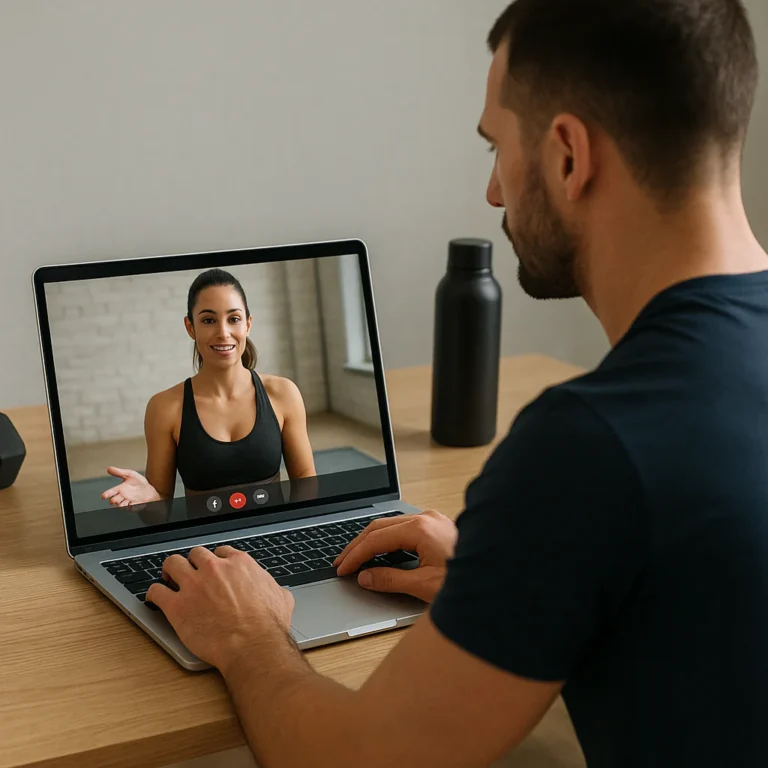
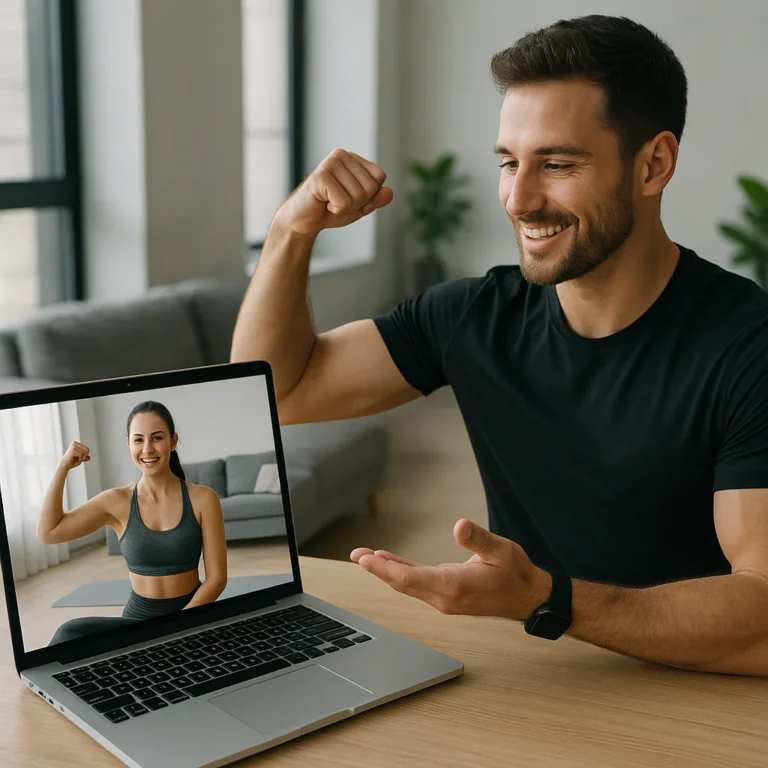
When you ask what should I look for when choosing a virtual personal trainer, the answer is simple: prioritize NCCA-acredited credentials and a live, interactive coaching style over generic, pre-recorded PDFs. Don’t settle for a digital ghost; you need a human who can see your form in real-time and adjust your plan on the fly.
Many people jump into the virtual fitness world expecting a miracle, only to get stuck with a “one-size-fits-all” app that ignores their specific injuries. We’ve seen clients waste months on cookie-cutter programs that actually made their lower back pain worse because the trainer couldn’t see them squating in a grainy video call.
The truth is, the best virtual trainers offer personalized accountability that rivals, and sometimes beats, in-person sessions. In fact, recent data suggests that clients with a dedicated virtual coach are 3x more likely to stick to their fitness goals compared to those going it alone.
So, how do you separate the pros from the pretenders? It comes down to checking their tech stack, verifying their certifications, and ensuring their communication style matches your personality.
Key Takeaways
- Credentials are King: Always verify that your trainer holds a current certification from a NCCA-acredited organization like ACE, NASM, or NSCA.
- Live vs. Recorded: Distinguish between virtual training (live video interaction) and online coaching (pre-recorded content) to ensure you get the real-time form correction you need.
- Tech Matters: Ensure your potential trainer uses HD video and a stable platform to accurately assess your movement patterns.
- Customization is Non-Negotiable: Avoid generic plans; a great trainer adapts workouts to your available equipment, schedule, and injury history.
- Trial Before You Commit: Always utilize trial periods or discovery calls to test the trainer’s communication style and tech setup before signing a contract.
Table of Contents
- ⚡️ Quick Tips and Facts
- 🕰️ The Evolution of Fitness: From Gym Floor to Your Living Room
- 🔍 1. Credentials That Actually Matter: Certifications & Specializations
- 🎥 2. Tech Stack & Connectivity: Is Your Trainer Ready for High-Definition?
- 🗣️ 3. Communication Style & Coaching Philosophy: Do You Speak the Same Language?
- 📋 4. Customization vs. Cookie-Cutter Plans: How Personalized is Your Program?
- 📱 5. App Ecosystem & Progress Tracking: Beyond the Spreadsheet
- 💰 6. Pricing Models & Value: Understanding Subscription Tiers and Hidden Fees
- 🛡️ 7. Safety Protocols & Liability: What Happens When Things Go Wrong?
- 🤝 8. Trial Periods & Money-Back Guarantes: Testing the Waters Before Diving In
- 🏆 9. Client Reviews & Success Stories: Separating Hype from Reality
- 🧠 10. Niche Expertise: Finding a Coach for Your Specific Goals (Weight Loss, Strength, Rehab)
- 🚀 1. Onboarding Experience: How Smooth is the First Week?
- 📊 12. Accountability Mechanisms: Who’s Checking In When You Slack Off?
- 💡 Quick Tips and Facts: The Virtual Training Cheat Sheet
- 🏁 Conclusion: Picking the Perfect Partner for Your Fitness Journey
- 🔗 Recommended Links
- ❓ FAQ: Your Burning Questions About Virtual Personal Training Answered
- 📚 Reference Links
⚡️ Quick Tips and Facts
Before you scroll through endless profiles and get lost in the digital abyss, let’s hit the pause button and drop some hard truths about the virtual training landscape. We’ve seen it all, from the “guru” who promises six-pack abs in a week to the certified pro who actually knows how to fix your lower back pain.
Here is the no-nonsense cheat sheet you need right now:
- ✅ Credentials are Non-Negotiable: If a trainer doesn’t have a certification from a NCCA-acredited body (like ACE, NASM, or NSCA), run. Fast. Learn more about fitness certifications here.
- ✅ Tech Matters More Than You Think: A blurry video feed means a trainer can’t see your form. If they can’t see your knees caving in, they can’t stop you from tearing an ACL.
- ✅ “One-Size-Fits-All” is a Myth: Any program you can download for $5 is likely generic. A true virtual personal trainer builds a plan around your schedule, your equipment, and your injuries.
- ✅ The “Virtual” vs. “Online” Distinction: Confused? You should be. Virtual training usually means live, real-time video sessions (like Zoom). Online coaching often means pre-recorded videos and app-based check-ins. We’ll break down exactly which one you need later.
- ✅ Safety First: Always consult a physician before starting a new regimen, especially if you have pre-existing conditions. Check out our Health and Wellness Tips for a deeper dive.
Did you know? According to the American Council on Exercise (ACE), virtual training adoption skyrocketed during the pandemic, but the retention rates depend entirely on the quality of the connection between coach and client. It’s not just about the workout; it’s about the relationship.
🕰️ The Evolution of Fitness: From Gym Floor to Your Living Room
Remember the days when “personal training” meant a guy in a neon tank top yelling at you to do one more rep while you sweated through a $20 membership fee? Those days aren’t gone, but they’ve definitely evolved.
The journey from the gym floor to your living room wasn’t just a reaction to a global pandemic; it was a technological revolution. We moved from the clunky “online coaching” of the early 20s—where you’d get a PDF via email and hope for the best—to the high-definition, real-time virtual personal training experience we have today.
The Shift in Dynamics
In the past, if you wanted a trainer, you had to be at the same location at the same time. Now? You can train with a specialist in corrective exercise in London while you’re in your kitchen in Ohio.
The First Video Perspective:
In the video discussion we referenced earlier (check out the full breakdown below), the speaker highlighted a crucial distinction that many people miss. He noted that Virtual Personal Training is essentially an in-person session conducted online, offering live form correction and immediate feedback. In contrast, Online Coaching is often a “set it and forget it” model with pre-recorded content.
- Virtual Training: High accountability, live interaction, “cracking the whip” in real-time.
- Online Coaching: Best for self-starters who need structure but not constant supervision.
The speaker admitted he initially thought online coaching was a “huge scam” but realized it serves a different demographic. Which one fits your personality? That’s the million-dollar question we’ll answer in the “Communication Style” section.
🎥 Watch the breakdown of Virtual vs. Online Coaching here
The rise of apps like Trainerize, TrueCoach, and MyFitnessPal has democratized fitness. But with great power comes great responsibility: chosing the right human to guide you. It’s no longer about finding the cheapest option; it’s about finding the smartest fit.
🔍 1. Credentials That Actually Matter: Certifications & Specializations
Let’s cut to the chase: Anyone can call themselves a “fitness coach” on Instagram. But not everyone can keep you safe or get you results. When you are hiring a virtual personal trainer, you are trusting them with your body, often without them being able to physically touch you to correct your form. This makes their credentials your only safety net.
The “Big Four” You Should Know
We don’t care about certificates from “weekend workshops” or online courses that cost $50 and take two hours. We care about NCCA-acredited certifications. These require rigorous testing, continuing education, and a deep understanding of anatomy and physiology.
| Certification Body | Full Name | Best For | Why It Matters |
|---|---|---|---|
| ACE | American Council on Exercise | General Fitness, Behavior Change | Focuses heavily on the “coaching” aspect and client psychology. |
| NASM | National Academy of Sports Medicine | Corrective Exercise, Injury Prevention | Famous for the OPT™ model; great for fixing imbalances. |
| NSCA | National Strength and Conditioning Association | Strength, Power, Athletic Performance | The gold standard for serious athletes and strength coaches. |
| ACSM | American College of Sports Medicine | Clinical Exercise, Medical Populations | Ideal if you have health issues or are working with older adults. |
Red Flag Alert: If a trainer lists a certification that isn’t on this list (or similar reputable ones), ask them to show you the accreditation. If they hesitate, move on.
Beyond the Basics: Specializations Matter
Once you have the base certification, look for specializations that match your goals.
- Weight Loss: Look for credentials in behavioral psychology or nutrition coaching (like Precision Nutrition).
- Post-Rehab: Ensure they have a Corrective Exercise Specialist (CES) or similar rehab-focused credential.
- Prenatal/Postnatal: This is non-negotiable. You need a trainer certified in pre- and post-natal fitness to avoid injury.
Pro Tip: Don’t just look at the logo on their website. Ask them: “How many hours of continuing education have you completed this year?” A good trainer is always learning. Read more about industry news and trends here.
🎥 2. Tech Stack & Connectivity: Is Your Trainer Ready for High-Definition?
You wouldn’t hire a pilot who can’t read a map, right? Similarly, you shouldn’t hire a virtual personal trainer who can’t handle a stable video connection. The technology is the bridge between you and your coach. If that bridge is shaky, your results will crumble.
The Minimum Tech Requirements
Before signing up, ask your potential trainer about their tech stack. Here is what you need to look for:
- Video Quality: They must use HD video (720p or 1080p). If they are using a grainy, pixelated feed, they can’t see your knee alignment.
- Audio Clarity: Bad audio means missed cues. They should have a decent microphone or a quiet environment.
- Platform Stability: Are they using Zoom, Google Meet, Skype, or a proprietary app?
Zoom/Google Meet: Great for live interaction, but you need to manage your own camera angles.
Proprietary Apps: Often offer better integration with workout tracking and video libraries.
The “Camera Angle” Problem
One of the biggest challenges in virtual training is the camera angle. In a gym, a trainer can walk around you. At home, you are stuck with one camera.
- The Solution: A good trainer will teach you how to set up your phone or webcam to capture multiple angles (front, side, and back) or use a dual-camera setup.
- The Test: Ask them, “How do you handle form correction if I can only show you one angle?” If they say, “Just do your best,” that’s a no-go. They should have a plan for you to record and send videos for review.
Real Brand Example: Many top trainers use Trainerize or TrueCoach because these platforms allow for video analysis where you can draw on the screen to correct form.
Question: What happens if your internet cuts out mid-session? Does the trainer have a backup plan? (We’ll cover this in the “Safety Protocols” section).
🗣️ 3. Communication Style & Coaching Philosophy: Do You Speak the Same Language?
This is the secret sauce of virtual training. You can have the most certified trainer in the world, but if they yell at you like a drill sergeant when you need a gentle nudge, you’ll quit in a week.
Finding Your “Coach Match”
Trainers generally fall into a few archetypes:
- The Drill Sergeant: High energy, loud, pushes you to your limit. Great for people who need a kick in the pants.
- The Nurturer: Supportive, empathetic, focuses on mental health and consistency. Great for beginners or those recovering from burnout.
- The Scientist: Data-driven, explains the “why” behind every rep, focuses on biomechanics. Great for analytical minds.
- The Motivator: Focuses on mindset, goal setting, and keeping you excited.
How to Test the Waters:
Most reputable platforms, like Trainiac or Future, offer a discovery call. Use this time to ask:
- “How do you handle clients who miss a workout?”
- “What is your communication style between sessions?”
- “Do you prefer text, voice notes, or video calls?”
Insight: A study by the International Sports Sciences Association (ISSA) found that client retention is 3x higher when the coaching style matches the client’s personality. Don’t be afraid to ask for a switch if the vibe is off.
The “Texting” Trap:
Some trainers promise 24/7 texting support. Be careful. If they are texting you at 2 AM, they might be burning out, or they might be a bot. Real human connection requires boundaries. A good trainer will set clear expectations for response times (e.g., “I respond within 24 hours”).
📋 4. Customization vs. Cookie-Cutter Plans: How Personalized is Your Program?
Here is the million-dollar question: Is your plan actually yours?
Many “virtual trainers” sell you a generic PDF plan they use for 50 other clients. They might change your name, but the exercises are the same. This is not virtual personal training; this is online coaching at its worst.
The Hallmarks of a Truly Customized Plan
A true virtual personal trainer will:
- Assess Your Equipment: Do you have a full gym, a pair of dumbells, or just a yoga mat? They should adapt the workout to your reality.
- Account for Your Schedule: If you only have 20 minutes on Tuesdays, they shouldn’t give you a 60-minute program.
- Address Your Injuries: If you have a bad knee, they should know before you start, not after you get hurt.
- Progressive Overload: The plan should evolve. If you are doing the same squats in month 3 as you did in month 1, you aren’t progressing.
The “Cookie-Cutter” Red Flags
❌ Generic PDFs: If the first thing you get is a static PDF, be wary.
❌ No Check-ins: If they don’t ask how you felt after the workout, they aren’t listening.
❌ One-Size-Fits-All Nutrition: Unless they are a registered dietitian, they shouldn’t be giving you a rigid meal plan. They should offer guidance and flexibility.
Fact: According to ACE, personalized programs lead to a 40% higher adherence rate compared to generic plans.
Real Brand Example: Platforms like Future pride themselves on 1-on-1 coaching where the trainer builds your plan from scratch based on your daily check-ins.
📱 5. App Ecosystem & Progress Tracking: Beyond the Spreadsheet
Gone are the days of Excel spreadsheets and handwritten logs. The modern virtual personal trainer uses a sophisticated app ecosystem to track your progress, manage your schedule, and keep you accountable.
What to Look for in a Training App
A good app should be more than just a workout list. It should be a holistic dashboard:
- Video Library: High-quality demos of every exercise.
- Form Submission: Ability to upload videos of your form for review.
- Progress Metrics: Tracking weight, reps, sets, and even mood/sleep data.
- Messaging: Integrated chat with your trainer.
- Calendar Sync: So you never miss a session.
Top Apps in the Game
- Trainerize: The industry standard for independent trainers. Allows for custom branding, video analysis, and meal planning.
- TrueCoach: Focused on strength and conditioning, great for athletes.
- MyFitnessPal: Often integrated for nutrition tracking.
- Hevy / Strong: Great for logging workouts if your trainer doesn’t have a custom app.
The “App Fatigue” Factor:
Be careful not to get overwhelmed. If your trainer makes you download five different apps to track one thing, that’s a bad sign. The best systems are integrated and user-friendly.
Tip: Ask your trainer, “What app do you use, and how easy is it to navigate?” If they can’t explain it clearly, imagine how hard it will be to use it every day.
💰 6. Pricing Models & Value: Understanding Subscription Tiers and Hidden Fees
Let’s talk money. Virtual personal training is generally cheaper than in-person training, but the price range is vast. You can find “coaches” for $50/month and elite trainers for $30+/month.
Understanding the Tiers
- The “App-Only” Tier ($30 – $80/month): Usually includes a pre-made plan, automated check-ins, and limited messaging. Good for self-starters.
- The “Hybrid” Tier ($10 – $20/month): Includes a custom plan, weekly video calls, and regular messaging. This is the sweet spot for most people.
- The “Premium 1-on-1” Tier ($250+ /month): Includes live video sessions, daily check-ins, and full customization. Comparable to in-person rates but with more flexibility.
Hidden Fees to Watch Out For
- Setup Fees: Some trainers charge a one-time fee for creating your initial plan.
- Cancellation Fees: Check the policy. Some require 24-hour notice, others charge for missed sessions.
- Equipment Costs: Ensure the plan doesn’t require you to buy expensive gear immediately.
Value vs. Cost:
Don’t just look at the price tag. Look at the ROI (Return on Investment). A $20/month trainer who keeps you consistent for a year is cheaper than a $50/month trainer you quit after a month.
Insight: As noted in the Trainiac summary, virtual training can be one-tenth the cost of in-person training while offering similar quality. But remember: you get what you pay for.
🛡️ 7. Safety Protocols & Liability: What Happens When Things Go Wrong?
This is the section most people skip, but it’s the most important. When you are training alone at home, who is responsible if you get hurt?
The Liability Gap
In a gym, the facility has insurance, and the trainer is on-site. At home, you are the facility.
- Waivers: Always sign a liability waiver before starting. This protects the trainer and clarifies that you are responsible for your own safety.
- Medical Clearance: A good trainer will ask for a PAR-Q (Physical Activity Readiness Questionaire) or a doctor’s clearance if you have health issues.
Emergency Protocols
Ask your trainer:
- “What do I do if I feel sharp pain during a workout?”
- “Do you have a protocol for checking in if I don’t show up?”
- “How do you handle form corrections if I can’t see myself?”
The “Stop” Signal:
Establish a safe word or signal. If you feel pain, you stop immediately. A good trainer will respect this and never push you through pain.
Fact: According to the National Safety Council, most gym injuries happen due to por form or overexertion. A virtual trainer’s job is to prevent this through education and monitoring.
🤝 8. Trial Periods & Money-Back Guarantes: Testing the Waters Before Diving In
Would you buy a car without a test drive? Probably not. So why buy a virtual training program without a trial?
The Importance of the Trial
Most reputable trainers offer a free consultation or a low-cost trial week. This allows you to:
- Test their tech setup.
- Gauge their communication style.
- See if their plan makes sense for you.
Red Flags in Guarantes
- “No Refunds Ever”: This is a huge red flag. It suggests they don’t care if you’re happy.
- Long Contracts: Avoid 6-month or 12-month contracts unless you are 10% sure. Look for month-to-month options.
- Pressure Tactics: If they try to rush you into signing up, walk away.
Tip: A good trainer will say, “Let’s see if we’re a good fit before you commit.”
🏆 9. Client Reviews & Success Stories: Separating Hype from Reality
Social media is full of “before and after” photos. But are they real? And more importantly, are they relevant to you?
How to Read Reviews
- Look for Specifics: “Lost 20 lbs” is vague. “Lost 20 lbs while managing my back pain” is specific and relevant.
- Check the Date: A review from 2018 might not reflect the trainer’s current methods.
- Read the Negative Reviews: What are people complaining about? Is it about the price, the communication, or the results?
The “Success Story” Trap
Don’t be swayed by a single success story. Look for patterns. If 90% of reviews say the trainer is great, but one says they are unresponsive, that’s a pattern.
Real Brand Example: Trainiac boasts a 95% 5-star review rate, but they also highlight the importance of matching the right trainer to the right client.
🧠 10. Niche Expertise: Finding a Coach for Your Specific Goals (Weight Loss, Strength, Rehab)
Not all trainers are created equal. A bodybuilding coach might not be the best fit for someone recovering from a knee injury.
Matching Your Goal to the Expert
- Weight Loss: Look for a trainer with a focus on behavioral change and nutrition.
- Strength/Hypertrophy: Look for a strength and conditioning specialist (NSCA certified).
- Rehab/Injury: Look for a Corrective Exercise Specialist or someone with a background in physical therapy.
- Prenatal/Postnatal: Ensure they have specific prenatal certification.
Question: What if your goal changes? Can your trainer adapt? A good trainer will evolve with you.
🚀 1. Onboarding Experience: How Smooth is the First Week?
The first week sets the tone for the entire journey. A smooth onboarding process is a sign of a professional trainer.
The Ideal Onboarding Flow
- Intake Form: Detailed questions about your goals, injuries, and schedule.
- Tech Setup: Clear instructions on how to download the app and set up your camera.
- Initial Assessment: A video call to discuss your goals and assess your current fitness level.
- First Plan Delivery: A customized plan delivered within 24-48 hours.
- Check-in: A follow-up message to see how the first workout went.
Red Flags:
- No communication for a week after signing up.
- Generic plan sent immediately without an assessment.
- Confusing tech instructions.
📊 12. Accountability Mechanisms: Who’s Checking In When You Slack Off?
The biggest advantage of a virtual personal trainer is accountability. But how do they keep you on track?
Types of Accountability
- Daily Check-ins: A quick text or voice note to say “Did you train?”
- Weekly Reviews: A video call to discuss progress and adjust the plan.
- Gamification: Apps that reward you for hitting streaks.
- Community: Access to a group of other clients for support.
Insight: According to a study by the American Society of Training and Development, having a commitment partner increases your success rate by 65%.
The “Slack Off” Scenario:
What happens when you miss a workout? A good trainer will check in and ask why, not just scold you. They will help you get back on track without judgment.
💡 Quick Tips and Facts: The Virtual Training Cheat Sheet
Let’s recap the golden rules of choosing a virtual personal trainer:
- ✅ Verify Credentials: NCCA-acredited only.
- ✅ Test the Tech: HD video and clear audio are non-negotiable.
- ✅ Match the Style: Drill sergeant or nurturer? Find your match.
- ✅ Demand Customization: No generic PDFs.
- ✅ Check the App: It should be user-friendly and integrated.
- ✅ Understand the Cost: Look for value, not just the lowest price.
- ✅ Prioritize Safety: Waivers and medical clearance are essential.
- ✅ Try Before You Buy: Use trial periods.
- ✅ Read Reviews: Look for patterns, not just hype.
- ✅ Match the Niche: Ensure they specialize in your specific goal.
Final Thought: The best virtual trainer is the one who makes you feel supported, challenged, and safe. Don’t settle for less.
🏁 Conclusion: Picking the Perfect Partner for Your Fitness Journey

So, we’ve covered the credentials, the tech, the communication styles, and the safety protocols. But remember the question we started with: How do you choose the right virtual personal trainer?
The answer isn’t a single checklist; it’s a holistic fit. You need a trainer who not only knows their stuff but also gets you. Whether you need a drill sergeant to push you or a nurturer to guide you, the right match will make all the difference.
The Verdict:
- If you need live interaction and real-time form correction, go for Virtual Training (live video).
- If you are self-motivated and just need a custom plan, Online Coaching might be enough.
- Never compromise on credentials or safety.
- Always test the waters with a trial before committing.
Our Top Recommendation:
Start by identifying your primary goal and your preferred communication style. Then, look for a trainer who specializes in that area and has the tech to support it. Don’t be afraid to ask questions, request a trial, and switch if it’s not a fit.
Ready to take the leap?
Explore our top-rated virtual trainers here and start your journey today.
🔗 Recommended Links
Here are some of the best tools and resources to help you on your virtual training journey:
- Trainerize: Shop Trainerize on Amazon | Trainerize Official Website
- TrueCoach: Shop TrueCoach on Amazon | TrueCoach Official Website
- MyFitnessPal: Shop MyFitnessPal on Amazon | MyFitnessPal Official Website
- The New Balance 860 Walking Shoe (Recommended for Walkers): Shop New Balance 860 on Amazon | New Balance Official Website
- Book: “The New Rules of Lifting” by Lou Schuler: Shop on Amazon
- Book: “Atomic Habits” by James Clear: Shop on Amazon
❓ FAQ: Your Burning Questions About Virtual Personal Training Answered

How much does a virtual personal trainer cost per month?
The cost varies widely depending on the level of service. App-only plans can range from $30 to $80 per month. Hybrid plans with weekly check-ins typically cost $10 to $20 per month. Premium 1-on-1 live training can cost $250+ per month. Remember, you are paying for expertise, customization, and accountability, not just a workout plan.
Read more about “🏆 15 Best Fitness Coaching Apps to Transform Your Body (2026)”
What equipment do I need to start training with a virtual trainer?
It depends on your trainer’s plan, but most virtual trainers can design effective workouts using bodyweight or minimal equipment like dumbells, resistance bands, and a yoga mat. If you have a home gym, even better! Always discuss your available equipment during the initial assessment.
Read more about “🎯 How to Choose an Online Personal Trainer in 2026: 7 Steps to Your Perfect Match”
Are online personal trainers as effective as in-person sessions?
Yes, but with a caveat. Studies show that virtual training can be just as effective as in-person training for weight loss, strength gain, and improving fitness, provided the trainer is skilled and the client is committed. The key difference is the lack of hands-on correction, which is why video quality and communication are critical.
Read more about “Is It Worth Taking a Personal Trainer? (2026) 🏋️ ♂️”
How do I choose a certified virtual fitness coach?
Look for NCCA-acredited certifications (ACE, NASM, NSCA, ACSM). Check their specializations to ensure they match your goals. Read reviews and ask for a trial session. Don’t be swayed by social media fame; focus on credentials and experience.
Read more about “🏆 15 Best Remote Personal Trainer Programs (2026)”
Can a virtual trainer create a customized meal plan for me?
If your trainer is a Registered Dietitian (RD) or has a nutrition certification, they can create a customized meal plan. However, many trainers provide general nutrition guidance and meal ideas rather than strict diet plans. Always check their qualifications before relying on their nutritional advice.
Read more about “🚀 Are Online Trainers Effective? The 2026 Truth (10 Reasons Why)”
What technology or apps are required for online personal training?
You will need a smartphone or tablet with a camera, a stable internet connection, and a video conferencing app (like Zoom or Google Meet) or a dedicated training app (like Trainerize or TrueCoach). Some trainers may also require you to use a fitness tracker or smartwatch to monitor your progress.
Read more about “🤔 What Does a Remote Personal Trainer Do? (2026 Guide)”
How often should I schedule sessions with my virtual trainer?
This depends on your goals and budget. Most clients schedule 1-3 live sessions per week, with daily or weekly check-ins via text or app. The frequency should be agreed upon during the onboarding process and adjusted as needed.
Read more about “🏠 Will a Personal Trainer Come to My House? (2026 Guide)”
📚 Reference Links
- American Council on Exercise (ACE): ACE Certification
- National Strength and Conditioning Association (NSCA): NSCA Certification
- National Academy of Sports Medicine (NASM): NASM Certification
- American College of Sports Medicine (ACSM): ACSM Certification
- Susan G. Komen 3-Day for the Cure: Virtual Personal Trainer Gear Guide
- Trainiac Fit: What to Look for in a Personal Trainer
- YMCA Personal Training: YMCA Personal Training Options
- National Safety Council: Gym Safety Tips
- International Sports Sciences Association (ISSA): Coaching Styles and Client Retention