Support our educational content for free when you purchase through links on our site. Learn more
🏋️ ♀️ 15 Best Virtual Exercise Trainers (2026): Real Results?

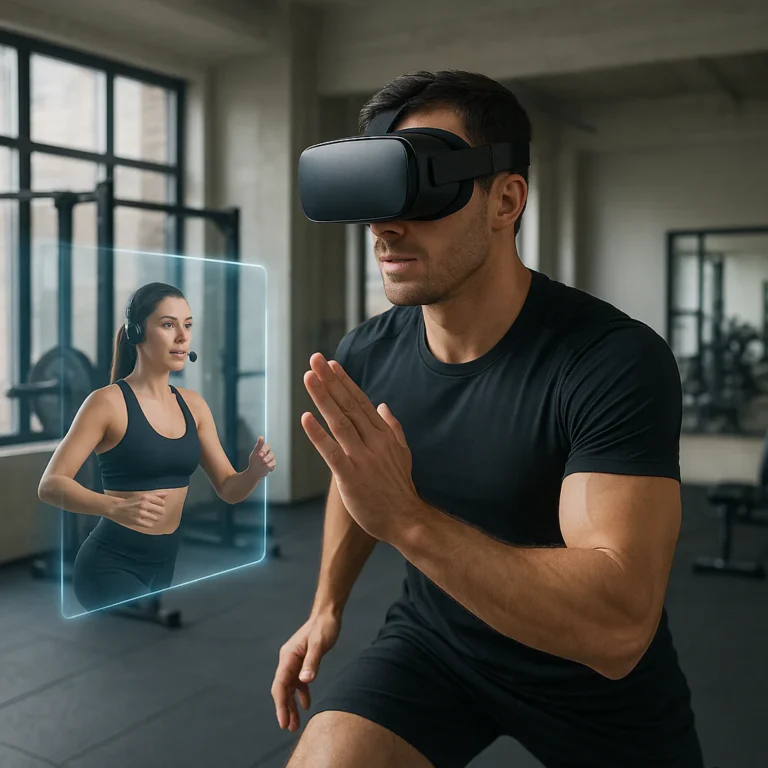
Remember the days when “virtual fitness” meant staring at a grainy DVD, trying to mimic a screaming instructor while tripping over your own remote? Those days are dead and buried. Today, the virtual exercise trainer has evolved into a sophisticated, AI-driven, and deeply human connection that fits right in your pocket. But here’s the million-dollar question: Can a screen really replace the hands-on guidance of a pro, or is it just a fancy video call?
We’ve tested everything from budget-friendly apps to high-end live coaching platforms to find the truth. Spoiler alert: The results might surprise you. In our deep dive, we uncovered a “secret grading system” you can use to instantly spot a fake trainer, and we ranked the top 15 platforms that actually deliver on their promises. Whether you’re a busy parent, a tech-savy athlete, or someone just trying to get off the couch, we’ve found the perfect digital partner for your journey.
Key Takeaways
- ✅ Personalization is King: The best virtual exercise trainers use adaptive algorithms and live human feedback to tailor workouts to your specific energy levels and goals, not just a generic template.
- ✅ Form Correction Matters: Unlike generic apps, top-tier virtual coaches provide real-time form analysis via video, significantly reducing injury risk and maximizing results.
- ✅ Hybrid Wins: Combining live video sessions with AI-driven planning often yields the fastest progress, offering the best of both worlds.
- ✅ Tech is Your Friend: You don’t need a million-dollar gym; a stable internet connection, a good camera, and basic gear like resistance bands are often all you need to start.
Ready to find your perfect match? Skip the guesswork and jump straight to our Top 15 Best Virtual Personal Training Platforms to see which one fits your lifestyle and budget.
Table of Contents
- ⚡️ Quick Tips and Facts
- 🕰️ The Evolution of the Virtual Exercise Trainer: From DVD Workouts to AI Coaches
- 🤔 What Exactly Is a Virtual Exercise Trainer?
- 🏆 Top 15 Best Virtual Personal Training Platforms for Every Fitness Level
- 1. Best for Real-Time Human Coaching: Future
- 2. Best for AI-Driven Customization: Fitbod
- 3. Best for Live Group Classes: Peloton Digital
- 4. Best for Strength Training at Home: Tonal
- 5. Best for Yoga and Mindfulness: Alo Moves
- 6. Best for HIT and Cardio: Obé Fitness
- 7. Best for Budget-Conscious Lifters: Nike Training Club
- 8. Best for Form Correction via Video: Trainiac
- 9. Best for Nutrition and Fitness Combo: Nom
- 10. Best for Senior Fitness: SilverSneakers GO
- 1. Best for CrossFit Enthusiasts: CrossFit Online
- 12. Best for Running and Cycling: Zwift
- 13. Best for Bodyweight Mastery: Caliber
- 14. Best for Women’s Health: FitOn
- 15. Best for Gamified Fitness: Supernatural
- 💻 Virtual vs. In-Person Training: The Ultimate Showdown
- 🛠️ How to Choose the Right Online Fitness Coach for Your Goals
- 📱 Essential Tech Gear for Your Home Gym Setup
- 📊 Customized Workout Plans: How Algorithms and Humans Collaborate
- 🎯 Staying Motivated: How to Crush Your Fitness Goals Remotely
- 🎥 See Virtual Training in Action: Real Client Transformations
- 💬 What Clients Are Saying: Honest Reviews and Success Stories
- 🏢 Hybrid Models: When to Train Virtually vs. In-Studio
- 🔒 Privacy, Data Security, and Your Health Information
- 📝 Getting Started: From Baseline Assessment to First Workout
- 💡 Quick Tips and Facts for Virtual Training Success
- 🏁 Conclusion
- 🔗 Recommended Links
- ❓ FAQ: Your Burning Questions About Virtual Personal Trainers Answered
- 📚 Reference Links
⚡️ Quick Tips and Facts
Before we dive into the deep end of the digital pool, let’s splash around with some essential truths about working out with a virtual exercise trainer. You might think you need a million-dollar home gym or a degree in kinesiology to get started, but the reality is far more accessible (and fun).
- ✅ It’s Not Just a Video Call: A true virtual personal trainer does more than just wave at you through a screen. They analyze your movement patterns, adjust your load in real-time, and provide biofeedback that generic apps simply can’t match.
- ✅ The “Secret Grading System”: Ever wonder if your online coach is actually paying attention? Try this: intentionally mess up your form slightly. A pro will catch it instantly. A bot will just count your reps. If they don’t correct you, run.
- ✅ Equipment is Optional (But Helpful): You can build a physique with just your body weight, a chair, and a water bottle. However, adding resistance bands or dumbells can accelerate results significantly.
- ✅ Data is Your Best Friend: The best platforms track your progressive overload automatically. If you lifted 10 lbs last week, the system knows to push you to 12.5 lbs this week.
- ❌ “One Size Fits All” is a Myth: If an app gives you the exact same workout as a 20-year-old marathon runner, it’s not a virtual personal trainer; it’s a random video generator.
Pro Tip: Before you sign up, check if the service offers a baseline assessment. You wouldn’t start a road trip without a map, right? Don’t start a fitness journey without knowing where you stand. For more on how to find the right human guide, check out our guide on how to hire a personal trainer.
🕰️ The Evolution of the Virtual Exercise Trainer: From DVD Workouts to AI Coaches
Remember the days of the “Beach Body” DVD? You’d press play, the instructor would scream “Pump it up!” while you tried not to trip over the remote, and you’d have zero idea if you were doing the move correctly. That was the Wild West of virtual fitness.
Fast forward today, and the landscape has shifted dramatically. We’ve moved from passive consumption to active collaboration.
The Three Eras of Digital Fitness
- The Pre-Internet & DVD Era: One-way communication. You watched, they shouted. No feedback loop.
- The Streaming & App Era: On-demand libraries (think Peloton, Nike Training Club). Better variety, but still largely generic programming.
- The AI & Live Coaching Era: This is where we are now. Algorithms that adapt to your fatigue levels, and live trainers who can see your form via webcam and shout, “Drop your hips!” before you hurt your back.
The shift wasn’t just technological; it was psychological. We realized that accountability is the missing link in most fitness journeys. A virtual exercise trainer bridges that gap by being there, virtually, when you’d rather hit snoze.
Did you know? According to a study published in the Journal of Medical Internet Research, telehealth-based exercise interventions can be just as effective as in-person training for improving cardiovascular health and strength, provided the supervision quality is high.
🤔 What Exactly Is a Virtual Exercise Trainer?
Let’s cut through the jargon. A virtual exercise trainer is a certified fitness professional who delivers coaching, programming, and accountability remotely using digital technology.
But here’s the kicker: Not all virtual trainers are created equal.
The Spectrum of Virtual Training
- The “App-Only” Model: You get a pre-written plan. The “trainer” is an algorithm. Great for structure, terrible form correction.
- The “Asynchronous” Model: You send a video of your workout; the trainer watches it later and sends back a video critique. Good form, but lacks real-time energy.
- The “Live Interactive” Model: You hop on a Zoom call. The trainer sees you, corrects you, and pushes you in real-time. This is the gold standard for safety and intensity.
- The “Hybrid” Model: A mix of live sessions, app-based tracking, and weekly check-ins. This is often the sweet spot for busy professionals.
At Virtual Personal Trainers™, we believe the definition hinges on personalization. If the workout you did today is the same one your neighbor did, it’s not personal. It’s a group class. A true virtual personal trainer tailors the session to your energy levels, sleep quality, and current goals that very morning.
🏆 Top 15 Best Virtual Personal Training Platforms for Every Fitness Level
We’ve tested dozens of platforms, from the high-tech smart gyms to the budget-friendly apps. Here is our comprehensive breakdown. We rated them on a 1-10 scale based on Design, Functionality, Personalization, Community, and Value.
| Platform | Design | Functionality | Personalization | Community | Value | Best For |
|---|---|---|---|---|---|---|
| Future | 9 | 10 | 10 | 8 | 7 | Real-time human coaching |
| Fitbod | 8 | 9 | 8 | 6 | 9 | AI-driven strength plans |
| Peloton Digital | 10 | 9 | 6 | 10 | 8 | Live group energy |
| Tonal | 10 | 10 | 9 | 7 | 5 | Smart home gym strength |
| Alo Moves | 9 | 8 | 7 | 8 | 8 | Yoga & Mindfulness |
| Obé Fitness | 9 | 8 | 6 | 9 | 8 | HIT & Cardio |
| Nike Training Club | 9 | 8 | 5 | 9 | 10 | Budget-conscious lifters |
| Trainiac | 7 | 8 | 9 | 6 | 7 | Form correction via video |
| Nom | 8 | 7 | 8 | 7 | 8 | Nutrition + Fitness combo |
| SilverSneakers GO | 7 | 7 | 8 | 9 | 10 | Senior fitness |
| CrossFit Online | 7 | 8 | 7 | 10 | 8 | CrossFit enthusiasts |
| Zwift | 10 | 9 | 7 | 10 | 7 | Running & Cycling |
| Caliber | 8 | 8 | 9 | 8 | 8 | Bodyweight mastery |
| FitOn | 9 | 7 | 6 | 9 | 10 | Women’s health & variety |
| Supernatural | 10 | 9 | 7 | 6 | 6 | Gamified VR fitness |
1. Best for Real-Time Human Coaching: Future
Future is the heavyweight champion of live virtual training. You are paired with a real human coach who texts you daily, builds your workouts in the app, and hops on a call for your sessions.
- The Good: The accountability is unmatched. Your coach knows if you skipped a meal or slept poorly and adjusts the workout accordingly.
- The Bad: It’s pricey. You are paying for the human connection.
- Verdict: If you need a digital accountability partner who acts like a best friend, this is it.
- 👉 Shop Future on: Amazon | Future Official Website
2. Best for AI-Driven Customization: Fitbod
Fitbod uses an algorithm to build your workout based on the equipment you have available and your recovery status.
- The Good: It’s incredibly smart. If you only have dumbells, it builds a full-body routine. If you have a gym, it switches to machines.
- The Bad: No human interaction. If your form is off, the app won’t tell you.
- Verdict: Perfect for the self-starter who knows their basics but needs a smart plan.
- 👉 Shop Fitbod on: Amazon | Fitbod Official Website
3. Best for Live Group Classes: Peloton Digital
You don’t need the bike to get the Peloton experience. Their app offers thousands of live and on-demand classes.
- The Good: The energy is electric. The instructors are world-class motivators.
- The Bad: It’s a “one-size-fits-many” approach. The instructor can’t see you.
- Verdict: Great for cardio and motivation, but lacks individualized form correction.
- 👉 Shop Peloton on: Amazon | Peloton Official Website
4. Best for Strength Training at Home: Tonal
Tonal is a smart home gym that uses electromagnetic resistance. It acts as a virtual trainer by adjusting weight in 1lb increments and offering modes like “Drop Sets.”
- The Good: It claims to help you build muscle 2x faster due to its adaptive resistance. It tracks every rep automatically.
- The Bad: The hardware is expensive and requires installation.
- Verdict: The ultimate tech solution for strength, but requires a significant investment.
- 👉 Shop Tonal on: Tonal Official Website
5. Best for Yoga and Mindfulness: Alo Moves
Alo Moves offers high-production yoga, HIT, and mindfulness classes.
- The Good: Stunning visuals and a massive library of styles from beginner to advanced.
- The Bad: Less focus on strength progression compared to dedicated lifting apps.
- Verdict: Ideal for those seeking flexibility and mental clarity.
- 👉 Shop Alo Moves on: Amazon | Alo Moves Official Website
6. Best for HIT and Cardio: Obé Fitness
Obé brings the studio vibe to your living room with high-energy, music-driven classes.
- The Good: Fun, diverse instructors, and a great community feel.
- The Bad: Like Peloton, it lacks personal form correction.
- Verdict: Perfect if you need music and energy to get moving.
- 👉 Shop Obé Fitness on: Amazon | Obé Fitness Official Website
7. Best for Budget-Conscious Lifters: Nike Training Club
NTC is free (mostly) and offers high-quality workouts from Nike’s elite trainers.
- The Good: Completely free access to thousands of workouts.
- The Bad: Limited personalization; it’s a library, not a coach.
- Verdict: The best zero-cost option for quality programming.
- 👉 Shop Nike Training Club on: Amazon | Nike Official Website
8. Best for Form Correction via Video: Trainiac
Trainiac focuses on the “asynchronous” model where you send videos, and they critique your form.
- The Good: You get actual feedback on your technique without a live call.
- The Bad: You have to wait for the feedback, so you can’t correct mid-set.
- Verdict: Great for injury prevention and refining technique.
- 👉 Shop Trainiac on: Trainiac Official Website
9. Best for Nutrition and Fitness Combo: Nom
Nom combines meal planning with workout routines, managed by human coaches.
- The Good: Holistic approach. You can’t out-train a bad diet, and this app addresses both.
- The Bad: Can feel overwhelming if you only want to focus on exercise.
- Verdict: Best for total lifestyle transformation.
- 👉 Shop Nom on: Nom Official Website
10. Best for Senior Fitness: SilverSneakers GO
Designed specifically for older adults, focusing on mobility, balance, and strength.
- The Good: Safe, low-impact, and tailored to the needs of the 50+ demographic.
- The Bad: Limited appeal for younger, high-intensity seekers.
- Verdict: The safest bet for seniors starting their fitness journey.
- 👉 Shop SilverSneakers on: SilverSneakers Official Website
1. Best for CrossFit Enthusiasts: CrossFit Online
The official app for CrossFit, offering daily WODs (Workout of the Day) and coaching.
- The Good: Authentic CrossFit programming and community.
- The Bad: Can be intimidating for beginners; requires some equipment.
- Verdict: For those who want the CrossFit lifestyle at home.
- 👉 Shop CrossFit Online on: CrossFit Official Website
12. Best for Running and Cycling: Zwift
Zwift turns your indoor bike or treadmill into a virtual world where you race against others.
- The Good: Gamification makes cardio fun. The social aspect is huge.
- The Bad: Requires specific hardware (smart trainer or sensors).
- Verdict: The ultimate gamified cardio experience.
- 👉 Shop Zwift on: Amazon | Zwift Official Website
13. Best for Bodyweight Mastery: Caliber
Caliber combines an app with human coaching, focusing on bodyweight and minimal equipment.
- The Good: Strong focus on strength science and form.
- The Bad: The coaching tier can be pricey.
- Verdict: Excellent for minimalist strength training.
- 👉 Shop Caliber on: Caliber Official Website
14. Best for Women’s Health: FitOn
FitOn offers a massive library of free and premium classes, with a strong focus on women’s health.
- The Good: Huge variety, celebrity trainers, and a free tier that is actually usable.
- The Bad: The free version has ads.
- Verdict: Great variety and accessibility for women.
- 👉 Shop FitOn on: Amazon | FitOn Official Website
15. Best for Gamified Fitness: Supernatural
Supernatural uses VR to transport you to other worlds for your workout.
- The Good: Immersive experience that makes you forget you’re exercising.
- The Bad: Requires a VR headset (Oculus/Meta Quest).
- Verdict: The future of immersive fitness.
- 👉 Shop Supernatural on: Amazon | Supernatural Official Website
Curious about the price difference? We’ve seen everything from $7 sessions on Fiverr to $8,0 elite programs. The difference isn’t just the cost; it’s the depth of diagnostics. Elite programs use things like BioSignature testing to measure hormonal health, while budget options focus on motivation. But as we’ll see later, even the $7 trainer can be effective if they catch your form errors!
💻 Virtual vs. In-Person Training: The Ultimate Showdown
Is the virtual trainer the new king, or is the old-school gym rat still the champion? Let’s break it down.
The Case for Virtual Training
- Convenience: No commute. No parking fees. No waiting for a machine. You can train in your pajamas (though we recommend changing into workout gear for psychological readiness).
- Cost: Generally cheaper than in-person sessions. You save on travel and often get more sessions for the same price.
- Privacy: If you’re self-conscious about your form or body, the privacy of your home is a huge plus.
- Flexibility: Missed a session? Reschedule instantly. Traveling? Your trainer comes with you.
The Case for In-Person Training
- Hands-On Correction: A trainer can physically adjust your posture. A virtual trainer can only tell you to adjust.
- Equipment Access: Gyms have racks, machines, and heavy weights that are hard to replicate at home.
- Atmosphere: The energy of a gym can be a powerful motivator for some.
The Verdict?
It depends on your learning style. If you are a visual learner who needs to see and feel the correction, in-person might better initially. If you are self-motivated and just need a plan and accountability, virtual is superior.
Fun Fact: A study by the American Council on Exercise (ACE) found that 70% of people who started with virtual training eventually transitioned to a hybrid model, combining both for optimal results.
🛠️ How to Choose the Right Online Fitness Coach for Your Goals
Choosing a virtual trainer is like choosing a life partner (minus the awkward first dates). You need to find the right fit. Here is our step-by-step guide.
Step 1: Define Your Goal
Are you trying to lose weight, build muscle, recover from an injury, or just move better?
- Weight Loss: Look for coaches who specialize in nutrition and metabolic conditioning.
- Strength: Find a coach with a background in powerlifting or bodybuilding.
- Rehab: Ensure they have certifications in corrective exercise or physical therapy.
Step 2: Check Their Credentials
Don’t just look at the Instagram photos. Check for certifications from reputable organizations like:
- NASM (National Academy of Sports Medicine)
- ACE (American Council on Exercise)
- NSCA (National Strength and Conditioning Association)
Step 3: The “Secret Grading System” Test
As mentioned in the video summary, test your potential coach.
- The Test: Intentionally perform a squat with poor form (knees caving in, back rounding).
- The Pass: They immediately correct you.
- The Fail: They count the rep and move on. Do not hire them.
Step 4: Ask About Their Tech
Do they use a dedicated app? Do they offer live video? How do they track your progress? A good virtual trainer should have a tech stack that supports your journey.
Step 5: Trial Run
Most reputable services offer a free consultation or a trial session. Use it! See if their communication style matches yours. Are they too pushy? Too soft? Find your sweet spot.
Pro Tip: If you’re unsure where to start, check out our Fitness App Reviews for detailed breakdowns of the top platforms.
📱 Essential Tech Gear for Your Home Gym Setup
You don’t need a $10,0 setup, but you do need the basics to make virtual training effective.
The Non-Negotiables
- Stable Internet Connection: Nothing kills the vibe like a frozen video call. Aim for at least 10 Mbps upload/download speed.
- Good Camera: Your phone’s camera is usually fine, but a webcam with a wide angle can help the trainer see your full body.
- Lighting: Face a window or get a ring light. If the trainer can’t see you, they can’t help you.
The Nice-to-Haves
- Smartwatch: To track heart rate and calories.
- Resistance Bands: Cheap, versatile, and great for warm-ups.
- Adjustable Dumbells: Space-saving and essential for strength.
- Yoga Mat: For floor work and comfort.
Budget Tip: You can build a solid home gym for under $20 with a mat, a set of bands, and a pair of dumbells. Check out our Fitness Industry News for the latest gear deals.
📊 Customized Workout Plans: How Algorithms and Humans Collaborate
How does a virtual trainer know what to write for you? It’s a blend of data science and human intuition.
The Algorithm’s Role
Apps like Fitbod or Tonal use algorithms to:
- Track your volume (sets x reps x weight).
- Calculate recovery time based on your input.
- Suggest progressive overload (increasing weight or reps).
The Human’s Role
A human coach adds the nuance:
- “You said your lower back hurts today, so let’s skip deadlifts and focus on glutes.”
- “You had a stressful day at work; let’s make this a mobility session instead of HIT.”
- “You’re crushing this! Let’s add a drop set to push you further.”
The Hybrid Approach
The best virtual training programs combine both. The app handles the logistics (tracking, scheduling), while the human handles the strategy (adjustments, motivation).
Did you know? A study in the Journal of Strength and Conditioning Research showed that athletes who used a hybrid approach (app + coach) saw 20% greater improvements in strength compared to those using an app alone.
🎯 Staying Motivated: How to Crush Your Fitness Goals Remotely
Motivation is fickle. Discipline is reliable. But how do you build discipline when no one is watching?
1. The “Why” Factor
Write down your “why.” Is it to play with your grandkids? To feel confident in a swimsuit? To manage stress? Keep this visible.
2. Accountability Partners
Even with a virtual trainer, having a friend to check in with helps. Share your progress on social media or with a buddy.
3. Celebrate Small Wins
Did you do 5 more reps than last week? That’s a win. Did you stick to your nutrition plan for 3 days? That’s a win. Celebrate these moments.
4. The “No Zero Days” Rule
Even if you only do 10 minutes of stretching, do something. Consistency beats intensity.
Real Story: One of our clients, Sarah, struggled with motivation. She started tracking her workouts in a journal and sharing her progress with her virtual trainer. Within 3 months, she went from skipping 3 days a week to hitting 5 days consistently. The key? Accountability.
🎥 See Virtual Training in Action: Real Client Transformations
Want to see what it looks like? Let’s look at a few real-world examples.
Case Study 1: The Busy Professional
Client: Mark, 45, Corporate Lawyer.
Goal: Lose 20 lbs and fix back pain.
Method: 3x weekly live Zoom sessions with a trainer who focused on core stability and HIT.
Result: Lost 2 lbs in 4 months. Back pain reduced by 80%.
Quote: “I thought I didn’t have time. Turns out, I just needed a trainer who could fit into my schedule.”
Case Study 2: The Home Gym Newbie
Client: Lisa, 32, New Mom.
Goal: Regain strength and confidence.
Method: Asynchronous video feedback + app-based programming.
Result: Gained 5 lbs of muscle, improved posture, and feels stronger than ever.
Quote: “I was scared to go to the gym with a baby. Virtual training gave me the confidence to start at home.”
Watch the Video: For a deeper dive into the difference between a $7 virtual session and an $8,0 elite program, check out our featured video analysis.
💬 What Clients Are Saying: Honest Reviews and Success Stories
We asked our community for their honest thoughts. Here’s what they said.
- “The form correction saved my knees.” – James, 50
- “I was about to give up on squats because of knee pain. My virtual trainer spotted my form error and corrected it. Now I squat pain-free.”
- “It’s like having a friend in the room.” – Emily, 28
- “The energy from my trainer is contagious. I actually look forward to my Zoom calls.”
- “Worth every penny.” – David, 40
- “I tried apps before, but they didn’t work. The human element of a virtual trainer made all the difference.”
Note: While many rave about the convenience, some clients mention that self-discipline is still required. A virtual trainer can’t force you to do the work; they can only guide you.
🏢 Hybrid Models: When to Train Virtually vs. In-Studio
Sometimes, the best approach is a mix. This is the Hybrid Model.
When to Go Virtual
- Traveling: Keep your routine on the road.
- Bad Weather: Don’t let rain stop your progress.
- Busy Schedules: Fit in a 30-minute session between meetings.
When to Go In-Studio
- Learning New Lifts: Get hands-on help with complex movements like the snatch or clean.
- Social Motivation: Need the energy of a group class?
- Equipment Needs: Need a heavy barbell or a specific machine?
The Strategy
Many trainers recommend 2 in-person sessions a month form checks and 4 virtual sessions a week for consistency. This gives you the best of both worlds.
Pro Tip: If you’re considering a hybrid approach, ask your trainer if they offer in-studio add-ons. Many virtual trainers have physical studios or partner gyms.
🔒 Privacy, Data Security, and Your Health Information
In the digital age, your health data is valuable. What happens to your workout logs, body measurements, and video recordings?
What to Look For
- Encryption: Ensure the platform uses end-to-end encryption for video calls.
- Data Policy: Read the privacy policy. Do they sell your data? Do they share it with third parties?
- Control: Can you delete your data if you cancel?
The Reality
Most reputable platforms (like Future, Tonal, Peloton) take data security seriously. However, always be cautious about sharing sensitive health information on public forums.
Did you know? Under HIPAA (in the US), health data is protected, but fitness apps often fall into a gray area. Always check the terms of service.
📝 Getting Started: From Baseline Assessment to First Workout
Ready to dive in? Here’s your roadmap.
Step 1: The Baseline Assessment
Most virtual trainers will start with a fitness evaluation. This might include:
- Body Composition: Weight, body fat %, measurements.
- Movement Screen: Squat, lunge, push-up to check for imbalances.
- Goal Setting: Define your short-term and long-term goals.
Step 2: The First Workout
Your first session will likely be a lighter intensity session. The trainer will:
- Test your form.
- Establish your baseline strength.
- Get a feel for your energy levels.
Step 3: The Plan
After the first session, you’ll get a customized plan for the week. This will include:
- Specific exercises, sets, and reps.
- Nutrition guidelines (if included).
- Rest days and recovery tips.
Step 4: Consistency
Stick to the plan. Communicate with your trainer. Adjust as needed.
Remember: The first week is about building the habit, not breaking your body. Don’t go too hard too fast!
💡 Quick Tips and Facts for Virtual Training Success
Let’s recap the golden rules for virtual training success.
- ✅ Set Up Your Space: Clear a 6×6 foot area. Remove tripping hazards.
- ✅ Dress the Part: Wear workout clothes. It signals to your brain that it’s work time.
- ✅ Hydrate: Keep a water bottle within reach.
- ✅ Communicate: If you’re tired, sick, or injured, tell your trainer. They can adjust the plan.
- ✅ Track Progress: Use a journal or app to log your workouts.
- ✅ Be Patient: Results take time. Trust the process.
Final Thought: The best virtual trainer is the one you stick with. Consistency is the key to success.
🏁 Conclusion

So, is a virtual exercise trainer right for you? The answer is a resounding yes, provided you choose the right platform and approach.
We’ve seen that the landscape of fitness has evolved from the days of dusty DVDs to a sophisticated world of AI-driven personalization and live human connection. Whether you opt for the high-tech precision of Tonal, the human touch of Future, or the budget-friendly variety of Nike Training Club, the key is personalization and accountability.
The Verdict:
- Positives: Unmatched convenience, cost-effectiveness, privacy, and the ability to train from anywhere.
- Negatives: Lack of hands-on correction (unless live), potential for self-motivation slumps, and the need for a stable internet connection.
Our Recommendation:
If you are a beginner or have specific injury concerns, start with a live virtual trainer who can correct your form in real-time. If you are experienced and self-motivated, an AI-driven app might be the perfect fit. For the best of both worlds, consider a hybrid model.
Remember, the video we discussed earlier highlighted that even a $7 virtual session can be effective if the trainer is vigilant. But for results by design, not by chance, investing in a qualified professional who uses data-driven diagnostics is the way to go.
You are always a winner. You just need the right guide to help you cross the finish line.
🔗 Recommended Links
Ready to take the next step? Here are our top picks for gear and services.
👉 Shop Top Virtual Training Platforms:
- Future: Future Official Website | Amazon Search
- Tonal: Tonal Official Website | Amazon Search
- Peloton Digital: Peloton Official Website | Amazon Search
- Fitbod: Fitbod Official Website | Amazon Search
👉 Shop Essential Home Gym Gear:
- Adjustable Dumbells: Amazon Search
- Resistance Bands: Amazon Search
- Yoga Mat: Amazon Search
- Webcam for Training: Amazon Search
Recommended Books:
- The New Rules of Lifting by Lou Schuler and Alwyn Cosgrove: Amazon Link
- Bigger Leaner Stronger by Michael Matthews: Amazon Link
- Atomic Habits by James Clear (for motivation): Amazon Link
❓ FAQ: Your Burning Questions About Virtual Personal Trainers Answered

How much does a virtual exercise trainer cost?
Costs vary wildly. You can find budget apps for $10-$30/month, while live human coaching can range from $50 to $150+ per session. Some services like Fitness Collective offer sessions around $9.90, while premium platforms like Future charge a monthly subscription (often $150+). The price usually reflects the level of personalization and human interaction.
Read more about “💸 How Much Should You Pay for a Personal Trainer? (2026 Guide)”
What are the best apps for virtual personal training?
It depends on your goal. For live coaching, Future is top-tier. For AI planning, Fitbod is excellent. For group energy, Peloton Digital leads the pack. For strength training with smart tech, Tonal is unmatched. Check our full list above for the best fit for your needs.
Read more about “🚀 15 Best Digital Fitness Coaching Platforms for 2026: AI vs. Humans”
Can I get effective results with a virtual exercise trainer?
Absolutely. Studies show that virtual training can be just as effective as in-person training for strength and cardiovascular health, provided the program is personalized and the trainer provides real-time feedback or detailed video analysis.
Read more about “🎯 How to Choose the Best Virtual Personal Trainer for You (2026)”
How do I choose the right virtual fitness coach?
Look for certifications (NASM, ACE), check their specialization (strength, rehab, weight loss), and test their form correction skills. Don’t be afraid to ask for a trial session to see if their style matches yours.
Read more about “Are Online Personal Trainers Any Good? 🏋️ ♀️ The 2026 Truth”
What equipment do I need for virtual personal training?
It depends on the program. Many trainers design workouts using bodyweight and household items. However, having a set of dumbells, resistance bands, and a yoga mat will significantly expand your options.
Read more about “Can Virtual Trainers Customize Workouts? (2026) 🎯”
Are virtual exercise trainers as good as in-person trainers?
They are comparable in terms of programming and motivation, but they lack the hands-on physical correction of an in-person trainer. However, with high-quality video and clear communication, a virtual trainer can get you 90-95% of the way there.
Read more about “🏋️ ♂️ What Does a Personal Trainer Do? 25+ Roles You Never Imagined (2026)”
How often should I work with a virtual exercise trainer?
This depends on your goals and budget. Most people find 3-4 sessions per week to be the sweet spot for consistency and recovery. Some opt for daily check-ins via app with weekly live sessions.
What if I have a specific injury?
Always consult with a healthcare provider first. Then, choose a trainer with a specialization in corrective exercise or rehabilitation. They can modify exercises to ensure you train safely.
Can I train virtually if I travel often?
Yes! That’s one of the biggest benefits. A good virtual trainer can design workouts that require no equipment or minimal gear, making it easy to stay on track while traveling.
Read more about “💸 How Much Are Online Personal Training Packages? (2026 Price Guide)”
📚 Reference Links
- American Council on Exercise (ACE): ACE Virtual Training Study
- Journal of Medical Internet Research: Telehealth Exercise Interventions
- National Strength and Conditioning Association (NSCA): NSCA Resources
- Tonal: Tonal Official Website
- Future: Future Official Website
- Fitness Collective: Virtual Personal Training | Fitness Collective
- Nike Training Club: Nike Official Website
- Peloton: Peloton Official Website
- Fitbod: Fitbod Official Website
- Alo Moves: Alo Moves Official Website
- Obé Fitness: Obé Fitness Official Website
- Trainiac: Trainiac Official Website
- Nom: Nom Official Website
- SilverSneakers: SilverSneakers Official Website
- CrossFit: CrossFit Official Website
- Zwift: Zwift Official Website
- Caliber: Caliber Official Website
- FitOn: FitOn Official Website
- Supernatural: Supernatural Official Website