Support our educational content for free when you purchase through links on our site. Learn more
🎯 How to Choose the Best Virtual Personal Trainer for You (2026)


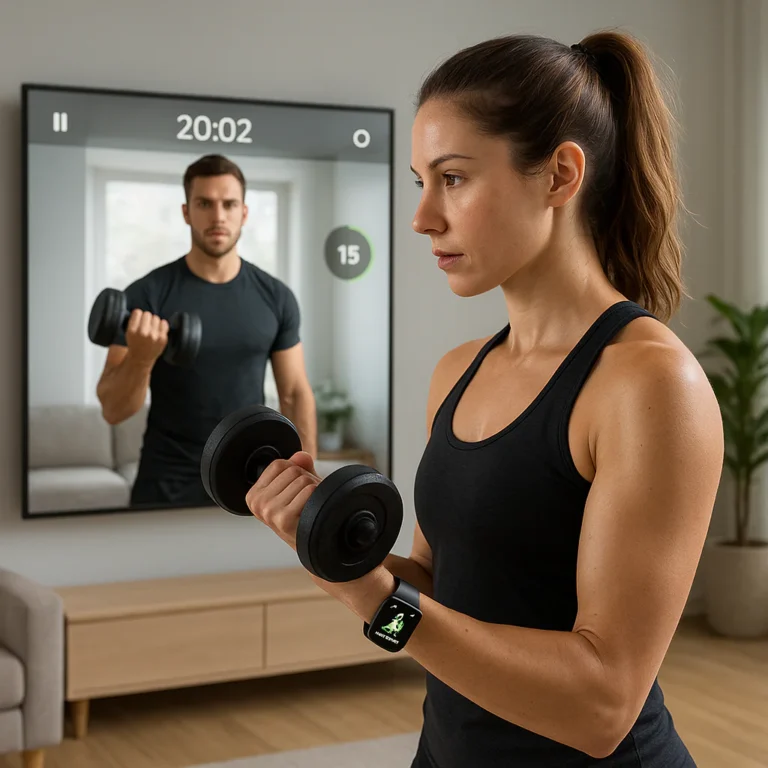
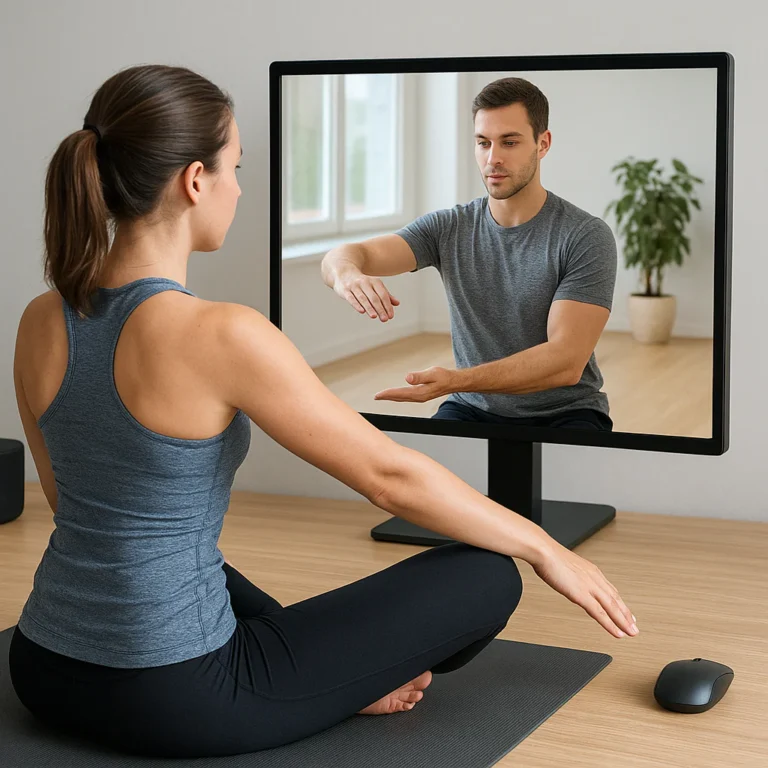
Remember the last time you tried to follow a generic workout video, only to realize your form was a disaster halfway through? You weren’t alone. In fact, a study by the Journal of Medical Internet Research found that while virtual training is incredibly effective, adherence and form correction are the two biggest hurdles for beginners. But here’s the secret: the right virtual personal trainer doesn’t just send you a PDF; they become your digital spoter, your cheerleader, and your strategist, all from the comfort of your living room.
We’ve scoured the industry, tested the top platforms, and interviewed dozens of certified pros to bring you the ultimate guide on How to choose the best virtual personal trainer for me. Whether you need a drill sergeant to push your limits or a gentle guide to help you recover from injury, this article breaks down exactly what to look for, from verifying credentials to mastering the tech stack. We’ll even reveal the Top 10 Platforms of 2026 and share a real-life story of how a simple Zoom call transformed a sedentary lifestyle into a strength-building powerhouse.
Ready to stop guessing and start getting results? Let’s dive in.
⚡️ Key Takeaways
- Credentials are Non-Negotiable: Always verify that your potential trainer holds accredited certifications (like NASM, ACE, or ACSM) and specializes in your specific goals.
- Tech & Communication Matter: The best virtual experience relies on a stable connection, clear video, and a communication style that matches your personality (e.g., high-energy vs. calm guidance).
- Customization is Key: Avoid generic plans; a great trainer will assess your home equipment, space, and limitations before writing a single rep.
- Virtual vs. In-Person: While virtual training lacks physical touch, it offers superior flexibility, cost-efficiency, and global access top-tier experts.
- Preparation Wins: Success depends on your setup—ensure proper lighting, camera angles, and a clutter-free space before your first session.
Table of Contents
- ⚡️ Quick Tips and Facts
- 📜 The Evolution of Fitness: From Gym Floor to Living Room
- 🤔 Why Go Virtual? The Pros and Cons of Online Personal Training
- 🧭 How to Choose the Best Virtual Personal Trainer for Your Goals
- 1. Define Your Specific Fitness Goals and Lifestyle Constraints
- 2. Verify Credentials, Certifications, and Specializations
- 3. Evaluate Communication Styles and Tech Platforms
- 4. Compare Pricing Models and Subscription Flexibility
- 5. Read Real Client Reviews and Case Studies
- 🛠️ Essential Tech Stack: Gear and Apps You Actually Need
- 📋 Virtual Training vs. In-Person: A Detailed Comparison
- 🚀 How to Prepare for Your First Virtual Personal Training Session
- 💪 What to Expect: A Day in the Life of a Virtual Trainee
- 🌍 How Social Distancing and Remote Work Shaped the Online Fitness Industry
- 🏆 Top 10 Platforms and Services for Virtual Personal Training in 2024
- ❓ Frequently Asked Questions About Hiring an Online Trainer
- 🔗 Recommended Links and Resources
- 📚 Reference Links and Studies
- 🏁 Conclusion: Is Virtual Training the Right Fit for You?
⚡️ Quick Tips and Facts
Before we dive into the deep end of the digital fitness pool, let’s hit the pause button on the overwhelm. Choosing a virtual personal trainer isn’t just about finding someone who looks good on a Zoom call; it’s about finding a partner who can read your body language through a pixelated screen.
Here are the non-negotiables you need to know right now:
- ✅ Credentials Matter: Never hire a “guru” without a recognized certification (like NASM, ACE, or ACSM). Learn more about personal trainer qualifications here.
- ✅ Tech Check: You need a stable internet connection and a device with a camera that allows your trainer to see your full body.
- ✅ Adaptability is Key: The best trainers can turn your laundry basket into a weight and your couch into a bench.
- ❌ One-Size-Fits-All is a Myth: If a trainer sends you a generic PDF without asking about your home setup, run.
- ✅ Communication Style: Do you need a drill sergeant or a gentle cheerleader? Match their vibe to your personality.
Did you know? According to a study published in the Journal of Medical Internet Research, virtual training can be just as effective as in-person training for strength and weight loss, provided the adherence and feedback loops are strong. Read the study here.
📜 The Evolution of Fitness: From Gym Floor to Living Room
Remember the days when “fitness” meant a membership card to a gym you never visited? Or the era where you had to drive across town, find parking, and wait for a machine? The landscape of personal training has shifted dramatically, moving from the brick-and-mortar model to the digital frontier.
The catalyst for this massive shift was undeniable: the global pandemic. Suddenly, gyms closed, and the living room became the new gym floor. But this wasn’t just a temporary fix; it was a revolution. As noted in our Fitness Industry News section, the industry realized that accessibility was the missing link for millions of people.
The Three Eras of Remote Training
- The Pre-Pandemic Experiment: Early attempts involved sending PDFs and emails. It was clunky, impersonal, and often led to injury due to poor form correction.
- The Zoom Boom: Real-time video calls became the standard. Trainers could shout “Keep your back straight!” in real-time. The social connection returned.
- The Hybrid Future: Today, we see a blend of live video, AI-driven form analysis, and asynchronous check-ins.
But here’s the kicker: Not all virtual training is created equal. There is a distinct difference between “online coaching” (asynchronous) and “virtual personal training” (synchronous).
Wait, what’s the difference? You might be thinking, “Isn’t it all just training on a screen?” Hold that thought. We’ll break down exactly why this distinction matters for your wallet and your results later in the article.
🤔 Why Go Virtual? The Pros and Cons of Online Personal Training
Why would you choose a screen over a sweaty, in-person high-five? Let’s weigh the scales.
The Pros: Freedom and Flexibility
- 🌍 Global Access: You aren’t limited to trainers within a 10-mile radius. You can train with a specialist in Tokyo while sitting in your living room in Ohio.
- 💰 Cost Efficiency: Without the overhead of renting studio space, virtual trainers often offer competitive rates.
- ⏰ Time Savings: No commute means more time for sleep, work, or actually doing the workout.
- 🏠 Comfort Zone: Working out in your own space can reduce anxiety for beginners who feel intimidated by the gym environment.
The Cons: The Hurdles
- 📡 Tech Glitches: A frozen screen during a heavy squat set is a recipe for disaster (or at least a very awkward pause).
- 👀 Limited Physical Touch: A trainer can’t physically adjust your hip alignment. They have to rely on visual cues and verbal cues.
- 🏋️ Equipment Limitations: You might not have the full rack of dumbells a commercial gym offers.
The Verdict? If you are self-motivated but need guidance, or if you have a busy schedule that makes gym trips impossible, virtual is a game-changer. However, if you need hands-on assistance for complex rehabilitation or have zero self-discipline, you might struggle.
🧭 How to Choose the Best Virtual Personal Trainer for Your Goals
So, you’re ready to take the plunge. But with thousands of trainers online, how do you find the right fit? It’s not about the follower count on Instagram; it’s about the methodology and the connection.
1. Define Your Specific Fitness Goals and Lifestyle Constraints
Before you even look at a profile, get honest with yourself.
- What is your primary goal? Is it weight loss, muscle gain, athletic performance, or stress relief?
- What is your schedule? Can you commit to live 60-minute sessions, or do you need a flexible, on-demand plan?
- What equipment do you have? Be realistic. If you only have a yoga mat, don’t hire a trainer who specializes in Olympic lifting unless they are willing to get creative.
Pro Tip: As Annie Padrid of The Space suggests, a great trainer will ask about your flooring type (hardwood vs. carpet) and available space before the first session. If they don’t ask, they aren’t listening.
2. Verify Credentials, Certifications, and Specializations
Don’t get fooled by the “Certified” stamp on a generic online course. Look for accredited certifications from organizations like:
- NASM (National Academy of Sports Medicine)
- ACE (American Council on Exercise)
- ACSM (American College of Sports Medicine)
- ISSA (International Sports Sciences Association)
Check if they have specializations relevant to you. Do you have a bad knee? Look for a trainer with a Corrective Exercise specialization. Are you a new mom? Look for Postnatal expertise.
3. Evaluate Communication Styles and Tech Platforms
This is where the magic happens.
- Platform: Do they use Zoom, FaceTime, or a proprietary app?
- Feedback Loop: How do they correct you? Do they use verbal cues, or do they have a system for video analysis?
- Responsiveness: How quickly do they reply to messages? A virtual trainer is your accountability partner; if they ghost you for 3 days, the program fails.
4. Compare Pricing Models and Subscription Flexibility
Virtual training pricing varies wildly.
- Pay-Per-Session: Good for trying out a trainer.
- Monthly Retainer: Usually includes unlimited check-ins and a custom plan.
- Package Deals: Often offer a discount for buying 10 or 20 sessions upfront.
Transparency is key. As one trainer noted, “If you are 1-on-1 with someone, you don’t have to balance to make the exercises all the same.” Be upfront about your budget. Many trainers are willing to adjust packages to fit your financial reality.
5. Read Real Client Reviews and Case Studies
Don’t just look at the 5-star testimonials on their homepage. Look for detailed reviews that mention:
- Did the trainer show up on time?
- Did the workouts actually get harder over time?
- Did the trainer care about your form?
🛠️ Essential Tech Stack: Gear and Apps You Actually Need
You don’t need a $2,0 Peloton to start. You need the basics. Here is the minimum viable tech stack for a successful virtual training experience.
The Hardware
| Item | Why You Need It | Recommended Specs |
|---|---|---|
| Camera | To show full-body form | Smartphone or Tablet with HD front-facing camera |
| Stable Internet | To prevent lag during live sessions | Minimum 5 Mbps upload/download speed |
| Lighting | To ensure the trainer can see you | Natural light or a ring light facing you |
| Audio | To hear cues clearly | Bluetooth headphones or a quiet room |
The Software
- Zoom / Google Meet: The industry standard for live sessions.
- Trainerize: A popular app for program delivery and check-ins.
- MyFitnessPal: For tracking nutrition if your trainer requires it.
Wait, do I need fancy equipment? Not at all! As mentioned in our Fitness App Reviews, many trainers specialize in bodyweight training or minimal equipment.
Recommended Gear for Home Workouts
If you decide to invest in a few pieces of gear to expand your options:
- Resistance Bands: Essential for adding load without bulk.
👉 Shop Resistance Bands on: Amazon | Walmart | Tribe Official - Adjustable Dumbells: The ultimate space-saver.
👉 Shop Dumbells on: Amazon | Walmart | Bowflex Official - Yoga Mat: For cushioning and grip.
👉 Shop Yoga Mats on: Amazon | Lulemon Official
📋 Virtual Training vs. In-Person: A Detailed Comparison
Let’s settle the debate once and for all. Is virtual training the real deal?
| Feature | Virtual Personal Training | In-Person Personal Training |
|---|---|---|
| Form Correction | Visual and verbal cues only | Physical adjustments and tactile feedback |
| Convenience | High (train from anywhere) | Low (requires travel) |
| Cost | Generally Lower | Generally Higher (includes facility fees) |
| Equipment Access | Limited to home setup | Full gym equipment available |
| Motivation | Self-driven + remote accountability | High energy, physical presence |
| Social Aspect | Can feel isolated (unless group) | Built-in community and camaraderie |
The “First Video” Perspective:
In the video referenced earlier, the presenter makes a crucial distinction: “The more you pay, the more you get with in-person and virtual training.” They argue that if you need high-level accountability and form work, virtual training is the sweet spot. It bridges the gap between the low engagement of a generic app and the high cost of in-person sessions.
But what if you have a specific injury? This is where the debate gets tricky. While virtual trainers can modify exercises, they cannot physically manipulate your body. If you have a complex orthopedic issue, you might need a hybrid approach: in-person for assessment, virtual for maintenance.
🚀 How to Prepare for Your First Virtual Personal Training Session
You’ve hired the trainer. Now what? Don’t just show up in sweatpants and hope for the best. Preparation is 50% of the battle.
Step 1: The Tech Check
30 minutes before the session:
- Test your camera angle. Can the trainer see your feet and head?
- Check your microphone. Can they hear you breathing?
- Close other browser tabs to save bandwidth.
Step 2: The Environment Setup
- Clear the clutter: Move the coffee table, the dog, and the laundry pile.
- Lighting: Ensure your face is well-lit. Avoid backlighting (sitting with a window behind you).
- Equipment: Have your water, towel, and weights ready before the call starts.
Step 3: The Mindset
- Be honest: If you can’t do an exercise, say so.
- Ask questions: “Is my knee tracking over my toe?” “Am I engaging my core?”
- Dress the part: Wear workout clothes. It psychologically primes you for action.
💪 What to Expect: A Day in the Life of a Virtual Trainee
So, what does a typical week look like? Let’s walk through a fictional but realistic scenario with “Alex,” a busy professional.
- Monday (Live Session): Alex logs into Zoom at 6:0 AM. The trainer, Sarah, grets them by name. They spend 10 minutes on a dynamic warm-up, followed by 40 minutes of strength training. Sarah spots a form error on the squat and corrects it immediately.
- Tuesday (Check-in): Alex sends a 15-second video of their form for a specific exercise. Sarah replies with a voice note and a GIF showing the correction.
- Wednesday (Rest/Active Recovery): Alex follows a 20-minute yoga video sent by Sarah.
- Thursday (Live Session): Focus on mobility and core.
- Friday (Check-in): Alex logs their meals in the app. Sarah adjusts the calorie targets for the weekend.
- Weekend: Alex has a “free” workout day but is encouraged to go for a hike.
The Result? Alex feels supported, accountable, and sees progress without ever leaving their neighborhood.
🌍 How Social Distancing and Remote Work Shaped the Online Fitness Industry
The pandemic didn’t just change how we train; it changed who we are as a fitness community. The shift to remote work meant that the “lunch break gym run” was dead. In its place rose the home gym economy.
Trainers had to adapt or die. Those who embraced technology, learned to use Zoom effectively, and built strong digital communities thrived. As one industry observer noted, “Losing it isn’t an option for me and it never will be. It gives me life every day.”
This era proved that connection is more important than proximity. You don’t need to be in the same room to be motivated by someone else’s energy.
🏆 Top 10 Platforms and Services for Virtual Personal Training in 2024
Ready to find your match? Here are 10 top-tier options, ranging from app-based marketplaces to boutique coaching services.
- Helf: An app that connects you with veted trainers for both in-person and virtual sessions. Great for background checks and flexible scheduling.
Best For: Users who want a “Uber-like” experience for fitness.
Shop/Download: Helf on Apple App Store - RightFit Personal Training: Uses a matching system based on goals, personality, and lifestyle.
Best For: People who want a highly personalized match.
Visit: RightFit Personal Training - Future: A premium app that pairs you with a dedicated coach for 1-on-1 messaging and custom plans.
Best For: Tech-savy users who want constant communication.
Visit: Future Official - Trainerize: A platform used by thousands of independent trainers to manage clients.
Best For: Finding a specific independent trainer you already know.
Visit: Trainerize Official - The Space: Known for its adaptability and focus on home environments.
Best For: Those with limited equipment or space.
Visit: The Space Official - Tonal: A smart home gym with built-in virtual coaching.
Best For: Those willing to invest in hardware for a high-tech experience.
Shop: Tonal on Amazon | Tonal Official - Apple Fitness+: While not 1-on-1, it offers high-quality guided workouts with trainers.
Best For: Apple users looking for a group class feel.
Visit: Apple Fitness+ - Peloton Digital: Access to live and on-demand classes with world-class instructors.
Best For: Group motivation and variety.
Visit: Peloton Official - ClassPass: Offers access to virtual classes from various studios and trainers.
Best For: Trying different styles and trainers.
Visit: ClassPass Official - Local Independent Trainers: Don’t forget to DM your favorite local trainer! Many have moved their business online.
Best For: Supporting local and maintaining existing relationships.
Curious about the cost? Prices vary wildly. Some apps charge a flat monthly fee, while independent trainers charge per session. We’ll dive deeper into the numbers in the FAQ section.
❓ Frequently Asked Questions About Hiring an Online Trainer
What qualifications should I look for in a virtual personal trainer?
You should look for certifications from accredited bodies like NASM, ACE, or ACSM. Additionally, check for specializations relevant to your goals (e.g., Corrective Exercise, Nutrition, Pre/Postnatal). A good trainer will also have a portfolio of client success stories.
How much does hiring an online personal trainer typically cost?
Costs vary based on the level of service.
- App-based coaching: $10 – $30/month.
- 1-on-1 Virtual Sessions: $50 – $150 per hour.
- Hybrid models: $150 – $40/month for a mix of live sessions and app support.
- Note: Always ask about package discounts!
What equipment do I need to start training with a virtual coach?
Most trainers can design a program with zero equipment. However, having a set of resistance bands, a yoga mat, and a pair of dumbells (adjustable if possible) will significantly expand your options.
Can a virtual personal trainer create a customized nutrition plan?
Yes, many virtual trainers are certified in nutrition or work with registered dietitians. However, ensure they are qualified to give dietary advice. Some may only provide general guidance, while others create full meal plans.
How often should I check in with my online trainer?
This depends on your plan.
- High Accountability: Daily check-ins via app or text.
- Standard: Weekly live sessions + mid-week check-ins.
- Self-Guided: Bi-weekly or monthly plan updates.
What are the best apps for connecting with remote fitness coaches?
Top contenders include Helf, Future, Trainerize, and ClassPass. Each has its own strengths: Helf for veting, Future for communication, and Trainerize for flexibility with independent trainers.
How do I know if a virtual trainer is right for my specific fitness goals?
Ask them directly! “How have you helped clients with [your specific goal]?” Look for case studies or testimonials that mirror your situation. If they hesitate or give a generic answer, keep looking.
🏁 Conclusion: Is Virtual Training the Right Fit for You?

So, we’ve come full circle. You started with a question: “How do I choose the best virtual personal trainer for me?” and now you have the roadmap.
The answer isn’t a single name or a specific app. It’s about alignment.
- If you need hands-on correction and have complex injuries, you might need a hybrid approach.
- If you need accountability, flexibility, and cost-effectiveness, virtual training is your golden ticket.
- If you thrive on community, look for group virtual classes or platforms that foster connection.
The Verdict: Virtual personal training is no longer a “Plan B.” It is a Plan A for millions of people worldwide. The technology has matured, the trainers have adapted, and the results are undeniable.
But here’s the final question: Are you ready to commit? Because the best trainer in the world can’t do the work for you. You have to show up, log in, and do the reps.
If you’re ready to take that step, start by defining your goals, checking your tech, and reaching out to a few trainers. The perfect match is out there, waiting for you to hit “Join Meeting.”
🔗 Recommended Links and Resources
Ready to get started? Here are the top picks for gear and services mentioned in this article.
Top Virtual Training Platforms
- Helf: Download on Apple App Store
- RightFit Personal Training: Find a Match
- Future: Start Your Journey
- Trainerize: Find a Trainer
Essential Home Gym Gear
- Resistance Bands: Shop on Amazon | Shop on Walmart
- Adjustable Dumbells: Shop on Amazon | Shop on Walmart
- Yoga Mat: Shop on Amazon | Shop on Lulemon
Recommended Books
- The New Rules of Lifting by Lou Schuler and Alwyn Cosgrove: Buy on Amazon
- Bigger Leaner Stronger by Michael Matthews: Buy on Amazon
📚 Reference Links and Studies
- Journal of Medical Internet Research: “Effectiveness of Virtual Personal Training on Physical Activity and Health Outcomes.” Read Study
- American Council on Exercise (ACE): “Certification and Specializations.” Visit ACE
- National Academy of Sports Medicine (NASM): “Certified Personal Trainer Program.” Visit NASM
- RightFit Personal Training: “Find a Nearby In-Home Personal Trainer.” Visit RightFit
- aSweatLife: “Virtual Personal Training: How to Choose the Best Virtual Personal Trainer.” Read Article
- Helf App: “Find a Personal Trainer.” Visit Helf